
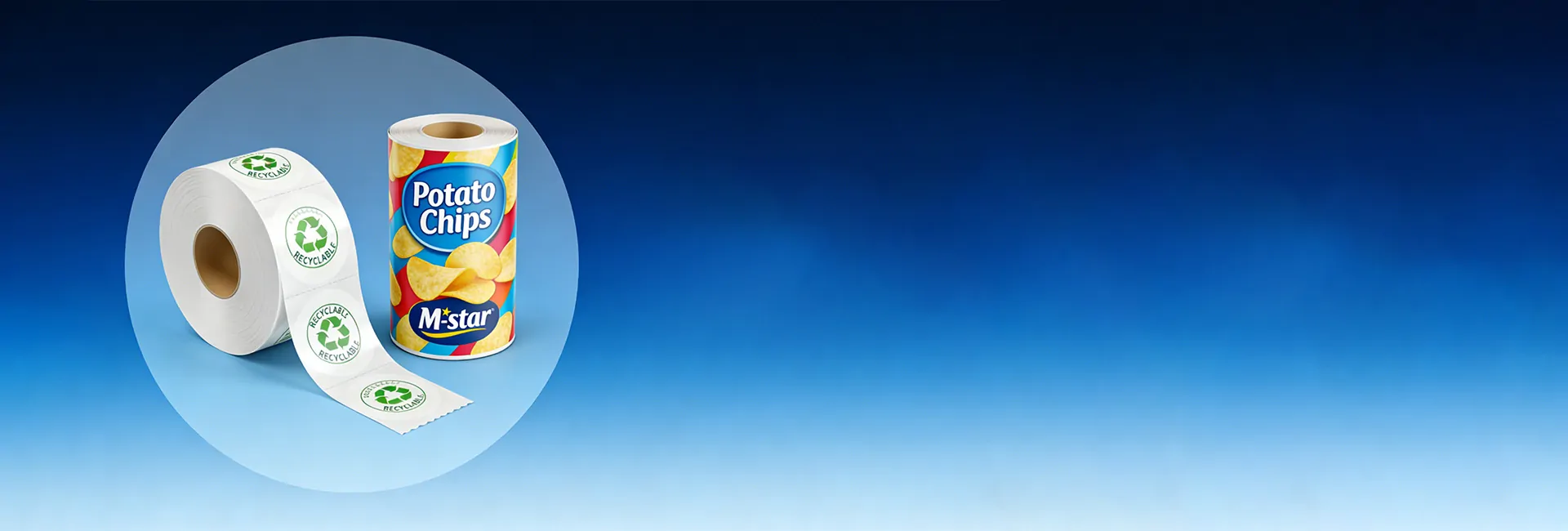
We offer our customers a comprehensive range of materials and film structures to meet diverse packaging needs, including:
- Print Substrates: PET, Metalized PET, PE, and BOPP
- Available Finishes:
Rollstock will be produced in 10 business days, once your artwork has been approved.
In a market where products vie for consumer attention, packaging is more than just a protective layer; it's the first dialogue between your brand and your customers. At M-star Packaging, our custom packaging service goes beyond simply creating containers; it transforms the essence of your brand into a tangible and unforgettable experience. What makes us unique? Our unparalleled customization flexibility and professional design capabilities bring even the boldest ideas to life. We utilize leading inkjet printing systems that support accurate color reproduction from Pantone spot colors to complex gradients. Whether it's a limited edition series or a regionally customized version, we can ensure color consistency across every batch. Thanks to our intelligent pre-processing workflow, even small-batch printing achieves a level of detail and visual impact comparable to traditional processes.
Pharmaceutical packaging is not merely a protective shell for drugs; it is a crucial element in ensuring drug quality, safety, and efficacy. With increasingly stringent global pharmaceutical regulations and greater market internationalization, packaging materials and designs must not only comply wit
The choice of printing method for packaging bags directly impacts mass production stability, cost structure, and market risk. This article, starting from actual procurement and production decisions, systematically analyzes the fundamental differences in application logic between gravure, flexographic, and digital printing, focusing on comparing the performance of different printing methods in terms of minimum order quantity, stability, design flexibility, and applicable stages. Furthermore, based on real-world application scenarios, it proposes printing strategy recommendations for new product testing, cost control, and large-scale production, helping brands and buyers make more rational choices regarding printing methods at different product stages.


