| Quantity: | |
|---|---|
A coffee bag valve is an essential one-way degassing system integrated directly into the packaging material. Its primary function is to allow naturally occurring carbon dioxide to escape from freshly roasted beans while strictly preventing ambient oxygen from entering the bag. When you hold a properly valved pouch, the exterior remains sleek, firm, and structurally sound, completely free from the ballooning effect caused by trapped internal gases.
This helps:
Prevent package swelling or bursting during transit, warehousing, and retail display, ensuring a pristine presentation.
Maintain internal pressure balance to protect the structural integrity of the pouch and its delicate seals.
Protect coffee from oxidation, a chemical reaction that rapidly degrades the delicate, complex flavor profiles of the roast.
Preserve aroma and flavor over time, ensuring the end consumer experiences the rich, earthy, freshly roasted scent immediately upon breaking the seal.
Beyond the critical degassing valve, these bags can be configured with an array of functional additions. Options include hidden pocket zippers for clean aesthetics, precise easy-tear notches for effortless opening, transparent display windows for product visibility, and secure tin tie closures. These carefully engineered features significantly elevate the daily user experience, providing reliable resealability that locks in the volatile aromatics long after the initial opening.
Immediately after the roasting process, coffee beans undergo a critical degassing phase, releasing significant volumes of CO₂ gas over several days or even weeks. The internal mechanics of the valve respond dynamically to this changing environment. The valve opens automatically when the internal pressure increases beyond a specific threshold, allowing the trapped gas to escape smoothly and silently. When the internal pressure drops and equalizes with the exterior, the precision-engineered rubber membrane within the valve closes tightly to prevent outside air from entering. This continuous, responsive operation ensures the beans remain in an optimal resting state without exposure to staling elements.
The one-way valve works in perfect synergy with high-barrier packaging films. By combining the valve's active degassing capability with moisture-proof, oxygen-blocking, and UV-resistant layered materials, the packaging creates an impenetrable environmental shield. This comprehensive barrier strategy maximizes the shelf life of the product, maintaining the crisp physical texture and the intricate flavor notes of the beans from the roastery floor all the way to the final cup.
Choosing the right packaging architecture is a critical decision for preserving product integrity and minimizing inventory loss. Standard packaging without a degassing mechanism forces roasters to wait days before sealing their product, losing precious volatile aromatics into the facility's air. In contrast, a coffee bag with a valve allows for immediate packaging right out of the cooling tray. The physical difference is tangible: a valved bag feels tightly packed and retains a concentrated burst of aroma, while a standard bag risks either trapping destructive gases or allowing staling oxygen to permeate the barrier.
| Feature | Valve Coffee Bag | Standard Bag |
|---|---|---|
| Gas Release | Yes | No |
| Oxygen Protection | High | Medium |
| Shelf Life | Longer | Shorter |
| Risk of Swelling | Low | High |
As illustrated in the technical comparison above, the inclusion of a degassing valve fundamentally shifts the performance metrics of the packaging. By mitigating the risk of swelling and offering superior oxygen protection, valved solutions provide a significantly longer and more stable shelf life. This translates directly to reduced product waste, streamlined inventory management, and a consistently superior sensory experience for the buyer.
The application of valved packaging extends across various segments of the specialized food and beverage industry. It serves as the definitive standard for preserving products that actively emit gases while remaining highly sensitive to environmental exposure.
This packaging is essential for:
Freshly roasted coffee beans that require immediate sealing to capture and lock in peak flavor profiles before they dissipate.
Specialty coffee brands aiming to deliver an uncompromised, premium tasting and tactile experience to discerning buyers.
Products requiring longer shelf life across extended supply chains, warehouse storage, and complex international transit routes.
Export or retail distribution where fluctuating atmospheric pressures and varying temperatures demand robust, adaptive packaging stability.
Beyond retail-ready roasted beans, this packaging technology is widely applied in long-term green bean storage, ensuring raw agricultural materials remain pristine and moisture-controlled before roasting. It is also an excellent choice for other specialized dry foods, fermented goods, or pet nutritional products that require strict moisture control and active gas management, providing a highly versatile solution for diverse commercial packaging requirements.
While the degassing valve is a revolutionary component for fresh roasts, certain product categories do not benefit from this specific feature. Understanding the chemical behavior and life cycle of your product is key to optimizing packaging structures and avoiding unnecessary material investments.
Valve packaging may not be required for:
Instant coffee products, which have already undergone extensive processing, extraction, and dehydration, leaving absolutely no residual gases to emit.
Short-term consumption items packaged for immediate local use, where the product will be consumed well before oxidation or gas buildup becomes a noticeable issue.
Pre-degassed coffee that has been intentionally left to rest in open silos for extended periods, though it should be noted this traditional method sacrifices significant aromatic intensity.
For these specific applications, utilizing high-barrier flat pouches or standard airtight bags without a valve provides more than sufficient protection. Eliminating the valve in these scenarios streamlines the manufacturing process and maintains a sleek, uninterrupted package surface while still delivering exceptional moisture and oxygen defense for stable, non-emitting contents.
Aligning with modern environmental standards, these bags are available in a diverse array of premium materials. Options range from classic natural Kraft paper and ultra-protective aluminum foil to advanced high-barrier polymer films. For brands committed to sustainable practices, post-consumer recycled (PCR) materials and fully compostable structures are available, delivering exceptional protective performance without compromising ecological responsibility.
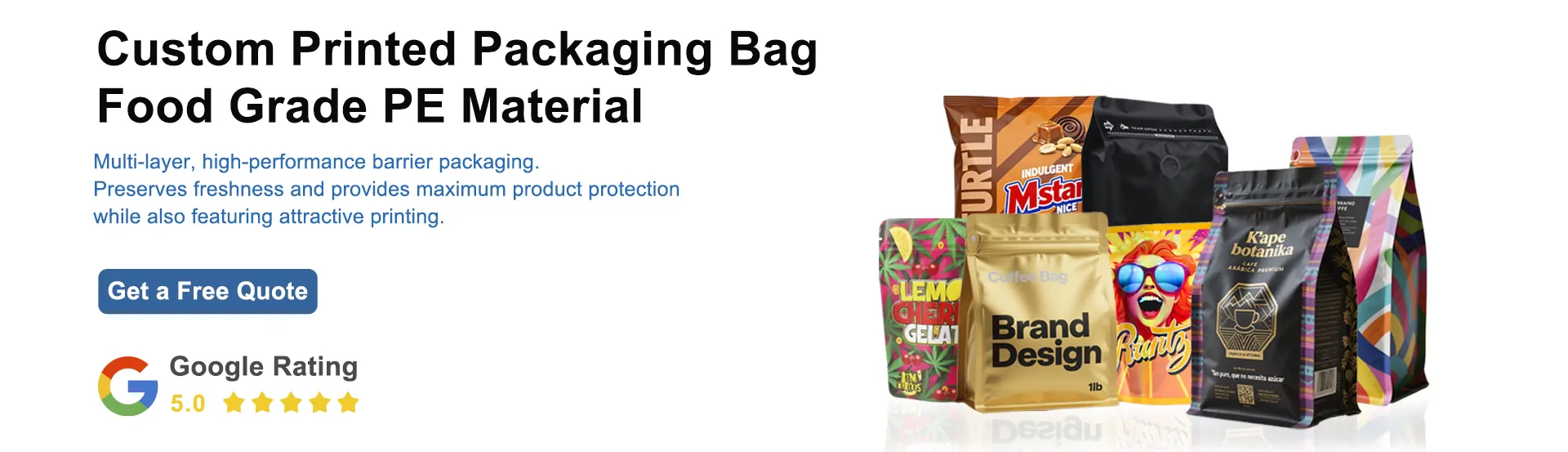
To maximize shelf impact and accommodate various automated filling lines, the packaging comes in multiple structural formats. The block bottom (flat bottom) design offers superior upright stability and a premium billboard effect for branding. Stand-up pouches provide a versatile, space-efficient solution for retail shelves, while traditional side gusseted bags remain a staple for high-volume, efficient stacking and secure wholesale storage.
Precision sizing ensures an exact fit for any operational requirement, with capacities ranging from compact 4oz retail samplers to substantial 2.2lb bags, and even larger multi-kilogram formats for bulk green bean storage. To elevate brand presentation, advanced customization is available through digital, flexographic, and rotogravure printing techniques. Coupled with custom hot stamping, matte finishes, and spot UV detailing, the packaging provides a 360-degree visual canvas that captures consumer attention and communicates uncompromising product excellence.