


Author: Site Editor Publish Time: 04-11-2026 Origin: Site


You spend months perfecting a complex roast profile. You meticulously source green beans. You dial in the charge temperature and carefully monitor the crack. Sadly, ambient air can undo all that artisanal effort in mere days. Oxygen is the ultimate enemy of specialty coffee. It forces vibrant, freshly roasted beans to go stale long before the customer even opens the bag.
To combat this rapid degradation, commercial packaging engineers rely heavily on modified atmosphere technologies. By displacing ambient air with inert gas, roasters can fundamentally alter the aging timeline of their products. But does every single coffee business need to invest in this specialized equipment? In this technical guide, we will break down the mechanics behind this preservation method. We will help you determine if it is a necessary structural upgrade for your specific production line.
Key Takeaways
Active gas displacement is a specialized mechanical process. It forces residual ambient air out of a container to drastically slow down oxidation and lock in Roast Freshness.
Implementing this technique effectively extends the commercial viability of whole bean and pre-ground coffee from a few weeks to several months.
The flushing process only works when paired with a highly engineered, multi-layered laminate and a functional one-way vent.
Your distribution timeline dictates your packaging needs. Local direct-to-consumer roasters may bypass this step, while wholesale and retail supermarket brands absolutely require it.
Choosing the right manufacturing partner ensures your pouches feature the structural integrity needed to hold inert gas without leaking during transit.
From an engineering standpoint, Nitrogen Flushing is an industry-standard packaging process designed to modify the internal atmosphere of a product container. This technique falls under the broader category of Modified Atmosphere Packaging. It involves mechanically pushing ambient oxygen out of the pouch. Immediately after, automated nozzles replace that void with food-grade gas just milliseconds before the thermal jaws clamp down to create a hermetic seal.
Furthermore, many plant managers wonder why nitrogen is the element of choice. Nitrogen is an inert, odorless, colorless, and completely food-safe gas. It naturally makes up approximately seventy-eight percent of the air we breathe every single day.
Because it is chemically inactive, it simply will not react with natural lipids. Your delicate cellular bean structures remain intact. Nitrogen never alters the flavor, aroma, or mouthfeel of a carefully crafted roast. Instead, it acts as a dense protective cushion. By filling the empty headspace in the flexible pouch, it leaves absolutely no room for destructive oxygen molecules to exist inside the sealed environment.
To truly grasp why atmospheric control holds immense commercial value, one must first understand the destructive mechanics of oxygen. As soon as a fresh batch of coffee cascades into the cooling tray of your roaster, it begins to degrade. This relentless chemical breakdown is known as oxidation.
Roasted coffee beans are incredibly complex organic structures. They contain over a thousand different volatile aromatic compounds. These delicate compounds directly produce the nuanced flavor notes that specialty coffee consumers eagerly pay a premium for. When exposed to oxygen, the chemical bonds of these aromatics begin to fracture. Oxidation accelerates this degradation. The coffee loses its vibrant characteristics and slowly becomes indistinguishable from lower-grade commercial commodities.
Beyond fleeting volatile aromatics, roasted coffee contains a significant volume of natural lipids. These oils carry the vast majority of the coffee flavor weight and tactile mouthfeel. When oxygen interacts with these lipids over an extended period, it triggers lipid oxidation. This reaction is more commonly known as rancidity. It results in a bitter, flat, and distinctly stale cup profile. Specifically, ground coffee degrades exponentially faster than whole bean coffee because the mechanical grinding process drastically multiplies the surface area exposed to ambient air.
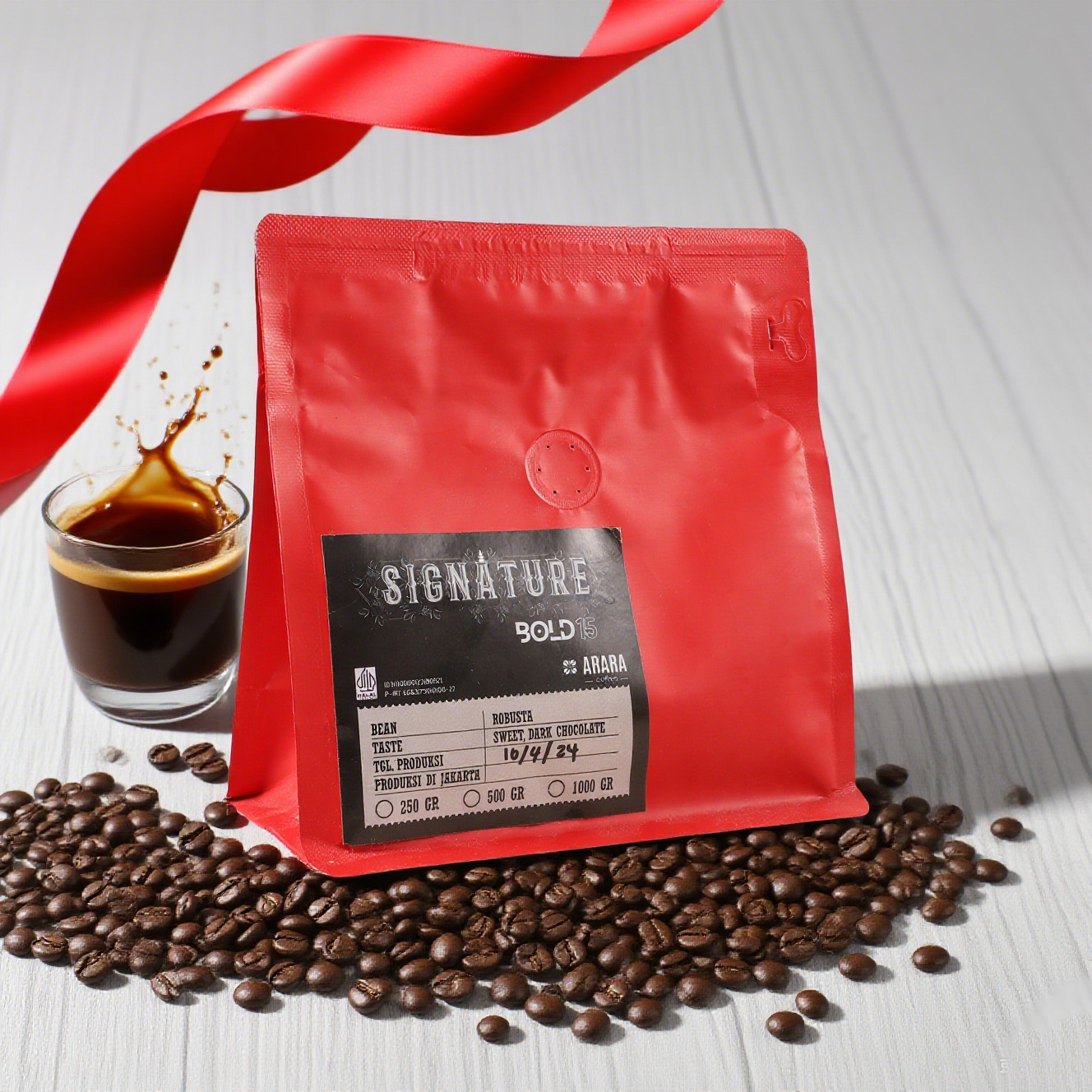
Recent market analysis reveals a significant shift toward premiumization across the global coffee sector. Consumers have grown accustomed to brewing high-tier specialty coffee at home. They now demand cafe-level quality directly from grocery store shelves. Consequently, the industry is witnessing a massive surge in the adoption of modified atmosphere technologies among mid-sized and independent roasters. These brands previously relied solely on natural off-gassing.
In addition, supply chains are becoming increasingly complex. Regional distribution networks lengthen the time between roasting and brewing. Erratic climate variations during freight transit place immense stress on packaging integrity. In response, wholesale buyers and major supermarket chains are implementing stricter shelf-life compliance standards. For modern roasters looking to scale beyond their local neighborhood, atmospheric control is rapidly transitioning from a luxury operational upgrade to a non-negotiable commercial standard.
The primary engineering objective of modifying the internal atmosphere is to maximize longevity. This must be achieved without ever relying on artificial chemical preservatives. By taking control of the micro-environment inside the pouch, roasters can dictate exactly how long their product remains at peak quality.
Even when placed in premium sealed bags, freshly roasted coffee traps a certain volume of ambient air inside the headspace during the filling process. Because this trapped air contains twenty-one percent oxygen, the staling clock starts ticking immediately. Freshly roasted whole bean coffee stored in untreated bags typically begins to lose its peak vibrancy within two to four weeks. For pre-ground retail formats, this timeline collapses to mere days.
Introducing inert gas fundamentally alters this degradation timeline. By aggressively reducing the residual oxygen levels inside the bag to below two percent, the oxidation process practically halts. When properly executed on the production line, treated bags can extend Shelf Life for unopened whole bean coffee to an impressive six to twelve months. Pre-ground retail coffee can be stabilized for up to six months. This massive operational extension allows roasters to confidently ship products across the country or export overseas.
It is crucial to understand that this preservation technique only protects the coffee while the factory seal remains unbroken. Once the customer tears open the zipper pouch in their kitchen, the inert gas instantly escapes. Ambient air rushes in to replace it. From that exact moment forward, the standard aging process resumes.
A frequent misconception among emerging coffee roasters is confusing the mechanical purpose of a venting valve with active gas displacement. Many assume that a small plastic valve automatically pushes bad air out. This is scientifically inaccurate. They are two entirely distinct mechanisms that serve different purposes. Yet, they must work in harmony for optimal preservation.
During the intense heat of the roasting process, complex carbohydrates inside the coffee bean break down. This generates substantial volumes of carbon dioxide. For days after roasting, the beans continuously release this trapped gas into the surrounding environment. If you seal freshly roasted coffee in a completely airtight container without a vent, the accumulating pressure will cause the package to inflate and eventually rupture the seams.
A precision Degassing Valve is a one-way mechanical vent. It allows this internal pressure to escape safely. Simultaneously, its internal rubber diaphragm prevents outside air from sneaking back into the bag. While the vent handles the internal problem of carbon dioxide buildup, it does absolutely nothing to solve the ambient oxygen problem. You need both technologies to achieve commercial stability. Gas displacement handles the ambient oxygen trapped during the sealing phase, while the vent manages the carbon dioxide released over subsequent weeks.
Investing in gas generators and specialized sealing machinery is a significant capital commitment. However, this entire process is rendered completely useless if your packaging material is inherently porous.
If the structural films used to manufacture your bags allow microscopic gas molecules to pass through the substrate, the inert atmosphere will slowly leak out. Worse, ambient oxygen will seep back in. When designing your packaging strategy, you must carefully evaluate the Oxygen Transmission Rate of the materials. The lower the transmission number, the better the protective barrier.
Premium flexible packaging utilizes multi-layered laminated structures to achieve near-zero transmission rates. For instance, high-performance stand-up zipper pouches often integrate a robust Oxygen Barrier. Manufacturers construct these bags using layers like polyethylene terephthalate laminated with heavy-duty aluminum foil and food-grade polyethylene. Alternatively, brands seeking a matte finish utilize biaxially oriented polypropylene combined with metalized polyester films. The thickness and structural integrity of these specific films dictate how well the internal atmosphere is maintained throughout rough transit.
To better illustrate the structural and commercial differences, review the technical comparison below. This matrix highlights why upgrading your packaging architecture yields tangible supply chain benefits.
Packaging Feature | Standard Bag with Valve Only | Nitrogen Flushed + Valve + High Barrier Film |
|---|---|---|
Residual Oxygen Level | Approx. 21 percent (Ambient) | Below 2 to 3 percent |
Whole Bean Shelf Life | 2 to 4 weeks | 6 to 12 months |
Ground Coffee Stability | 3 to 7 days | Up to 6 months |
Material Structure | Basic Kraft or single-layer plastic | Multi-layer laminate (Aluminum Foil / Metalized PET) |
Best Use Case | Local cafe retail, rapid direct-to-consumer | Supermarket retail, wholesale, international export |
This brings us to the most critical question for a plant manager. Upgrading your production line requires specialized equipment and higher capital expenditures. Is it truly necessary for your specific operational model? The answer lies entirely in your distribution timeline and product format.
If your business model guarantees that the coffee will be consumed rapidly after roasting, investing in complex gas systems is an unnecessary overhead expense. Local cafes roasting in-house and selling directly to foot traffic can rely on standard containment. Similarly, agile direct-to-consumer models that roast to order and ship immediately do not require atmospheric modification. The beans will be enjoyed during their natural peak window.
Conversely, if you lose direct control over the timeline between roasting and brewing, atmospheric modification becomes a mandatory requirement. If your products sit in regional distribution centers, travel on hot freight trucks, and languish on supermarket shelves, gas displacement is non-negotiable. Without it, retail customers will inevitably purchase stale coffee. Furthermore, any pre-ground retail lines must be treated to maintain baseline commercial viability due to their massive surface area exposure.
Absolutely. Nitrogen is an inert, non-toxic, colorless, and odorless gas that naturally constitutes the majority of the Earth atmosphere. Within food preservation applications, pure food-grade gas acts strictly as a non-reactive physical barrier. It displaces ambient atmospheric oxygen without interacting chemically with the natural acids, carbohydrates, or volatile aromatic esters of the coffee. Because it forms no chemical compounds with the beans, it leaves the cup profile, extraction dynamics, and personal safety completely unaltered.
No, it does not. Gas displacement and one-way valves perform distinctly different, yet complementary preservation roles. Flushing evacuates the ambient oxygen present inside the headspace at the exact moment of sealing. Conversely, the one-way valve manages post-packaging carbon dioxide generation. Without a functional vent to release accumulating internal pressure, the package will expand and risk rupturing its seams.
In commercial packaging engineering, the industry standard target for residual oxygen in specialty coffee is below three percent. High-end automated packing lines equipped with advanced gas injection systems often push this number down to one percent. Maintaining these ultra-low levels requires precise machinery calibration and the use of premium multi-layer barrier films to prevent subsequent oxygen ingress during transit.
Quality control engineers utilize submerged water leak detectors and headspace gas analyzers. A headspace analyzer uses a small needle to pierce the sealed bag through an airtight septum sticker. It then draws a gas sample to measure the exact oxygen percentage inside. Additionally, submerging the sealed pouch in a vacuum water chamber will immediately reveal microscopic seal leaks or defective one-way valves through escaping bubble trails.
Yes, provided the compostable substrate utilizes an engineered, high-performance barrier layer. Historically, early compostable films suffered from high porosity. They yielded unacceptably elevated Oxygen Transmission Rates that allowed gas to escape rapidly. However, modern sustainable packaging utilizes advanced bio-based barrier technologies, including metallized paper structures and certified polylactic acid blended polymers. Always request third-party laboratory documentation verifying transmission ratings before running active gas protocols on eco-friendly materials.
Not every specialty coffee roaster requires active gas displacement for their everyday operations. Hyper-local retail channels and fast-moving e-commerce subscriptions can thrive using standard venting valves and high-quality protective films. However, as your brand scales, the variables multiply. Extended wholesale contracts, grocery store placements, and export logistics demand modified atmosphere packaging to safeguard your hard-earned flavor profiles.
Investing in the right combination of barrier materials, venting technology, and atmospheric control is the ultimate insurance policy for your brand reputation. If you are ready to transition your production line to commercial-grade stability, you need packaging engineered to perform. Explore high-barrier, valve-equipped solutions designed specifically for gas displacement protocols. Visit Mstar Packaging to find the exact structural pouches required to lock in freshness and dominate the retail shelf.


