Author: Site Editor Publish Time: 11-06-2026 Origin: Site
Shipping damage is not an inevitable cost of doing business. You might assume broken items are just part of logistics. However, they represent a measurable leak in your profit margins. These losses stem from expensive reverse logistics, replacement inventory costs, and compromised customer trust.
Engineered Transport Packaging acts as your primary defense mechanism against kinetic and environmental stressors. It protects your products throughout modern supply chains. This protection starts at warehouse automation drops and extends to rough last-mile delivery handling.
This guide examines how you can audit delivery vulnerabilities within your daily operations. We will help you evaluate structural, material, and system-level packaging upgrades. Ultimately, you will learn how to achieve a net-positive ROI on loss prevention. By reading further, you will discover practical ways to transition from standard boxing to systematic load containment strategies.
Companies often underestimate the true cost of delivery damage. You might look solely at the invoice cost of a shattered mug or a dented electronic device. This view ignores the compounding losses pulling down your net revenue.
Direct costs are easy to track. They include the hard cost of replacing broken inventory and the initial outbound shipping fee. Compounding losses are much harder to quantify but far more damaging.
Modern consumers care deeply about the unboxing experience. Real-world consumer friction often appears on community forums and review sites. Shoppers frequently post photos of crushed or weather-damaged parcels online. This visual evidence directly degrades brand authority. It signals a lack of care. Poor parcel presentation tells your customer they made a mistake buying from you.
You cannot improve what you do not measure. You must define an acceptable damage rate baseline. Standard retail operations often aim for a sub-1% damage rate. Establishing this baseline helps justify capital expenditures. You can easily prove the ROI of upgraded materials or new stretch-wrapping machinery when you hit this goal. A lower damage rate directly increases overall profitability.
Products face a hostile environment once they leave your loading dock. Identifying exactly how products break allows you to engineer targeted solutions. Transit damage generally falls into four main categories.
Shock forces occur constantly during transit. Sorting facility chutes drop parcels from significant heights onto hard belts. Human handling in the last mile also introduces unpredictable drops. Delivery drivers sometimes toss packages onto porches. These sudden decelerations cause internal components to shatter. Effective shock absorption is mandatory for fragile goods.
Compression damage happens when boxes cannot support external weight. The realities of LTL (Less Than Truckload) shipping involve mixed-pallet stacking. Primary packaging must often bear unintended weight loads. Heavy items end up stacked on top of lighter boxes. Bottom-tier cartons slowly crush under this immense pressure. This structural collapse damages the retail packaging and the product inside.
Vibration acts as a silent destroyer. Road and rail transport create continuous friction. This relentless shaking degrades internal cushioning over long distances. It also loosens pallet structures, causing bulk loads to sway. Products rub against each other inside the box, causing scuffing and finish damage.
Weather is highly unpredictable. Moisture, humidity, and temperature fluctuations attack your shipments daily. High humidity weakens corrugated board strength rapidly. A box can lose up to fifty percent of its stacking strength in humid conditions. Extreme temperatures also compromise tape adhesives. This leaves cartons wide open and vulnerable to theft or dirt.
You must address vulnerabilities at every stage of the journey. Effective strategies require a layered approach to containment and protection.
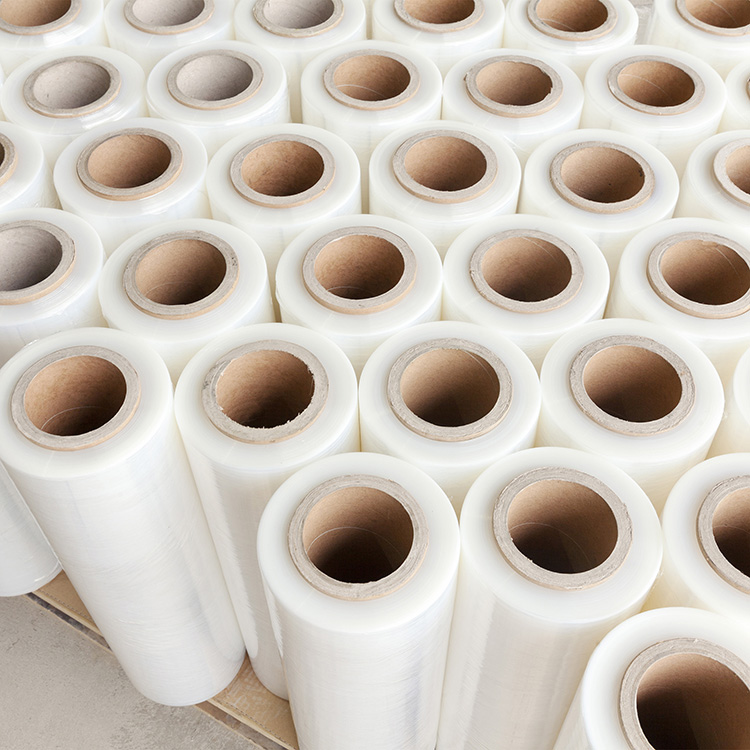
Tertiary containment keeps bulk shipments secure. You must carefully evaluate the role of automated stretch wrapping, strapping, and edge protectors. Load shifting is the leading cause of bulk transit damage. Machinery-driven containment prevents this shifting entirely. Automated wrappers apply consistent containment force. They perform far better than manual hand-wrapping techniques.
The outer shipper serves as the main structural defense. You must select the correct corrugated board grades. Right-sizing cartons prevents structural collapse by removing empty space.
Application Note: For apparel or soft goods, evaluate transitioning to flexible materials. Using durable shipping bags eliminates crushed-box scenarios entirely. Bags contour to the product. They reduce void-fill requirements and take up significantly less space on delivery trucks.
Understanding box strength testing is critical. Below is a quick comparison chart illustrating two primary industry standards.
| Test Type | What It Measures | Best Use Case |
|---|---|---|
| ECT (Edge Crush Test) | Measures top-to-bottom compression strength (stacking capacity). | Palletized shipping, warehouse stacking, LTL freight. |
| Mullen Burst Test | Measures force required to puncture or rupture the box face. | Heavy, awkward parts; rough handling environments. |
Internal protection keeps items immobilized and insulated from shock. You can categorize these solutions into three distinct functional areas.
| Category | Common Materials | Primary Function |
|---|---|---|
| Blocking/Bracing | Engineered foam, molded pulp, corrugated inserts | Immobilizes heavy items to prevent any internal shifting. |
| Suspension | Retention film packaging, suspension inserts | Floats fragile items away from the impact zones of the box walls. |
| Void Fill | Air pillows, crinkled kraft paper, loose fill peanuts | Occupies empty space to prevent minor movement and box collapse. |
Common Mistake: Do not use air pillows for sharp or heavy industrial parts. The parts will easily puncture the plastic, rendering the void fill useless within minutes of transit.
Selecting materials requires a deep understanding of logistics economics. You cannot simply buy the thickest bubble wrap available and call it a day.
You must balance the need for thicker cushioning with carrier pricing structures. UPS, FedEx, and USPS enforce dimensional weight (DIM) pricing penalties. DIM pricing charges you based on box size, not just actual weight. Excessive padding requires a larger box. This larger box triggers a massive shipping cost increase. Your goal is to maximize density without sacrificing critical crush protection.
Applying decision logic prevents wasteful spending. Use heavy-duty corrugated cartons for fragile, high-value, or easily bent items. If your product is not fragile, rethink the box entirely. Poly mailers and durable shipping bags offer tear resistance. They survive rough sorting facilities beautifully. They also avoid DIM penalties because they pack flat around the item.
Protection means nothing if it grinds your warehouse to a halt. Assess whether your chosen materials scale efficiently. Complex retention packaging might take a worker two minutes to fold. This delay causes severe bottlenecks at the fulfillment station during peak seasons. Prioritize solutions allowing rapid, ergonomic assembly.
Eco-friendly materials are highly popular. However, you must navigate trade-offs carefully. Utilizing high levels of recycled paper content can reduce structural integrity. Recycled fibers are shorter and weaker than virgin fibers. Virgin fiber strength remains necessary for high-stress transit routes. You must test sustainable materials aggressively before trusting them with delicate cargo.
Rushing a new packaging design into production carries distinct operational risks. You must ensure your solutions meet strict industry standards.
More material does not always equal more safety. Excess materials increase your material costs significantly. Over-packaging also annoys end-users. Consumers hate wrestling with layers of tape and excessive plastic wrap. They also dislike discarding massive amounts of non-recyclable waste. Over-packaging rarely increases product safety proportionally. It just increases frustration.
Carriers actively look for reasons to deny damage claims. You must meet minimum carrier packaging guidelines. UPS and FedEx publish rigorous standards for minimum tape width and bursting strength. If you use a substandard box or insufficient tape, the carrier will shift liability back to you. Your claim will be immediately denied due to improper preparation.
You should never guess how a box will perform. Pre-shipment testing removes the guesswork. Leverage ISTA transit testing protocols before launching a full operational rollout. ISTA standards involve controlled drop sequences, vibration tables, and incline impact tests. Passing these tests ensures your design will survive real-world conditions. It also strengthens your position if you ever need to file a carrier claim.
Transitioning to engineered solutions requires a structured action plan. Follow these precise steps to upgrade your operations safely.
You cannot solve a problem you do not understand. Start by analyzing your current data.
This audit highlights your weakest links. It shows vendors exactly what problems they need to solve.
Do not overhaul your entire fulfillment line based on a single meeting. Structure a localized pilot program first. Test a new packaging design on your worst-performing SKU. Ship 500 units using the new method. Monitor the return rates closely. A pilot program limits risk while providing highly accurate, real-world data.
You must justify the upfront cost of premium materials. Do this by comparing the initial expense against projected supply chain savings. Calculate the exact cost of a 2% damage rate using your old materials. Factor in product replacement, return shipping, and administrative labor. Then, compare that figure against the slightly higher cost of premium protection that drops the damage rate to 0.5%. The reduction in reverse logistics and recovered revenue almost always offsets the increased material cost.
Optimizing how you pack and ship is a continuous engineering process. It is certainly not a one-time purchase you can set and forget. Supply chains evolve, carrier rules change, and product lines expand. Your protection strategies must adapt accordingly.
Start today with a data-driven audit of your most frequently damaged SKUs. Look at your return logs to find the bleeding edge of your margin loss. We advise decision-makers to consult with structural engineers or certified 3PL partners. They possess the expertise to pilot testable, scalable solutions. Upgrading your defense mechanisms ensures your products arrive intact, protecting both your bottom line and your brand reputation.
A: Compression and improper load containment are the most common causes. When warehouses stack mixed pallets poorly, bottom cartons crush under the weight. Additionally, using inadequate internal void fill allows products to shift and collide during transit, leading to significant breakage.
A: Corrugated boxes provide structural crush protection, making them ideal for fragile items. In contrast, flexible bags offer excellent puncture and weather resistance. Bags are perfect for non-fragile items like apparel because they pack flat, resist tearing, and avoid expensive dimensional weight penalties.
A: ISTA standards are internationally recognized testing protocols. They simulate real-world shipping hazards using controlled drop tests, vibration tables, and compression machines. Passing ISTA tests ensures your parcel can withstand standard supply chain abuse and helps guarantee compliance with major carrier requirements.
A: You prove ROI by linking material cost increases directly to reverse logistics savings. Calculate the money saved from reduced product replacements, fewer return shipping labels, and less administrative labor. When these savings exceed the upfront cost of better materials, the investment is justified.