Author: Site Editor Publish Time: 11-06-2026 Origin: Site
Choosing the right packaging goes far beyond picking nice colors and a clever logo. It represents a critical business decision directly impacting shelf life, regulatory compliance, and retail performance. Brands constantly balance barrier protection, visual shelf impact, and harsh supply chain realities. You face strict minimum order quantities while trying to defend profit margins and guarantee long-term food safety. If you get this wrong, the product degrades, shelves look messy, and consumers quickly lose trust in your brand. We designed this guide to give brand owners and procurement teams a clear, actionable path forward. You will learn a definitive, step-by-step evaluation framework to navigate material science, compliance, and custom printing. By the end, you can confidently select manufacturing solutions precisely tailored to your unique product lines.
Selecting an incompatible packaging format causes immediate business problems. It increases the risk of product degradation. It also leads to poor shelf utilization and diminishes the overall user experience. Different pet food categories demand distinct structural solutions to remain viable on retail shelves.
For high-volume dry kibble, you must evaluate flat-bottom bags and quad-seal formats. These structures offer superior physical stability. They prevent heavy bags from tipping over in store aisles. Furthermore, flat-bottom designs maximize billboard space. They give your marketing team five distinct printable panels to attract buyers.
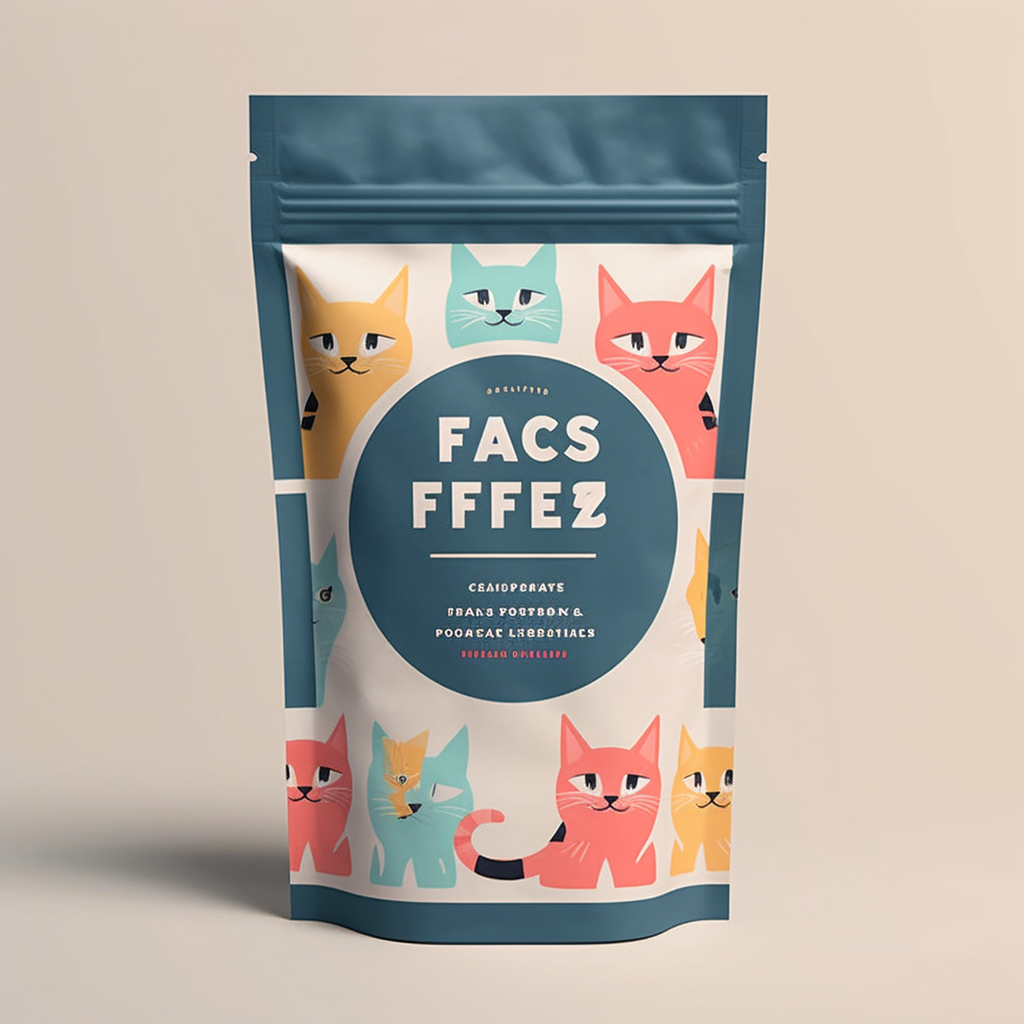
Treats and premium supplements require a different approach. Consumers expect supreme portability. For these items, assess the viability of a custom pet food pouch. Stand-up pouches dominate this category. They offer easy resealability and sit perfectly on smaller retail pegs or countertops.
Wet food and fresh formats present unique challenges. They typically demand retort pouches or specialized high-barrier films. These materials must withstand intense heat sterilization processes during manufacturing. If you choose standard films for retort applications, the packaging will fail catastrophically.
Base your final format decision on three core criteria. First, evaluate your target retail placement. Second, calculate your shipping weight constraints. Third, analyze consumer usage habits in real-world environments.
| Product Category | Recommended Format | Primary Benefit |
|---|---|---|
| Dry Kibble (10 lbs+) | Flat-Bottom / Quad-Seal Bag | Structural stability and maximum shelf branding. |
| Treats & Supplements | Stand-Up Pouch | Portability, low shipping weight, and resealability. |
| Wet & Fresh Food | Retort Pouch | Withstands extreme sterilization temperatures. |
Aesthetics cannot mask poor material performance. Beautiful graphics mean nothing if the food spoils prematurely. You must prioritize protecting your product against oxygen, moisture, and ultraviolet light. These environmental factors aggressively destroy pet food freshness.
Oxygen Transmission Rate (OTR) and Moisture Vapor Transmission Rate (MVTR) determine package success. Kibble contains fats and oils. Without proper OTR barriers, these fats oxidize quickly. The food becomes rancid, foul-smelling, and dangerous for pets to consume. Meanwhile, moisture control is equally critical. High MVTR ratings mean moisture easily enters the bag. This degrades kibble texture and frequently causes toxic mold growth.
Standard multi-layer laminations traditionally solve these issues. A combination of PET, VMPET (metalized PET), and PE provides excellent defense. The metalized layer acts as a harsh shield against light and oxygen. However, some brands now explore high-barrier specialty films to reduce overall packaging weight.
Sustainability creates a complex trade-off in modern packaging. Consumers demand recyclable or compostable films. Many brands transition to mono-material structures like PE/PE to improve recyclability. Unfortunately, eco-friendly materials often sacrifice maximum barrier longevity. You must rigorously test sustainable films to ensure they meet your required shelf-life benchmarks.
| Material Structure | OTR / MVTR Barrier Level | Sustainability Profile |
|---|---|---|
| PET / VMPET / PE | Very High | Low (Difficult to recycle) |
| PET / AL / PE | Maximum (Foil Barrier) | Low (Not easily recyclable) |
| Mono-Material (PE/PE) | Medium to High (Depends on coating) | High (Store drop-off recyclable) |
Consumers demand convenience. Incorporating smart usability enhancements directly drives repeat purchases. Evaluate closure systems carefully. Press-to-close zippers work well for treats and small kibble. However, you must watch out for particulate interference. Crumb buildup easily blocks standard zipper tracks. Slider zippers often solve this issue. They plow through crumbs, providing a reliable seal every time.
Beyond convenience, you must address strict regulatory compliance and safety. Compliant Pet Food Packaging must always feature food-grade, FDA-approved interior contact layers. You cannot risk chemical leaching into the animal's food supply.
Furthermore, factor in AAFCO (Association of American Feed Control Officials) packaging requirements. AAFCO guidelines mandate specific nutritional labeling. You must ensure ample printable surface area on your bag. Your design needs sufficient room for mandatory guaranteed analysis panels, ingredient lists, and feeding instructions. Failing to account for this space leads to costly redesigns and delayed product launches.
The primary success criteria for printing is visual differentiation. Your product must stand out in a highly saturated retail category. At the same time, the printing method must remain cost-effective per unit. You typically choose between digital printing and traditional plate printing.
Digital printing revolutionizes how emerging brands operate. It uses no physical printing plates. This method offers incredibly low minimums and rapid design iterations. If you plan to test multiple SKUs or launch seasonal flavors, digital printing minimizes your financial risk. It allows you to adjust graphics on the fly based on consumer feedback.
Plate printing, including flexographic and rotogravure methods, serves a different purpose. It represents the mathematically sound choice for high-volume, established product lines. While you pay upfront for physical printing plates, the per-unit cost drops significantly at scale. Plate printing also delivers precise Pantone color matching. This consistency is vital for long-term brand recognition across large retail chains.
Finally, assess the strategic use of visual finishes and surface treatments. Matte finishes communicate a natural, organic product positioning. Gloss coatings make bright colors pop on the shelf. Soft-touch coatings offer a luxurious, velvety feel in the consumer's hand. Spot varnish can highlight your logo or specific ingredients. These tactical treatments silently signal premium quality to the buyer.
Even the most beautiful packaging design fails if it creates supply chain bottlenecks. You cannot afford to trap essential operating capital in excess inventory. You must align packaging procurement strategies with your actual production realities.
Minimum Order Quantities (MOQs) dictate your cash flow. Traditional overseas manufacturers often demand massive upfront orders. You must calculate your true production run rates. Do not order 50,000 units of a single SKU unless your sales velocity supports it. Align packaging MOQs with your warehousing capacity and cash reserves.
Lead times heavily influence your vendor choice. Domestic manufacturing generally provides faster turnaround times. Overseas manufacturing usually offers lower unit costs but introduces extended transit times. You must factor in ocean freight delays, customs clearance, tooling setups, and quality control dispute resolution. A cheaper bag costs you dearly if it arrives three months late.
To mitigate these risks, follow a strict shortlisting logic when evaluating prospective vendor partners:
Choosing the right packaging requires mastering a precise decision matrix. You must evaluate format suitability, barrier necessity, and supply chain viability simultaneously. A beautiful bag fails if it cannot protect the food or meet your margin requirements. We strongly recommend prioritizing product protection and regulatory compliance above all else. Once you secure food safety, you can then optimize for visual impact and unit cost.
Your immediate next step is technical preparation. We advise you to audit your current product formulations right now. Define the exact OTR and MVTR requirements your kibble or treats demand. Document your necessary shelf life. Gather this technical data before you ever request a quote from a packaging manufacturer. Armed with these facts, you will negotiate better terms, prevent costly redesigns, and launch a superior product into the market.
A: Standard MOQs depend entirely on the printing technology you select. Digital printing allows for MOQs as low as 1,000 to 5,000 units per SKU. This is ideal for startups. Traditional plate printing (flexo or gravure) typically requires 10,000 or more units per SKU to justify the setup costs.
A: Mono-material (PE/PE) recyclable pouches are improving rapidly. However, they often have slightly lower barrier properties compared to traditional metalized multi-layer films. If you choose sustainable materials, you must conduct rigorous shelf-life testing to ensure fats do not oxidize prematurely.
A: Stand-up pouches feature a bottom gusset and work best for lighter weights, like treats. Flat-bottom bags feature a square footprint. They offer superior structural stability and hold a larger volume, making them the preferred choice for heavy, bulky kibble.
A: Valves are generally required for specific formulations that emit gas post-packaging. They are also necessary for large, heavy bags requiring rapid air expulsion during palletizing. Without a valve, trapped air causes the bags to balloon and burst under pressure.