


Author: Site Editor Publish Time: 08-11-2025 Origin: Site


Food packaging is a vital component in the modern food industry, serving as much more than a simple container. It plays a pivotal role in preserving freshness, extending shelf life, maintaining product quality, and enhancing consumer satisfaction. The longevity of a food product is influenced by multiple factors, and packaging acts as a primary defense against spoilage, degradation, and contamination. By carefully selecting materials, designs, and technologies, businesses can protect their products, reduce waste, and ensure that consumers receive high-quality food.
Shelf life is a critical attribute that affects consumer trust, brand reputation, and profitability. Properly designed food packaging addresses challenges such as exposure to oxygen, moisture, light, microbial contamination, and temperature fluctuations. It also facilitates transportation, storage, and retail display, ensuring that products remain in optimal condition from production to consumption.
This article explores how food packaging affects shelf life through a detailed examination of material selection, packaging formats, temperature control, contamination prevention, functional design, sustainability, and technological innovations. Each section delves into the mechanisms by which packaging contributes to prolonged product freshness and quality.
Food packaging encompasses the materials, containers, and processes used to protect, store, and transport food safely. Its primary objectives include:
Protecting food from physical damage during handling and shipping.
Preserving nutritional content, flavor, texture, and aroma.
Communicating essential product information, such as ingredients, expiration dates, storage instructions, and safety guidelines.
Shelf life refers to the duration during which a food product remains safe, consumable, and retains its desired quality attributes. Effective packaging slows down the processes that lead to deterioration, ensuring that food maintains its sensory and nutritional properties over time.
Proper packaging is essential for businesses that prioritize consumer safety, brand reliability, and operational efficiency. By extending shelf life, companies can reduce food waste, optimize supply chains, and strengthen market competitiveness.
The choice of packaging materials directly determines how effectively a product maintains its freshness over time. Materials provide barrier properties that protect food from external environmental factors that accelerate spoilage.
Packaging acts as a barrier against factors that compromise shelf life:
Oxygen: Causes oxidation, leading to rancidity, off-flavors, and loss of vitamins.
Moisture: Promotes microbial growth, affects texture, and can lead to spoilage.
Light: Exposure to ultraviolet and visible light triggers chemical reactions that degrade color, flavor, and nutrients.
Contaminants: Dust, foreign particles, and odor migration can compromise product quality and safety.
Selecting appropriate materials ensures that these factors are controlled effectively. Common packaging materials and their characteristics include:
Material | Barrier Properties | Common Applications |
Plastics (PE, PET, PP) | Moisture and oxygen-resistant | Snacks, baked goods, dairy products |
Aluminum Foil | Excellent light and oxygen barrier | Coffee, chocolate, perishable items |
Glass | Non-reactive, impermeable | Beverages, sauces, preserves |
Metal Cans | Durable and tamper-resistant | Canned vegetables, soups |
Paperboard | Moderate barrier, printable | Dry foods, cereals, secondary packaging |
Each material offers unique advantages and limitations. Businesses must carefully consider the type of food product, expected storage conditions, and desired shelf life when choosing packaging materials.
Advanced packaging solutions often employ multi-layer or composite materials, which combine different layers to achieve enhanced barrier properties:
Plastic layers provide flexibility and moisture resistance.
Aluminum layers block light and oxygen.
Laminates balance durability, protection, and cost-effectiveness.
Multi-layer materials allow for tailored solutions that meet the specific preservation needs of perishable, semi-perishable, and shelf-stable products, ensuring prolonged shelf life while maintaining product integrity.
The format and design of packaging play a significant role in determining how long a product remains fresh.
Vacuum packaging removes air from the package, reducing oxygen exposure and slowing down oxidation and microbial growth. This format is commonly used for meat, cheese, and other perishable foods, effectively extending their shelf life while maintaining texture and flavor.
MAP involves replacing the air inside a package with a protective gas mixture, such as nitrogen or carbon dioxide:
Reduces oxidation and spoilage rates.
Preserves color, flavor, and texture.
Supports longer shelf life during distribution and storage.
This method is particularly beneficial for fresh produce, processed meats, and ready-to-eat meals, where maintaining appearance and quality is critical.
Resealable packaging maintains freshness after opening, offering:
Zippers, spouts, or snaps to prevent air and moisture from entering.
Portion-control designs to reduce unnecessary exposure.
Flexibility for multiple uses without compromising quality.
These designs ensure that products remain safe and consumable over extended periods after the first opening.
Temperature management is vital for preserving freshness and extending shelf life.
Perishable foods such as dairy, seafood, meat, and fresh produce rely on effective cold chain packaging:
Insulated containers minimize heat transfer and maintain ideal temperatures.
Cold chain support prevents microbial growth and chemical degradation.
Ensures that temperature-sensitive ingredients retain their quality during transportation.
Some packaging incorporates thermal insulation layers:
Foam, reflective films, and multi-layer composites stabilize internal temperatures.
Protects food from external temperature fluctuations during storage and shipping.
Maintains product integrity and reduces spoilage, ensuring freshness upon arrival.
Proper thermal management is essential for both frozen and refrigerated products, directly influencing shelf life and safety.
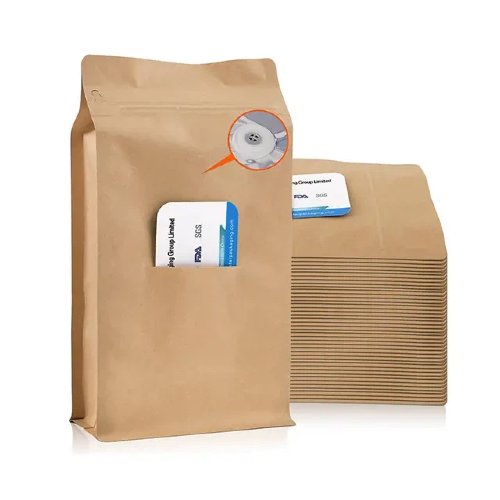
Maintaining freshness requires protection from microbial, chemical, and physical contaminants.
Effective sealing techniques help prevent air and moisture infiltration:
Heat seals, adhesive seals, and vacuum closures maintain packaging integrity.
Tamper-evident features provide visible indicators of compromise.
Prevents contamination and extends shelf life by maintaining an uncontaminated environment.
Food packaging must be manufactured under strict hygienic standards:
Sterile handling reduces microbial risk.
Controlled environments during production prevent contamination.
Proper material handling ensures that food remains safe and high-quality.
Hygienic practices support shelf life extension and consumer safety, reinforcing brand reliability.
Packaging design influences how consumers preserve freshness after opening.
Functional features improve usability and freshness retention:
Easy-open tear notches and perforations.
Resealable zippers or spouts for maintaining quality.
Ergonomic designs for handling, pouring, and storage.
These elements ensure that food remains fresh throughout its consumption period, enhancing the user experience.
Well-designed packaging minimizes waste:
Resealable designs allow partial consumption without quality loss.
Portion-controlled packaging limits exposure to air and moisture.
Containers designed for repeated use preserve barrier properties over time.
Functional design is critical for maintaining freshness and reducing food waste.
Sustainable packaging must preserve freshness while reducing environmental impact.
Sustainable options include:
Recyclable plastics such as PE and PP.
Biodegradable or compostable films like PLA and PBAT.
Renewable materials such as paperboard and corrugated cartons.
Reusable containers made of glass or metal.
Packaging designers must ensure:
Proper barrier properties without sacrificing shelf life.
Multi-layer biodegradable materials maintain durability and protection.
Sustainable solutions meet both environmental goals and product freshness requirements.
This balance ensures long-lasting quality while supporting corporate social responsibility.
Innovations in packaging technology enhance freshness, shelf life, and consumer confidence.
Smart packaging includes:
Freshness indicators that visually signal spoilage.
Temperature-sensitive labels for monitoring storage conditions.
Tamper-evident features for safety and quality assurance.
These innovations allow real-time monitoring and ensure that food remains safe and consumable for longer periods.
Advanced materials and designs improve protective properties:
Multi-layer films combining plastics, aluminum, and paperboard.
Oxygen and moisture scavengers integrated into packaging.
Engineered materials that maintain optimal gas and moisture levels.
Such technologies maximize shelf life and maintain quality, even under challenging storage conditions.
The influence of food packaging on shelf life is comprehensive. By providing effective barriers, temperature control, contamination prevention, functional convenience, sustainability, and technological innovations, packaging ensures that food remains safe, fresh, and high-quality throughout its lifecycle.
Businesses seeking to maximize shelf life and maintain product integrity benefit from engaging professional packaging experts. Companies like Shenzhen M Star Packaging Group Co., Ltd. offer tailored, sustainable, and high-quality packaging solutions designed to extend shelf life, support operational efficiency, and enhance the consumer experience. Professional guidance ensures products reach the market in optimal condition while adhering to modern industry standards.
Q1: How does food packaging extend shelf life?
A1: By preventing exposure to oxygen, moisture, light, and contaminants, and by using specialized formats like vacuum sealing or MAP.
Q2: Why is shelf life important for consumers and brands?
A2: Longer shelf life ensures safety, quality, reduces waste, and enhances consumer trust.
Q3: Which packaging materials are most effective for extending shelf life?
A3: Plastics, glass, metals, and multi-layer composites, selected based on the product type and storage requirements.
Q4: Can sustainable packaging maintain freshness?
A4: Yes, properly designed eco-friendly packaging can preserve freshness while reducing environmental impact.
Q5: How do technological innovations influence shelf life?
A5: Smart packaging, freshness indicators, and advanced barrier technologies monitor conditions and extend product longevity.


