Author: Site Editor Publish Time: 13-06-2026 Origin: Site
Misaligning your packaging strategies inevitably leads to two distinct supply chain failures. You either overspend on logistics due to inefficient dimensional weight, or you suffer high damage rates. This happens because retail designs often face harsh industrial transit friction. Brands frequently blur the lines between consumer-facing presentation and logistics-facing protection. This operational confusion directly erodes profit margins. When delicate consumer boxes endure heavy-duty supply chain environments, the results are crushed goods and frustrated customers. A beautiful shelf display matters little if the product arrives damaged.
We built this guide to clarify the operational boundary between aesthetics and structural survivability. You will discover a clear framework for evaluating and sourcing the correct packaging layers. We will help you protect your products while optimizing your freight spend. By the end of this article, you will understand how to integrate robust logistics defenses into your supply chain seamlessly.
Supply chain professionals rely on established frameworks to categorize material layers. Organizations like the National Motor Freight Traffic Association (NMFTA) define these layers rigorously. We use these definitions to standardize handling protocols across global transit lanes. We can break these down into distinct operational boundaries to clarify their specific roles.
Primary packaging makes direct physical contact with your product. Think of a glass beverage bottle, a sealed cereal bag, or a cosmetic jar. Secondary packaging groups these individual units for retail display or consumer convenience. A branded cardboard carton holding twelve protein bars serves as a perfect example of a secondary layer.
The success criteria here revolve entirely around the end consumer. You must ensure brand compliance and display clear regulatory labeling. The design must minimize its shelf footprint in crowded retail stores. Most importantly, it must reduce consumer unboxing friction. You want to create a memorable, premium experience. These layers utilize high-end graphics, tactile finishes, and intricate structural folds to capture shopper attention.
This tertiary layer serves as your product's outer defense system. You design it strictly for bulk handling, palletization, and long-haul shipping. It rarely sees the retail shelf. Consumers almost never interact with this protective shell.
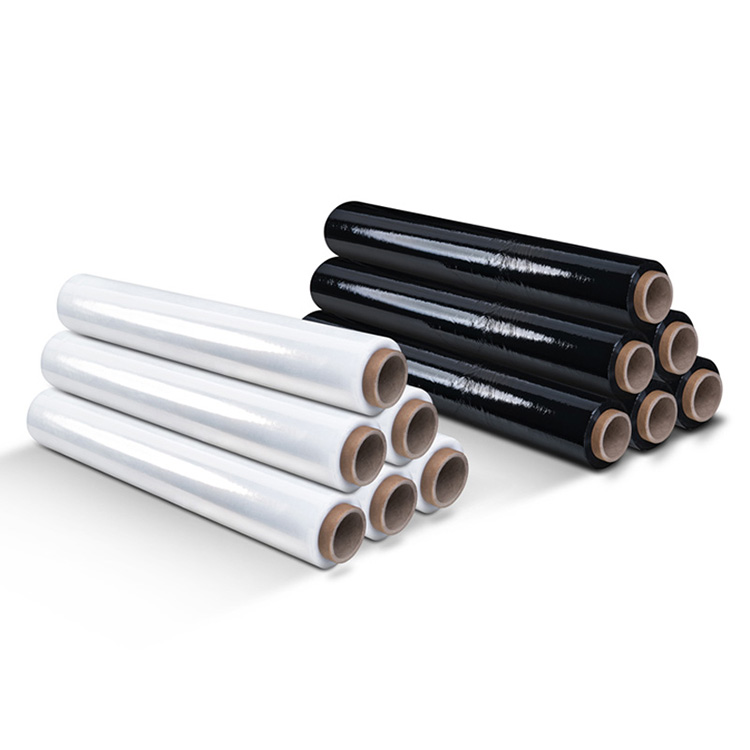
Success here requires vastly different engineering metrics. You need high compression strength to survive vertical stacking in warehouses. You need a strong environmental barrier against moisture, dust, and UV light. Furthermore, your design must integrate mechanically with forklifts, conveyors, and automated storage and retrieval systems (ASRS). We often rely on robust Transport Packaging setups like heavy-duty corrugated cartons, edge protectors, and stretch films to secure bulk loads safely.
The visual appeal of retail shelves directly competes against the physical realities of warehouse storage. You must evaluate materials, costs, and design drivers distinctly for each function. Mixing these priorities often leads to compromised solutions.
Retail materials prioritize aesthetics and advanced printing capabilities. You will typically use high-finish cardboards, flexible films, custom molded inserts, and premium printing substrates. They look incredible but offer minimal structural defense against blunt impacts. They easily scuff, tear, or crush under pressure.
Conversely, transit layers demand brute strength. You will use heavy-duty corrugated board, often utilizing single or double-wall flute configurations. Wooden or plastic pallets form the rigid base. Corner boards and high-tension stretch wrap bind the unit into a solid block. These materials prioritize shock absorption and load stability over visual appeal.
We must view retail designs primarily as a marketing and customer acquisition cost. Beautiful boxes drive direct sales and encourage brand loyalty. Marketing departments usually control this budget.
However, transit protection acts as a risk-mitigation and logistics cost. Many companies make the critical mistake of underinvesting here to save pennies. Consider this core assumption: underinvesting in transit protection negates your retail investment entirely if the product arrives crushed. A five-dollar premium retail box becomes worthless if you ship it inside a cheap, flimsy master carton.
What specific factors dictate the physical shape of your containers? The drivers differ dramatically between layers.
For retail applications, visual hierarchy drives the structural design. You want specific tactile feedback and high point-of-sale visibility. The shape might be unique, asymmetrical, or windowed to showcase the product inside.
For logistics applications, dimensional weight (DIM weight) optimization dictates the shape. You need strict geometric efficiency. Pallet-stacking modularity and drop-test survivability govern the engineering process. Every wasted inch translates to higher freight invoices.
| Evaluation Dimension | Retail Packaging (Primary/Secondary) | Logistics Protection (Tertiary) |
|---|---|---|
| Primary Goal | Brand appeal and unboxing experience | Load stability and hazard protection |
| Common Materials | High-finish cardboard, molded pulp, foils | Corrugated board, stretch wrap, pallets |
| Cost Center | Marketing and Sales | Logistics and Risk Mitigation |
| Key Design Driver | Visual hierarchy, shelf footprint constraints | DIM weight optimization, compression strength |
Moving goods safely across thousands of miles requires engineered defenses. Let us explore how to choose the right materials and systems for your specific supply chain network.
Your outer container dimensions must align seamlessly with standard pallet sizes. For example, North American supply chains heavily utilize 48"x40" GMA pallets. You must engineer your master cartons to maximize cube utilization on these exact footprints. Overhang causes catastrophic structural failure during transit. Underhang wastes valuable trailer space. Perfect alignment reduces your overall freight spend. Furthermore, modern robotic depalletizing sensors require uniform, predictable load shapes to function without constant human intervention.
Your products face severe mechanical abuse on the road. You must evaluate solutions against vibration, shock, temperature fluctuations, and compressive forces. This evaluation proves especially critical during LTL (Less-Than-Truckload) shipping, where handlers constantly move freight between different trailers. Full Truckload (FTL) shipments also endure harmonic road vibrations lasting for days. Proper industrial packaging solutions absorb these kinetic forces effectively. They isolate the fragile retail units inside from the chaotic environment outside.
Protection extends well beyond physical impacts. You must safeguard your inventory against theft and regulatory violations. Use tamper-evident seals and opaque stretch wrapping to prevent pilferage during transit. Opaque films obscure high-value electronics or pharmaceuticals from casual observation.
Additionally, you must maintain compliance with international shipping regulations. For example, any wooden pallets or crates must meet ISPM-15 heat-treatment standards to cross international borders legally. This prevents the spread of invasive wood-boring insects. If you ship hazardous materials, strict UN-certified containment rules apply to your master cartons.
Do not rely on subjective vendor claims regarding box strength. You must demand ISTA (International Safe Transit Association) certification data. ISTA protocols simulate real-world drops, incline impacts, random vibrations, and compression scenarios in a laboratory environment. Ask your vendors for documented test results. This empirical data ensures your designs will actually survive your intended supply chain.
The logistics industry is steadily shifting away from disposable corrugated setups where appropriate. Reusable formats offer compelling financial and environmental benefits for closed-loop networks.
Assessing the implementation realities of switching formats takes careful network planning. Expendable corrugated boxes work perfectly for one-way, unpredictable shipping lanes. However, you can often replace them with Reusable Transport Packaging (RTP) in controlled routes. Common RTP formats include rigid plastic totes, heavy-duty metal bins, and collapsible pallet boxes. These highly durable units survive hundreds of trips between your manufacturing plants and regional distribution centers.
You must move beyond simple unit costs when evaluating RTPs. A heavy-duty plastic tote costs significantly more upfront than a standard cardboard box. Instead, you should evaluate the cost-per-trip over a multi-year lifespan. You must also account for reverse logistics friction. Shipping empty totes back to your origin facility consumes fuel and labor. Finally, factor in asset tracking software requirements. You need RFID or barcode systems to prevent the loss or theft of expensive reusable containers across your network.
Durable formats drastically reduce total supply chain waste. They lower your overall carbon footprint by eliminating constant cardboard recycling and re-manufacturing cycles. Implementing robust industrial packaging solutions helps your company meet increasingly strict corporate ESG (Environmental, Social, and Governance) reporting criteria. Stakeholders expect measurable waste reduction. Lowering your Scope 3 emissions through reusable assets offers a highly visible way to deliver on those environmental promises.
Finding the right logistics partner requires a methodical, data-driven approach. You need deep engineering expertise, not just a simple materials broker. Follow this structured audit process to identify the best vendor for your network.
Retail and transport packaging serve competing masters. The primary layer drives marketing success, while the tertiary layer dictates logistics survival. A successful supply chain never forces one layer to do the job of the other. Blurring these functional lines only invites profit-draining damage and inflated freight fees. You must respect the unique engineering requirements of both layers.
Take the following steps to optimize your supply chain today:
A: Yes, this is known as a Ships in Own Container (SIOC) model. E-commerce brands use it frequently to reduce waste. However, SIOC designs require intense structural engineering. The primary retail box must balance appealing consumer graphics with rugged structural integrity. You typically need thicker board grades and specialized internal void fill to survive single-parcel transit.
A: "Packaging" refers to the engineered materials and the systemic strategy used to protect goods. It encompasses the design of boxes, protective films, and inserts. Conversely, "packing" is the physical operational process. It involves warehouse staff or automated machines actively placing goods into those containers, sealing them, and preparing them for shipment.
A: Thick corrugated board cannot solve poor structural geometry. Common oversights include inadequate internal void fill, allowing products to shift and pierce the box from the inside. Incorrect flute direction severely weakens vertical stacking strength. Pallet overhang causes the lowest boxes to bear disproportionate weight. Finally, high warehouse humidity can degrade corrugated strength significantly over time.