


Author: Site Editor Publish Time: 08-11-2025 Origin: Site


Food packaging is far more than just a wrapper or container around a product. It is a science, a technology, and a visual language that protects, preserves, and presents food to consumers. From keeping snacks fresh to promoting eco-friendly consumption, food packaging plays a crucial role in the global food supply chain. It’s an essential bridge between food producers and consumers—ensuring that what’s harvested, processed, and prepared reaches the table in perfect condition.
In this article, we’ll explore what food packaging really means, its core purposes, materials, and structure, and how innovative companies like Shenzhen M-Star Packaging Group Co., Ltd. are shaping the future of sustainable, customizable, and brand-driven food packaging solutions that meet global market standards.
At its core, food packaging refers to the process and materials used to contain, protect, transport, and market food products. It ensures that food reaches consumers in the best possible condition—safe, fresh, and appealing.
In today’s food industry, packaging has evolved into a critical part of food manufacturing. It merges practical functions with design, safety, and sustainability. The meaning of food packaging now extends beyond simple protection—it represents the brand’s promise, compliance with international safety standards, and care for both consumers and the environment.
Food packaging serves three interconnected purposes:
Protection: Safeguarding food from contamination, moisture, and oxidation.
Preservation: Maintaining shelf life, aroma, texture, and nutritional value.
Presentation: Conveying the brand’s identity and attracting consumers through visual design.
Modern packaging solutions integrate advanced materials, barrier films, and eco-friendly layers that combine performance and sustainability—demonstrating how food packaging has transformed into a sophisticated industry driven by innovation and responsibility.
The foremost function of food packaging is to protect the product from environmental, chemical, and mechanical hazards. It prevents exposure to air, dust, and microorganisms that can spoil food. Well-sealed packaging ensures that food retains its intended quality and safety from production to consumption.
Food safety authorities around the world require that packaging materials used for direct food contact meet hygiene and toxicology standards. Manufacturers rely on advanced lamination techniques, strong sealing, and high-barrier films to achieve these protective properties.
Food packaging also serves as a preservation system. Proper barrier materials reduce oxygen transmission, control humidity, and prevent spoilage. For instance, multilayer laminates can combine strength, flexibility, and barrier functions to keep flavors intact and prevent grease or aroma migration.
Preservation is not only about longer shelf life—it’s about maintaining sensory quality, freshness, and nutritional integrity. Consumers associate good packaging with quality assurance and brand reliability, making preservation a cornerstone of customer trust.
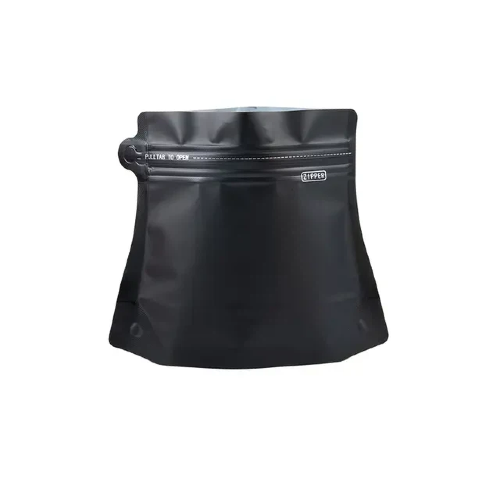
Today’s consumers prioritize convenience. Packaging is expected to support easy use, resealing, and storage. Features like spouts, zippers, tear notches, and ergonomic shapes contribute to an improved user experience.
M-Star Packaging integrates advanced functionality in its designs, combining practicality with visual harmony. This approach reduces waste, improves usability, and enhances consumer satisfaction—key factors in modern food retail and e-commerce.
Packaging is also a marketing tool. Beyond logos and colors, it tells a story—about origin, quality, values, and lifestyle. Clear labeling builds consumer trust, while creative design influences purchasing behavior. With growing competition, packaging that aligns visual identity with functionality helps brands stand out and foster recognition.
Food packaging exists in diverse forms depending on the type of food, storage conditions, and marketing objectives. Each packaging type provides a specific balance between protection, cost, and presentation.
Packaging Type | Description | Typical Applications |
Plastic Packaging | Lightweight, flexible, moisture-resistant, customizable | Snacks, frozen food, sauces |
Paper Packaging | Renewable, biodegradable, and ideal for printing | Bakery goods, fast food, tea |
Aluminum Foil Packaging | Excellent barrier against air, light, and moisture | Coffee, condiments, ready meals |
Composite Packaging | Combines several layers for protection and visual effect | Juices, sauces, dry foods |
Glass Packaging | Rigid, transparent, reusable | Jams, beverages, sauces |
Metal Packaging | Long-term protection, strong barrier | Canned goods, pet food |
Plastic and composite packaging dominate global food markets due to their adaptability and performance. However, eco-friendly materials like recyclable paper or biodegradable films are gaining importance as industries pursue greener operations.
M-Star Packaging provides multiple configurations in flexible packaging, including stand-up pouches, zipper bags, and laminated films, offering both aesthetic and functional customization.
These pouches stand vertically on shelves, creating excellent visibility and shelf impact. Their gusseted base provides stability while reducing storage space. They are ideal for dry foods, snacks, and ready-to-eat items. With enhanced printability, M-Star Packaging designs stand-up pouches that elevate both product appeal and convenience.
A minimalist yet reliable format, the three-side seal bag ensures durability and protection for single-use or small-portion packaging. It’s commonly chosen for small snacks, spices, and seasoning powders, offering an economical and efficient packaging solution.
Resealable features extend usability and freshness. Consumers appreciate being able to open and close packaging without losing product integrity. For food producers, it’s an effective way to build customer satisfaction while minimizing waste.
Flat-bottom pouches merge structure with sophistication. They resemble boxes when filled, providing stability and a luxury appearance. This design maximizes shelf efficiency and allows more printable surface for branding. M-Star Packaging’s advanced laminating and forming technologies ensure precise and durable pouch construction.
Every food packaging product must comply with rigorous safety and hygiene regulations. Food-grade plastics, coatings, and adhesives are developed specifically for non-toxicity and chemical stability. Manufacturers like M-Star Packaging ensure compliance with international standards and certifications such as FDA and EU directives, guaranteeing that all packaging materials are safe for direct food contact.
Precision is crucial in food packaging. Printing accuracy, lamination adhesion, and sealing consistency directly affect both quality and safety. M-Star Packaging employs high-speed laminators, solvent-free technologies, and color management systems that ensure clarity and stability in every batch.
The use of digital prepress systems allows better registration, reduced waste, and faster turnaround—meeting clients’ demand for flexibility and consistency across large production volumes.
A small defect in sealing or film structure can compromise the product. Therefore, packaging manufacturers conduct continuous burst testing, peel strength tests, and leak detection to verify integrity. Quality assurance processes ensure that every package performs as expected through transportation, handling, and storage.
Consumers increasingly associate sustainability with brand reputation. Food brands adopting sustainable food packaging earn customer loyalty and regulatory approval. The push for greener materials has created a wave of innovation—where packaging design meets environmental ethics.
Governments are implementing recycling mandates and restrictions on single-use plastics, accelerating the need for recyclable and compostable packaging options. Sustainable packaging is no longer a niche concept—it’s a global standard.
New-generation materials offer both protection and environmental benefits:
Recyclable PE and PP Films: Easy to process, suitable for existing recycling systems.
Compostable PLA and PBAT Films: Derived from renewable sources, suitable for industrial composting.
Paper-Based Laminates: Combine natural texture with barrier coatings for medium-shelf-life products.
These innovations reduce landfill waste and carbon emissions, contributing to circular economy goals while maintaining barrier performance.
M-Star Packaging actively develops sustainable solutions without compromising on strength or print quality. Their R&D focuses on downgauging (reducing material thickness), using solvent-free adhesives, and improving ink adhesion for recyclable films. The company’s vision aligns with eco-responsible manufacturing—ensuring every packaging design serves both performance and planet.
M-Star Packaging delivers full-service customization, from concept design and material selection to printing and delivery. Clients benefit from flexible minimum order quantities, rapid prototyping, and professional design support that adapts to product identity and market positioning.
The company’s solutions extend beyond food packaging, including diverse applications:
Coffee, tea, snacks, and frozen foods
Pet food and animal nutrition
Daily care and cosmetics
3C electronics accessories
Apparel, textiles, and courier logistics
This broad experience allows M-Star Packaging to apply cross-industry insights into design efficiency, material innovation, and branding consistency.
With multiple subsidiaries and advanced production bases in China and Hong Kong, M-Star Packaging ensures quality uniformity and timely fulfillment. Modern facilities integrate printing, lamination, slitting, and bag-making under one roof, guaranteeing tight process control.
The company’s logistics network covers international markets with efficient export handling, making it a reliable partner for global brands seeking customized packaging with consistent quality and competitive pricing.
Every brand has unique visual and functional demands. M-Star Packaging offers a wide selection of finishes—matte, gloss, metallic, and transparent windows—to enhance product appeal. Their design team collaborates closely with clients to ensure each package embodies brand essence while maximizing usability.
Ready to elevate your brand with premium, sustainable food packaging?
Partner with Shenzhen M-Star Packaging Group Co., Ltd. to discover creative solutions that balance protection, performance, and environmental responsibility.
The future of food packaging is defined by three key drivers: sustainability, technology, and consumer engagement. Smart packaging—equipped with freshness indicators or QR codes—will enable real-time tracking and traceability. Materials will continue evolving toward renewable sources and minimal environmental footprint.
Digital printing, recyclable laminates, and lightweight structures will dominate production trends, offering faster turnaround and greater customization. As artificial intelligence and automation expand in manufacturing, packaging will become more precise, efficient, and sustainable than ever before.
M-Star Packaging’s proactive investment in R&D and modern production technologies ensures it stays ahead of these transformations, leading the shift toward intelligent, sustainable, and visually compelling packaging solutions for global food brands.
The true meaning of food packaging lies in its multifaceted purpose—protecting products, ensuring safety, communicating identity, and supporting a sustainable future. It’s not only about wrapping food but about preserving value, extending shelf life, and strengthening trust between producers and consumers.
Shenzhen M-Star Packaging Group Co., Ltd. stands as a leading force in this evolution. With its combination of technical excellence, sustainable innovation, and global service, the company provides solutions that deliver performance, aesthetics, and responsibility—all in one package.
Common materials include plastic films (PE, PET, PP), aluminum foil, kraft paper, and biodegradable composites such as PLA and PBAT. Each material offers different barrier levels and printing adaptability.
Food packaging protects contents from contamination, extends shelf life, and ensures compliance with hygiene regulations. It also prevents physical damage and preserves the product’s sensory qualities.
Sustainable food packaging uses materials that are recyclable, compostable, or derived from renewable sources, reducing carbon emissions and waste generation while maintaining functionality.
Key trends include smart labeling, lightweight films, biodegradable structures, minimalist design, and enhanced recycling compatibility. Sustainability and technology now shape every aspect of innovation.
Yes. M-Star Packaging provides full OEM/ODM customization, including material selection, design assistance, multi-color rotogravure printing, and global shipping support—helping clients bring unique packaging concepts to life.


