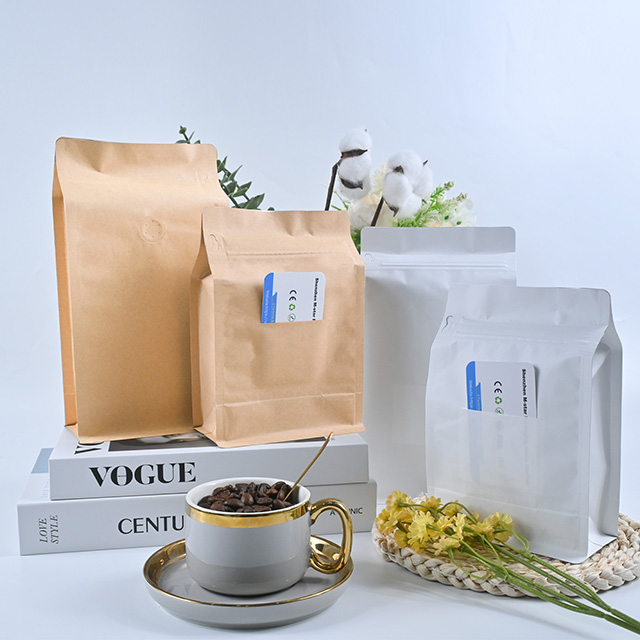
Author: Site Editor Publish Time: 08-06-2026 Origin: Site
Custom packaging acts as the front line for your brand reputation and product safety. It represents a critical intersection of operational efficiency, strict regulatory compliance, and lasting brand equity. Many businesses view it purely as a necessary marketing expense. This mindset creates dangerous late-stage procurement errors. A simple miscalculation in sizing, selecting non-food-grade materials, or ignoring hidden tooling fees can severely compromise product integrity. These bottom-of-the-funnel mistakes waste substantial budgets and damage consumer trust irreparably.
We built this guide to help you avoid these costly pitfalls. Our goal is to provide an objective, vendor-agnostic framework for your procurement process. We will show you how to evaluate complex technical specifications with confidence. You will learn how to uncover hidden fees and vet potential suppliers before you sign a binding contract. Use this knowledge to confidently finalize your purchase orders, protect your product, and safeguard your bottom line.
You cannot compromise on regulatory baselines when handling consumables. You need verifiable compliance from day one. Ask suppliers for comprehensive Material Safety Data Sheets (MSDS) before discussing designs. Look for facilities holding ISO 22000 or Global Food Safety Initiative (GFSI) recognized certifications. These credentials prove they manufacture materials under strict hygiene standards. If a supplier hesitates to provide compliance documentation, you should walk away immediately.
Next, you must evaluate specific barrier properties. Moisture Vapor Transmission Rate (MVTR) and Oxygen Transmission Rate (OTR) matter heavily. They dictate how long your product stays fresh on a shelf. A low MVTR keeps crispy snacks from absorbing humidity and going stale. A low OTR prevents oxygen from spoiling sensitive items like roasted coffee or fresh pasta. You must match the material barrier precisely to the perishability of your specific item.
| Food Type | Primary Threat | Recommended Barrier Focus |
|---|---|---|
| Dry Snacks (Chips, Crackers) | Moisture & Staling | High MVTR Resistance |
| Roasted Coffee Beans | Oxidation & Flavor Loss | High OTR Resistance + Degassing Valve |
| Fried Foods (Fries, Chicken) | Grease Bleed-through | Internal PE or Aqueous Coating |
Evaluate grease resistance carefully. Hot or fried foods need strong internal coatings. Polyethylene (PE) lining works exceptionally well for blocking grease. However, aqueous compostable coatings offer eco-friendly alternatives for brands pushing sustainability. Assess thermal tolerance realistically. Will your Food Packaging go into a microwave? Can it survive blast freezing? Heat lamps degrade poor materials rapidly, causing them to warp or melt. You must prevent structural degradation and chemical leaching during extreme temperature shifts.
Real-world dimensioning catches many buyers off guard. Relying purely on liquid volume (ounces or milliliters) traps you in a false sense of security. A 16-ounce round container might hold a hearty soup perfectly. It will likely fail completely when holding a leafy 16-ounce salad. You must measure based on exact portion dimensions rather than fluid capacity. Always establish clear "fill lines" for your products to ensure proper headspace and easy closing.
Supply chain stress-testing exposes design weaknesses early. Transit environments destroy fragile boxes quickly. You must assess crush resistance and stacking strength. Can your boxes survive being stacked five high in a humid delivery truck? Look at closure security with a critical eye. Tamper-evident seals provide safety guarantees and build consumer trust. Standard insert tabs often pop open during transit, leading to spills and customer complaints.
Back-of-house usability determines your daily operational efficiency. Operational reality hits hard on the packing line. Complex folding designs look great on a designer's screen but slow kitchen staff down drastically during a lunch rush. Are the closures intuitive? Do they require tape or stickers to hold shut? You must balance visual appeal against operational speed. If a box takes ten seconds longer to fold, it costs you significant labor hours over a year.
Your brand execution relies heavily on commercial print quality. We see three main printing technologies dominating the market today. Flexographic printing works best for high-volume, continuous runs. It offers unmatched cost-efficiency once plates are made. Lithographic printing delivers premium, photographic-quality imagery for high-end retail shelves. Digital printing is ideal for low-MOQ runs and variable data, requiring zero plate fees.
| Printing Technology | Best Used For | Key Advantage |
|---|---|---|
| Flexographic | High-volume, bulk orders | Lowest per-unit cost at scale |
| Lithographic | Premium retail cartons | Highest image clarity and detail |
| Digital | Startups, short runs, seasonal | No tooling/plate fees required |
When evaluating printed food packaging bags, mandate strict ink safety protocols. You must use food-safe, low-migration inks exclusively. Soy-based or water-based inks prevent chemical transfer effectively, protecting your consumers. Never accept industrial inks near consumable goods.
Assess finish durability thoroughly before mass production. Matte, gloss, or soft-touch finishes react differently to various environments. Condensation and refrigeration can easily ruin a beautiful matte finish. Friction during freight shipping causes heavy scuffing on dark colors. Demand Pantone (PMS) color matching guarantees from your supplier. This ensures your brand colors look identical across different substrate materials, from cardboard boxes to plastic pouches.
Demystifying quote structures will save you substantial capital. Break down every standard quote line by line. You must look far beyond the initial "per-unit" cost presented on page one. A cheap unit price often hides massive secondary expenses that ruin your margins.
Audit your quotes aggressively for hidden fees. We frequently find one-time structural design costs buried in the fine print. Die-line creation and prepress plate fees add up quickly on complex orders. Factor in freight, handling, and palletization expenses. If you order internationally, customs duties and port delays introduce major variable costs. You must calculate the Total Landed Cost (TLC) to understand your true expenditure.
Analyze the MOQ versus storage dilemma carefully. High volumes secure much lower unit costs. However, warehousing large quantities drains your operational capital. You face a hidden cost of storage for every pallet sitting idle. Use split-delivery schedules to your advantage. Inventory management agreements act as a powerful negotiation lever. They allow you to lock in high-volume pricing while receiving shipments in manageable monthly batches.
Verify vendor capabilities long before proceeding to production. Do they manufacture in-house, or are they acting as a broker? Brokers give you material flexibility and access to multiple factories. Direct manufacturers often provide superior traceability and direct communication. They generally maintain tighter quality control over your production runs. Choose the model that best fits your supply chain needs.
Never order blind. The prototyping phase is absolutely mandatory for physical goods. Follow these distinct sampling steps:
Establish robust Service Level Agreements (SLAs) immediately. Set clear, contractual expectations for delivery lead times. Define your acceptable defect tolerance percentages explicitly. A standard 2-3% variance is common in mass production, but you must agree on this in writing. Detail your specific financial recourse for non-conforming batches. Knowing how a vendor handles mistakes is just as important as knowing how they print.
Procuring successful custom packaging requires a strategic balance. You must merge complex material science, operational pragmatism, and high-end brand aesthetics into one functional unit. Do not let hidden costs or poor material choices derail your product launch.
Here are your immediate next steps:
A: Standard lead times vary based on location and print technology. Domestic turnarounds typically range from 3 to 6 weeks. Overseas shipping extends this to 8 to 12 weeks. You must also factor in the initial prepress, structural design, and tooling phases, which easily add 2 to 3 weeks before mass production even begins.
A: Yes. Digital printing makes low minimum order quantities (MOQs) highly accessible. It completely eliminates the need for expensive printing plates. While this is great for startups and market testing, you will pay a higher per-unit price compared to high-volume flexographic runs.
A: Evaluate your delivery method. If you utilize third-party delivery apps, tamper-evident seals are essentially mandatory for consumer trust and safety. Direct retail or over-the-counter handoffs often only require standard closures. When the chain of custody breaks between you and the customer, always opt for tamper-evidence.
A: Recyclable packaging is processed at standard municipal recycling facilities to create new materials. Commercially compostable materials require specialized, high-heat industrial facilities to break down properly. They will not degrade in a standard backyard compost bin. Always clarify these infrastructure realities to avoid making misleading greenwashing claims.