

Author: Site Editor Publish Time: 23-12-2025 Origin: Site
Although frozen PE bags and regular vacuum bags may look similar and can even be used for sealed packaging, they are fundamentally different in terms of material formulation, low-temperature resistance, usage scenarios, and cost structure.
Main Material: LDPE / LLDPE / MDPE (single-layer or multi-layer co-extrusion)
Features:
Extremely flexible
Does not crack at low temperatures
Does not emphasize high barrier properties (oxygen, moisture)
Typical Structure:
Single PE
Multi-layer PE co-extrusion (for enhanced strength)
Key Point: "Tailor-made" for low-temperature environments, not designed for vacuum barrier.
Main Material: PA/PE (Nylon + PE composite)
Features:
PA layer provides high barrier properties
PE layer is responsible for heat sealing
Relatively rigid structure
Typical Structure:
PA/PE seven-layer or five-layer co-extrusion
Key Point: Designed for "vacuum sealing + extended shelf life," not for extreme low-temperature flexibility.
| Comparison items | Frozen PE bags | Ordinary vacuum bags |
|---|---|---|
| Operating temperature | -40℃ ~ 0℃ | -18℃ ~ 0℃ |
| Low gentleness and resilience | ⭐⭐⭐⭐⭐ | ⭐⭐⭐ |
| Is it prone to cracking after freezing? | Not easy | Risky |
| Folding/Stacking Tolerance | Very strong | Generally |
Actual situation: Under conditions of long-term storage in cold storage or repeated freezing → thawing → refreezing, ordinary vacuum bags are more prone to edge cracks, while frozen PE bags are more stable.
Frozen PE bags emphasize:
Resistance to low-temperature cracking
Impact and compression resistance
Stability in large-size packaging
Safety in cold chain transportation
Common uses:
Frozen meat
Aquatic products (fish, shrimp, shellfish)
Frozen vegetables
Industrial frozen raw materials
Cold chain storage and turnover bags
Regular vacuum bags emphasize:
Vacuum sealing performance
Oxygen/moisture barrier
Extended shelf life
Smooth and conforming appearance to the product
Common uses:
Fresh meat
Cooked food
Cheese
Ready-to-eat food
High-value-added food retail packaging
❌ Misconception:
Frozen foods must be packaged in vacuum bags.
✅ Correct Understanding:
For extended shelf life + oxidation inhibition → vacuum bags are more suitable.
For low-temperature storage + cold chain transportation + large-volume freezing → freezing PE bags are more suitable.
For both freezing and vacuum sealing → choose "low-temperature resistant PA/PE vacuum bags (custom-made)".
| Project | Frozen PE bags | Ordinary vacuum bags |
|---|---|---|
| Unit price | ⭐⭐⭐⭐ | ⭐⭐ |
| Mass applicability | Very suitable | High cost |
| Cold chain logistics adaptation | Excellent | Medium |
Conclusion: If you are a North American cold chain warehouse/wholesale/food processing plant, frozen PE bags have a significant advantage in terms of "stability + cost control".
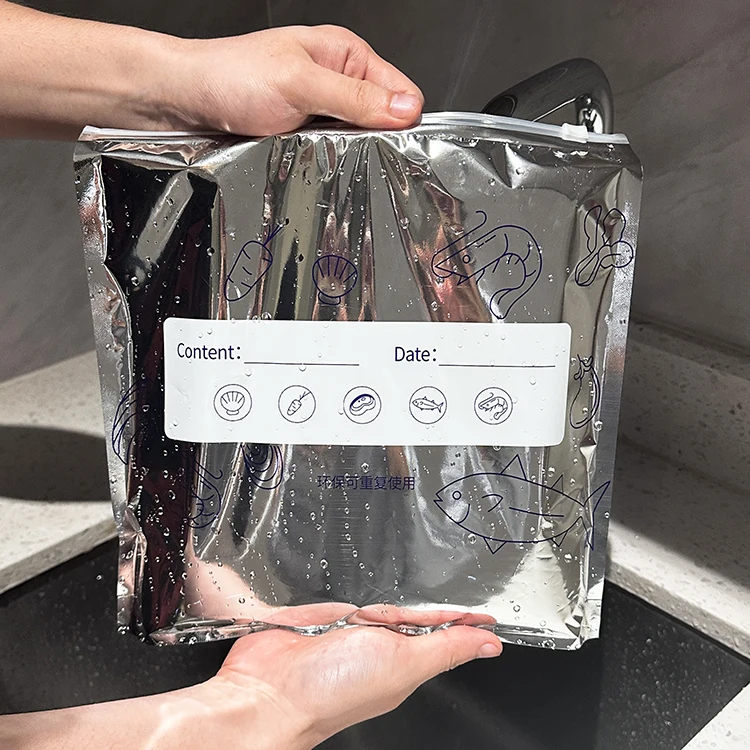
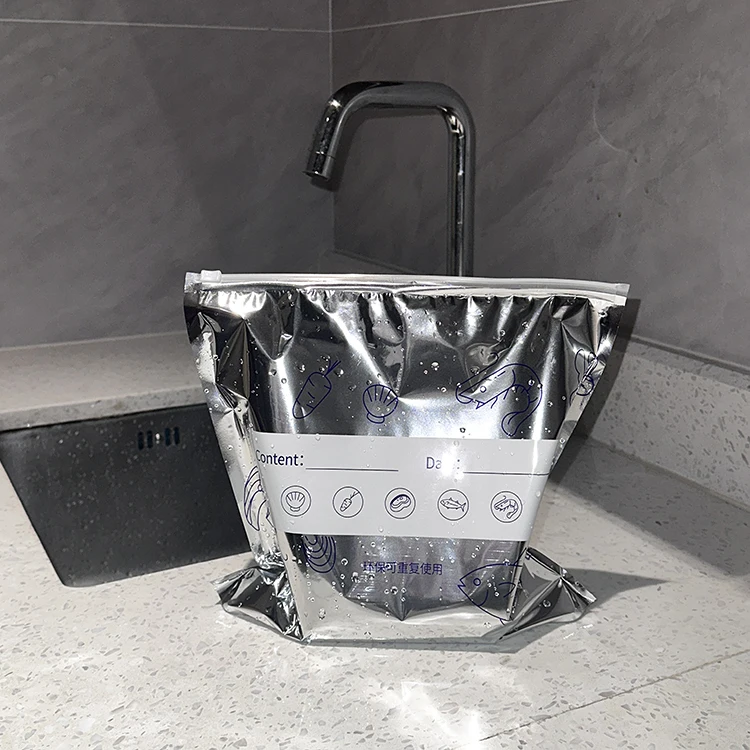
Please choose frozen PE bags if:
Your product is kept below -18℃ for extended periods
You experience frequent stacking in cold storage and compression during transportation
Vacuum sealing is not mandatory
You are cost-sensitive
Please choose vacuum bags if:
You require vacuum sealing
You have high shelf-life requirements
You have high product unit price and are retail-oriented
Freezing is not your only usage environment
Frozen PE bags are designed for low-temperature stability, while vacuum bags are designed to extend shelf life. Choosing the right bag type is key to truly protecting your product and reducing overall costs.
In the frozen food packaging industry, durability and reliability are paramount. Frozen PE bags are specially designed to maintain performance in extremely cold conditions, ensuring product protection from production to final delivery. M-Star Packaging's frozen PE bags maintain strength, flexibility, and seal integrity even at sub-zero temperatures.
Unlike standard plastic packaging, frozen PE bags feature an enhanced low-temperature formulation that prevents cracking, brittleness, and seal failure during freezing, storage, and transportation. Therefore, they are ideal for frozen meats, seafood, vegetables, baked goods, ready-to-eat foods, and other temperature-sensitive products.
Our cold-resistant PE film effectively blocks moisture and contaminants, helping to maintain product freshness, texture, and food safety. Whether used for bulk packaging, repackaging, or retail packaging, frozen PE bags deliver consistently superior performance in harsh cold chain environments.
The key to efficient frozen packaging lies in material stability. Our PE freezer bags are made from high-quality polyethylene with an optimized film structure that maintains flexibility even at low temperatures. This flexibility minimizes the risk of punctures and tears caused by frozen contents or rough handling.
Depending on different application requirements, we offer:
LDPE (Low-Density Polyethylene), for enhanced softness and transparency
LLDPE (Linear Low-Density Polyethylene), for improved tensile strength and puncture resistance
Multi-layer PE structure for enhanced durability
These material choices ensure a secure seal for frozen products without compromising ease of filling or opening.
Packaging is more than just product protection; it's a powerful branding tool. Our custom-printed frozen PE bags support clear, high-quality printing for product identification, storage instructions, and brand advertising. Our optimized printing solutions withstand refrigeration, preventing ink cracking or fading and ensuring legibility throughout the product's lifespan.
Extensive experience in cold chain packaging solutions
Consistent quality and stringent material control
Customizable sizes, thicknesses, and bag types
Reliable sealing performance at low temperatures
Support for bulk orders and wholesale supply
From product protection to supply chain efficiency, our frozen PE bags are designed to support your business growth with reliable performance and professional packaging standards.


