

Author: Site Editor Publish Time: 29-12-2025 Origin: Site
For most medium- to high-volume operations, machine-pre-stretched film is the most cost-effective pallet wrapping solution in the long run—even if the price per roll of film is higher.
Pallet wrap is a plastic film used to secure items on a pallet. This protective layer provides several benefits, including stability, protection from dust and moisture, and the prevention of damage during transit. Additionally, pallet wrap helps to prevent shifting and disorganization of goods, which can lead to inefficiencies and potential damage. The film is stretched over the products on the pallet, and its elasticity ensures that it adheres tightly, securing the load effectively.
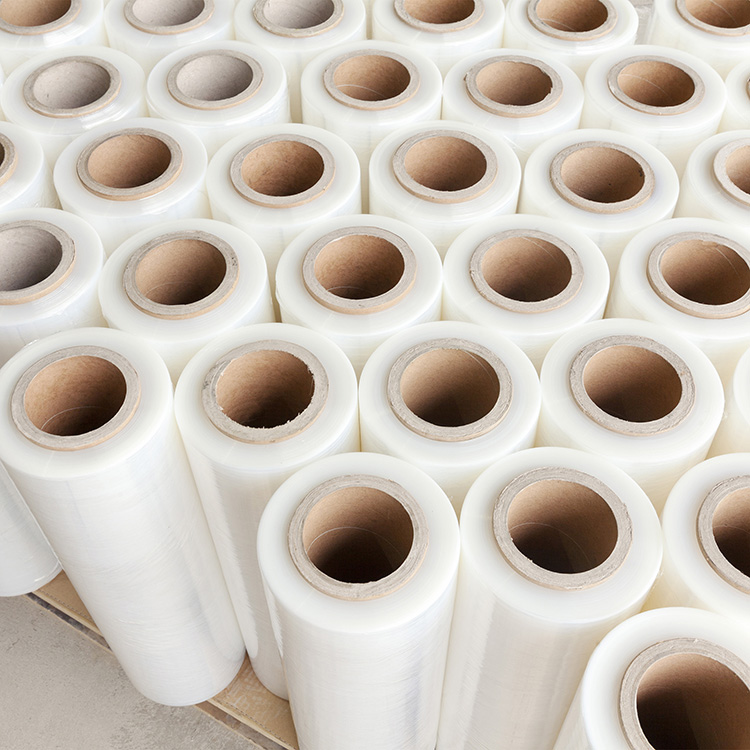
There are several types of pallet wraps available in the market, and each has its unique properties. The most common types include:
Stretch film is the most widely used type of pallet wrap. It is made from a highly stretchable plastic that can extend to several times its original length. It is designed to cling to itself, ensuring that the wrapped pallet remains tightly secured. Stretch film comes in two main forms: hand stretch film and machine stretch film. Hand stretch film is used manually, while machine stretch film is used with a wrapping machine.
Pre-stretched film is a type of stretch film that has already been stretched to its maximum before it is used for wrapping. This type of film requires less energy to stretch, which results in a thinner film with better load containment properties.
Blown stretch film is produced through a process that uses air to inflate the film. This makes the film thicker and more durable compared to cast stretch film. It is ideal for wrapping heavier or more irregularly shaped loads.
Cast stretch film is made through a process that involves casting the film into a thin sheet. It is less tacky compared to blown stretch film and is often used for lighter loads. Cast film has superior clarity and provides excellent puncture resistance.
Colored or printed stretch films are used for branding or to differentiate between different loads. This type of film does not impact the overall strength of the wrap but can be useful for businesses that need to create a professional or branded appearance for their shipments.
When selecting the most cost-effective pallet wrap, there are several factors that businesses need to consider. The goal is to find a balance between cost and performance.
The primary purpose of pallet wrap is to ensure that the load remains stable and secure during transportation. Thicker films may provide more security but can also be more expensive. Understanding the nature of the goods being wrapped—whether they are heavy, fragile, or prone to shifting—can help in selecting the right thickness and type of film.
The strength of the film is critical when it comes to securing loads, particularly for long-distance shipping. The stretch film should be durable enough to withstand external forces, such as movement, weather conditions, or handling during transport.
Cling ability refers to how well the film adheres to itself. A good quality pallet wrap should cling tightly to the load without leaving behind a sticky residue. The clingability also ensures that the film doesn’t unravel during transit.
For certain loads, especially those with sharp edges or irregular shapes, puncture resistance is an important consideration. Thicker films or blown stretch films are often better at withstanding punctures compared to lighter, thinner films.
In today’s environmentally conscious world, businesses are increasingly looking for sustainable packaging solutions. Some types of pallet wrap, such as those made from recycled plastic or biodegradable materials, can reduce a company's environmental footprint. It is essential to weigh the cost benefits against the environmental impact.
Another consideration is whether to use a machine or manual wrapping. Machine wrap is more efficient for high-volume operations and can be more cost-effective in the long run. However, for smaller businesses or low-volume needs, hand stretch film may be a more affordable solution.
When considering cost-effective pallet wrap solutions, it is essential to understand that the cheapest option may not always provide the best value. Below, we will discuss several options for achieving cost savings while maintaining packaging effectiveness.
Pre-stretched film can be a highly cost-effective solution. Since the film has already been stretched, it requires less force to apply, and it offers better coverage with a thinner material. As a result, businesses can reduce the amount of film used, which directly impacts cost savings. Pre-stretched films also improve load stability without sacrificing strength.
For high-volume operations, investing in a stretch wrap machine can significantly reduce the amount of film used and improve overall efficiency. Machines are designed to apply the right amount of stretch to the film, ensuring that it is stretched optimally without overuse. This can help reduce waste, lower labor costs, and improve the overall consistency of pallet wrapping.
Blown stretch film is more durable and puncture-resistant, making it a better choice for heavier or irregularly shaped loads. While blown stretch film is typically more expensive than cast film, it may be more cost-effective in the long term for businesses that frequently ship heavier or more complex products. The durability of the blown film minimizes the risk of damage during transit and helps avoid costly returns or claims.
Thicker films are more durable but also more expensive. Businesses should assess the specific needs of their products and select a film thickness that offers adequate protection without unnecessary excess. For lighter, more stable loads, thinner films may provide sufficient protection, while heavier or fragile goods may require a thicker wrap. Optimizing film thickness based on load requirements can help businesses reduce waste and lower packaging costs.
Purchasing pallet wrap in bulk can help businesses secure a better price per unit. Many suppliers offer discounted rates for large orders, making this an attractive option for companies with high packaging volumes. Additionally, buying in bulk helps ensure that businesses are not constantly reordering, reducing administrative costs and improving overall efficiency.
For businesses looking to lower costs while also contributing to sustainability, using recyclable or biodegradable stretch films is an excellent option. Although these films may carry a higher upfront cost, they can help attract environmentally-conscious customers and can be part of a long-term corporate responsibility strategy that might lead to savings in other areas, such as waste disposal or government incentives.
More expensive membranes actually save more in the long run.Thinner membranes actually require more material.Artificial coating ≠ Low-cost solution.Bulk buying cannot solve structural waste.


