

Author: Site Editor Publish Time: 26-12-2025 Origin: Site
Stretch film wrapping, commonly known as stretch wrapping or pallet wrapping, is a vital component in modern transportation and packaging industries. It involves the use of stretch film, a highly stretchable plastic film, to secure, bundle, and protect goods for storage and transportation. The process of stretch wrapping enhances the safety, efficiency, and cost-effectiveness of packaging products. This article will explore the various benefits of professional stretch film wrapping, particularly in the context of transport packaging.
Stretch film wrapping refers to the application of a stretch film to hold items together in a secure and tight manner. Stretch film is a type of plastic film that is stretched over the products being packaged, and as the film stretches, it creates a tight seal around the products. It is typically used for palletizing goods, ensuring that products are tightly bound and protected throughout their journey from warehouse to delivery point.
1. Pre-Stretch Control Characteristics of Unprofessional Wrapping
Uncontrollable stretch ratio
Reliant on operator physical strength
Different film amounts used per tray each time
Professional Wrapping Standards
Pre-stretch ratio is clearly defined (e.g., 200%–300%)
Each layer of film is "thinned and tightened"
Stretch is not a "feel," but a parameter
This is the dividing line between professional and unprofessional wrapping
2.Measurable Load Containment Force (LCF)
Non-professional wrapping
Judgment criteria:
"Looks tight enough"
Actual problems:
Many membranes used
But the fixation force is unstable
Professional wrapping
The goal is: to achieve the required LCF, not to add membranes indefinitely
The membrane's role is to "apply continuous tension," not to "pile thickness"
Professional wrapping focuses on "force," not "number of wraps"
3.Consistency, not experience. Unprofessional wrapping:
Same batch:
Different people → Different results
Morning vs. Afternoon → Different film usage
Unpredictable costs
Professional wrapping:
Same load → Same:
Tension
Wrapping path
Overlap ratio
Reproducible and predictable results
4. Film Selection Based on Load Characteristics (Not Just Any Film)
Non-Professional Wrapping:
One roll of film covers all goods
Only consider thickness, not performance
Professional wrapping considers:
Pallet weight
Height
Irregularity
Transport distance
Environment (cold storage/high humidity)
Then decides:
Film type (cast/blown/pre-stretched)
Thickness
Cling level
Professionalism ≠ Thicker, but a better fit
5. Standardized Wrapping Pattern
Professional wrapping always involves a structural design, not just random wrapping:
Anchor wraps
Even wrapping of the main body
Top wraps
Reasonable overlap (typically 30-40%)
Common problems in non-professional wrapping:
Unstable bottom
Random top wrapping
Repeatedly adding wraps at corners (pure waste)
6. Achieving sufficient stability with the "least amount of wrap"
This is a very important, but counterintuitive, professional standard:
Non-professional:
"The more wraps, the safer"
Professional:
"Wrap only to the ;necessary extent; every extra wrap is a waste"
The goal of professional wrapping is not "maximum safety,"
but "sufficient safety + lowest cost"
Professional stretch film wrapping is not about using more film or better machines —it's about controlled stretch, consistent tension, and achieving required load stability with the least material possible.
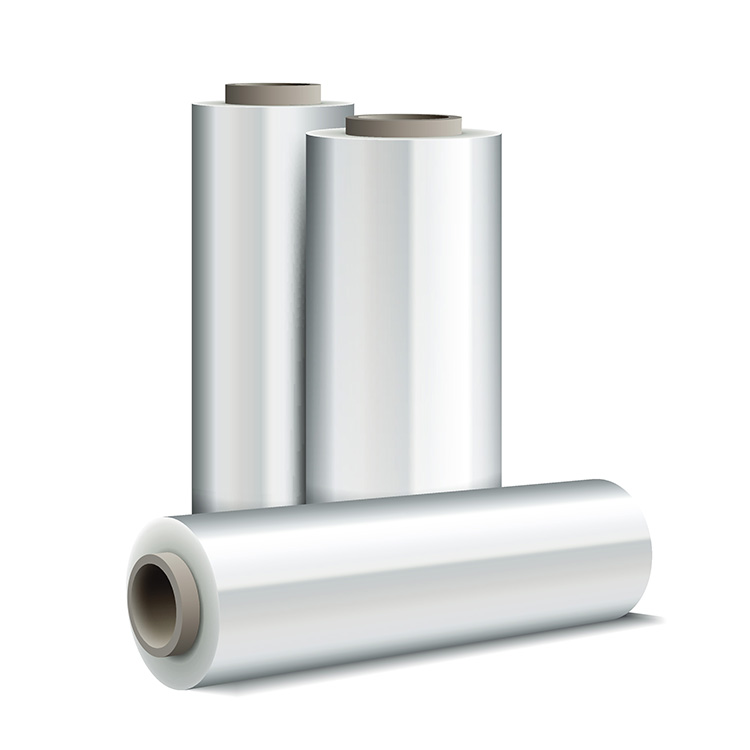
Stretch film is a versatile material known for its excellent elasticity and resistance. It can stretch up to 300% of its original length, which makes it ideal for securing items in transport packaging. Stretch films come in various thicknesses, widths, and types, each suited for different applications:
Clear Stretch Film: This allows visibility of the packaged products, making it easy to identify contents.
Black Stretch Film: Often used for sensitive products that need protection from light or for extra privacy.
Colored Stretch Film: Used for product differentiation or branding purposes.
Machine Stretch Film: Applied using automatic machines for higher-volume applications.
Hand Stretch Film: Applied manually, typically for smaller loads or lighter tasks.
One of the primary advantages of professional stretch film wrapping is its ability to protect goods during transportation. Stretch film wraps tightly around items, preventing them from moving around and getting damaged. It acts as a protective barrier against dirt, moisture, and dust. For products such as electronic devices or sensitive machinery, the stretch film serves as a protective shield, reducing the risk of scratching, chipping, or other physical damage during transit.
Additionally, the stretch film ensures that fragile items, such as glass products or perishable food, stay intact by reducing the risk of breakage or spillage. This protection is particularly valuable in long-distance shipping where the likelihood of goods being jostled or subjected to various environmental factors is higher.
Stretch film wrapping enhances load stability by securing items to the pallet. When products are tightly wrapped, the load becomes more stable and less prone to shifting, tipping, or toppling during transit. This is especially important when transporting heavy or bulky items. By securing the goods tightly, stretch film helps to keep them stable throughout the shipping process, reducing the chance of accidents or product loss due to unstable loads.
Professional stretch film wrapping is a highly cost-effective solution for packaging. The materials used in stretch wrapping are generally affordable, and the process is relatively simple and quick. When compared to other packaging methods, such as shrink wrapping or corrugated boxing, stretch film tends to be less expensive, especially for high-volume operations. Furthermore, the use of stretch film requires fewer materials than other methods, which can help to reduce packaging waste and lower overall packaging costs.
The high stretchability of the film means that less material is needed to wrap a large quantity of goods, making it an efficient and eco-friendly option. This cost-effectiveness is particularly crucial in industries such as retail, manufacturing, and logistics, where packaging plays a significant role in operational efficiency and overall costs.
Stretch film wrapping is incredibly versatile. It can be used for packaging a wide variety of products, from small, lightweight items to large, heavy machinery. Whether it’s securing pallets of food products, electronics, or industrial goods, stretch film provides an adaptable solution that can be tailored to suit different needs. Its flexibility in application means that it is commonly used across multiple industries, including food and beverage, logistics, pharmaceuticals, and more.
Moreover, stretch film can be applied both manually and mechanically, allowing businesses to choose the best method based on the volume of goods being packaged. Automated stretch wrapping machines can be used for high-volume applications, while manual stretch film wrapping is suitable for smaller or more customized packages.
Another significant benefit of stretch film wrapping is its ability to provide tamper evidence. Stretch film can be sealed in a way that makes it clear when the packaging has been compromised. Any attempt to open or tamper with the film is usually evident, which provides a layer of security for goods during transportation. This is particularly important for high-value items, such as electronics, pharmaceuticals, or luxury goods, where product security is a high priority.
By providing tamper-evident packaging, stretch film helps businesses ensure that their products are secure during shipment, giving both the supplier and the customer peace of mind.
As environmental concerns continue to grow, stretch film wrapping offers a more eco-friendly solution compared to other packaging materials. Stretch film is made from recyclable materials, meaning it can be reused and recycled, helping to reduce packaging waste. While the film itself is not biodegradable, it is still a more sustainable option when compared to other packaging materials that cannot be recycled as easily.
Furthermore, the high efficiency of stretch film—requiring less material to secure goods—helps to reduce the overall environmental impact. Businesses that implement stretch wrapping can reduce the amount of packaging they use and minimize their carbon footprint, contributing to sustainability efforts.
Professional stretch film wrapping can speed up the packaging process, especially when using automated machines. The use of stretch wrapping machines allows for consistent, quick, and efficient wrapping, which is essential in high-volume industries. With the ability to wrap large numbers of pallets quickly, businesses can increase their productivity and reduce the time spent on packaging tasks. This time-saving benefit is particularly important in industries like e-commerce, where rapid shipping is a critical factor in customer satisfaction.
The appearance of products plays a significant role in how they are perceived by customers. Stretch film wrapping provides a sleek, uniform appearance that helps to enhance the presentation of packaged goods. The transparency of stretch film allows the contents to be easily visible, which is especially important in retail settings where the look of the product matters.
In addition, the customizability of stretch film allows businesses to add branding elements such as logos or colors to their stretch film packaging. This can help to strengthen brand recognition and improve the overall customer experience.
Stretch film wrapping plays a crucial role in transport packaging, ensuring that products are securely wrapped and protected for delivery. Below are some common applications of stretch film wrapping in the transportation industry:
Palletizing and securing shipments: Stretch film is often used to wrap entire pallets of goods, ensuring that they stay in place during shipping and handling.
Protecting products from environmental elements: Stretch film serves as a barrier against moisture, dirt, and UV rays, ensuring that products remain in optimal condition during transit.
Bundling products for shipment: Stretch film can be used to bundle individual products together, making them easier to transport and reducing the risk of items being lost or damaged.
Professional stretch film wrapping offers numerous benefits for businesses involved in transport packaging. From enhanced protection and load stability to cost-effective packaging solutions and environmental sustainability, stretch film provides a versatile and reliable option for securing goods during transportation. By using stretch film, businesses can improve the efficiency of their packaging processes, reduce costs, and enhance the safety and security of their products. Whether for large-scale industrial use or smaller operations, stretch film wrapping remains an essential tool in the logistics and packaging industries.


