Author: Site Editor Publish Time: 16-06-2026 Origin: Site
The packaging industry has experienced a massive structural shift away from rigid containers like heavy glass jars, metal cans, and bulky boxes. Fast-moving consumer goods (FMCG) sectors, particularly coffee and snacks, now rely predominantly on flexible packaging. However, procurement and brand managers seek much more than mere aesthetic upgrades for their product lines. They desperately need measurable improvements in supply chain efficiency, extended product shelf-life, and robust retail shelf performance. Rigid options simply fall short in offering the agility required by modern global logistics.
In this article, we provide an evidence-based breakdown exploring why flexible formats have become the baseline standard for these verticals. You will discover the underlying operational trade-offs, complex barrier technicalities, and physical integration realities driving this market transformation. Understanding these specific mechanisms will help you optimize your packaging strategy effectively.
Switching from rigid containers to flexible packaging dramatically restructures your supply chain economics. When you order glass jars or metal tins, you essentially pay to ship and store empty air. A standard truckload holds thousands of rigid containers but can transport millions of unformed, flat-packed flexible units. This density completely changes your inbound warehousing math.
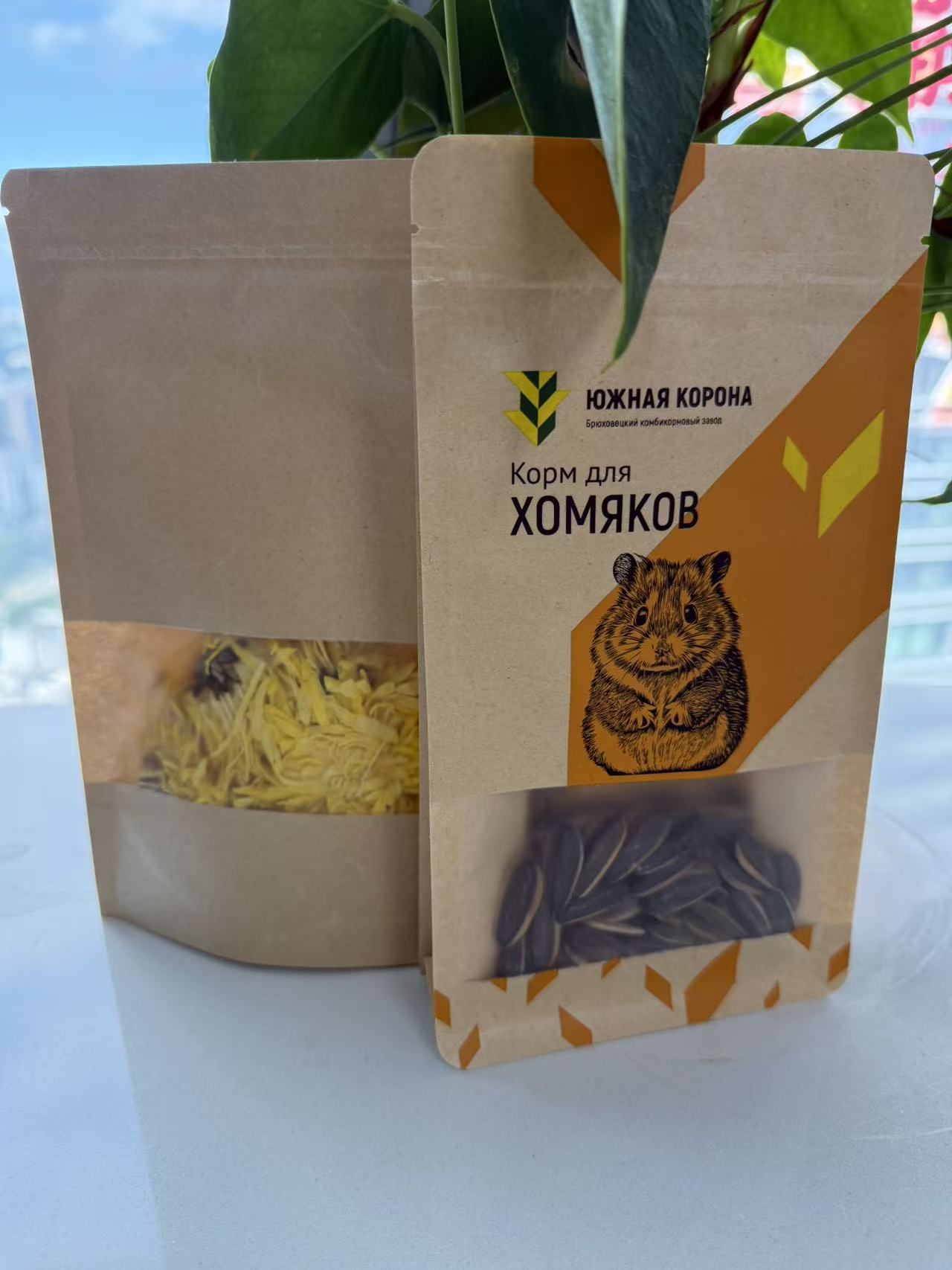
Purchasing Stand up Pouches shrinks your required warehouse footprint. Operations managers quickly notice a sharp reduction in Less-Than-Truckload (LTL) shipments needed to maintain packaging inventory. Fewer truckloads mean lower freight bills and fewer receiving dock bottlenecks. You handle lighter pallets, requiring less forklift movement and manual labor.
Material weight also plays a crucial role in modern sustainability metrics. We must evaluate the product-to-package ratio to understand the environmental impact. Flexible formats typically use up to 60% less plastic than rigid alternatives holding the identical volume. This massive weight reduction directly lowers carbon footprints during transit. Trucks burn less fuel hauling lighter cargo.
However, we must address the compliance reality transparently. While lightweight flexible formats excel in carbon reduction, multi-layer recycling remains an ongoing industry challenge. Fusing different plastic polymers together creates strong barriers but complicates traditional single-stream recycling. Brands must navigate this transparently, often directing consumers to specialized store drop-off programs rather than curbside bins.
Product degradation destroys brand equity. Flexible packaging prevents this through highly engineered material layers. We measure this protective capability using two critical metrics: Moisture Vapor Transmission Rate (MVTR) and Oxygen Transmission Rate (OTR). You align these rates with specific product vulnerabilities.
Different substrates perform different jobs within the material stack. Manufacturers laminate these layers together to meet exact requirements. The outer layer provides printability, the middle layers provide barriers, and the inner layer provides food-safe heat sealing.
| Substrate Type | Primary Function in Packaging | Best Used For |
|---|---|---|
| PET (Polyethylene Terephthalate) | Outer structural layer, excellent printability | High-end graphic printing, external durability |
| PE (Polyethylene) | Inner sealant layer, moisture resistance | Food-contact safety, secure heat seals |
| Metallized PET (VMPET) | Strong oxygen and light barrier | Snacks needing UV protection, moderate shelf-life |
| Aluminum Foil (AL) | Absolute barrier against oxygen, moisture, and light | Premium coffee, highly sensitive dry goods |
Coffee requires highly specific engineering. Freshly roasted coffee beans release carbon dioxide for days after roasting. If you seal them in an airtight bag, the built-up gas will rupture the seams. Therefore, coffee packaging necessitates one-way degassing valves. These small plastic vents allow CO2 to escape outward while blocking ambient oxygen from entering, completely preventing staling.
Snacks demand entirely different barrier configurations. Sharp contents like tortilla chips and pretzels require strong puncture resistance. Without robust polymer structures, internal friction causes micro-tears during shipping. Furthermore, snacks containing fats and oils require aggressive light-blocking layers. UV light exposure rapidly oxidizes oils, leading to immediate rancidity.
Evaluation criteria dictate how you structure these layers. You must align your required product shelf-life with the appropriate micron thickness. A product turning over in three months does not need the same intense aluminum barrier as a product requiring a twelve-month global shelf-life. Matching the material stack to the actual distribution cycle prevents over-engineering and keeps unit costs manageable.
Choosing the correct physical architecture dictates both retail presence and operational filling efficiency. The flexible packaging industry categorizes bags into three dominant structural types. Understanding the strengths of each ensures you select the best format for your specific product volume and retail environment.
Standard Stand-Up Pouches typically feature Doyen, K-Seal, or Round Bottom gussets. These designs fold flat when empty but expand outward when filled. They offer an incredibly stable base, preventing tipping on store shelves. Manufacturers consider them the best choice for moderate fill weights, making them ubiquitous for standard retail coffee bags, beef jerky, and premium mixed nuts. The design provides excellent front and back branding real estate.
Flat Pouches, also known as three-side seal or pillow bags, serve a different market segment. They lack a bottom gusset and cannot stand upright independently. You should choose this format for single-serve snacks, small sample sizes, or products designed for pegboard hanging. While highly cost-effective and easy to manufacture, they lack premium retail shelf presence.
Flat-Bottom Pouches, frequently called box pouches or eight-side seal bags, represent the premium tier. They mimic the rigid structure of a traditional box while utilizing flexible materials. You should upgrade to this format for high-capacity bulk items, such as wholesale coffee beans or large family-size snacks. They offer five distinct panels of printable space and maximum structural stability. However, this complex manufacturing process carries a higher per-unit cost.
Packaging performs a crucial role long after the initial retail transaction. The post-purchase user experience heavily influences consumer loyalty. If a customer struggles to open a package or cannot reseal it properly, they quickly grow frustrated. Consumer frustration with stale products directly damages brand equity. They rarely blame themselves for improper storage; they blame the product for lacking quality.
Integrating well-designed closures solves this problem. Evaluating closure technologies helps you match the physical hardware to consumer habits. Standard press-to-close zippers work well for granular items like coffee or small seeds. Slider zippers provide a premium, effortless experience, especially useful for older consumers or large-format snack bags. Pocket or Velcro-style zippers offer easy alignment, resisting interference from fine powders.
Retail safety standards also demand specific external features. You must include intuitive tear notches for effortless initial opening. More importantly, tamper-evident heat seals above the zipper ensure retail safety and compliance. These seals guarantee consumers that the product remains completely untouched since leaving your manufacturing facility.
Modern consumers demand portion control and portability. Utilizing resealable stand up pouches perfectly aligns with contemporary on-the-go snacking habits. It allows a customer to eat a portion in their car, seal the bag securely, and throw it into a backpack without fear of spilling. This convenience entirely eliminates their need to transfer your product into secondary Tupperware containers at home, keeping your brand logo visible in their pantry until the very last bite.
Transitioning from rigid to flexible packaging introduces significant hidden variables on the production floor. The machinery required to handle these materials varies wildly based on your chosen supply method. Assessing equipment compatibility early prevents expensive integration failures.
You face a primary choice between utilizing pre-made bags and running continuous rollstock. Pre-made bags run on Fill-Seal machinery, which opens an already manufactured bag, drops in the product, and heat-seals the top. Rollstock runs on Vertical Form-Fill-Seal (VFFS) machinery, which takes a flat web of printed film, shapes it into a tube, seals the bottom, fills it, and seals the top simultaneously.
Pre-made bags offer distinct operational pros and cons:
Rollstock presents a different economic reality:
Your vendor shortlisting logic must adapt to flexible materials. When evaluating a flexible packaging supplier, demand clear answers on Minimum Order Quantities (MOQs). Digital printing allows low MOQs, while rotogravure requires high volumes. Investigate their lead times for custom printing and strictly evaluate their proofing processes. Finally, always demand certified documentation proving all internal sealant layers meet strict food contact regulatory standards.
Standardizing your packaging lines on flexible formats requires a strategic balance. You must carefully weigh retail shelf appeal against technical product protection and overall logistics optimization. Navigating this shift successfully drives significant operational efficiencies.
To begin optimizing your strategy, follow these immediate action steps:
A: MOQs depend heavily on the printing technology. Digital printing commonly allows for low MOQs, often starting between 1,000 and 5,000 units per SKU, making it ideal for startups or seasonal flavors. Traditional rotogravure printing requires expensive copper plates, pushing typical MOQs to 10,000 or even 20,000 units, but offers significantly lower per-unit costs at scale.
A: Yes, but with specific material trade-offs. The industry is rapidly adopting mono-material PE (polyethylene) pouches, which are widely accepted in store drop-off recycling programs. However, single-polymer structures generally provide lower oxygen and moisture barriers compared to traditional mixed-material laminates containing foil or PET. You must carefully test shelf-life when transitioning to recyclable structures.
A: No. Degassing valves are strictly designed for products that naturally emit gas post-packaging, such as freshly roasted coffee beans or certain actively fermented items. Standard dry snacks like chips, jerky, or nuts do not off-gas. For snacks, a solid barrier film with an airtight seal is sufficient to maintain freshness and crispness.
A: Fill weight alone does not dictate pouch size; product density does. Four ounces of dense coffee beans require a much smaller volume than four ounces of lightweight popcorn. We strongly recommend requesting empty sample bags from your supplier in various sizes. Conduct physical fit-testing by pouring your exact product into the samples to ensure proper headspace for heat sealing.