Author: Site Editor Publish Time: 12-06-2026 Origin: Site
Walk down any grocery retail aisle today. You will notice a massive shift. Rigid containers, heavy glass jars, and bulky metal cans are steadily disappearing. They are being replaced by lightweight, flexible alternatives across nearly every food category. For procurement teams and brand managers, this shift is not just a trend driven by aesthetics. It is a highly calculated response to margin compression, skyrocketing freight costs, and increasingly stringent shelf-life requirements.
Retailers demand efficiency constantly. Brands must adapt quickly or lose prime shelf placement. Moving to these flexible formats requires balancing operational efficiency against material compliance and end-of-life sustainability realities. This article offers an objective evaluation of why retail brands are making the switch. We will also show you how to assess if these materials fit your current production line perfectly.
Legacy packaging formats carry massive hidden expenses. Glass bottles and metal cans create a rigid packaging bottleneck in your supply chain. They weigh a tremendous amount. This high shipping weight directly inflates freight invoices. Breakages and shrinkage during transit eat into profit margins continuously. Furthermore, pallet utilization is highly inefficient. You end up paying to ship empty space inside rigid containers.
Grocery buyers evaluate products differently today. They scrutinize retail real estate ruthlessly. A buyer measures your product footprint by calculating SKU density per linear foot of shelving. Rigid boxes consume too much space. Flexible alternatives allow retailers to pack more inventory onto the same shelf. This increases their potential revenue per square inch.
You need clear success criteria for a switch. Transitioning away from legacy formats requires hitting specific baseline metrics. We recommend evaluating three key performance indicators before approving a new format:
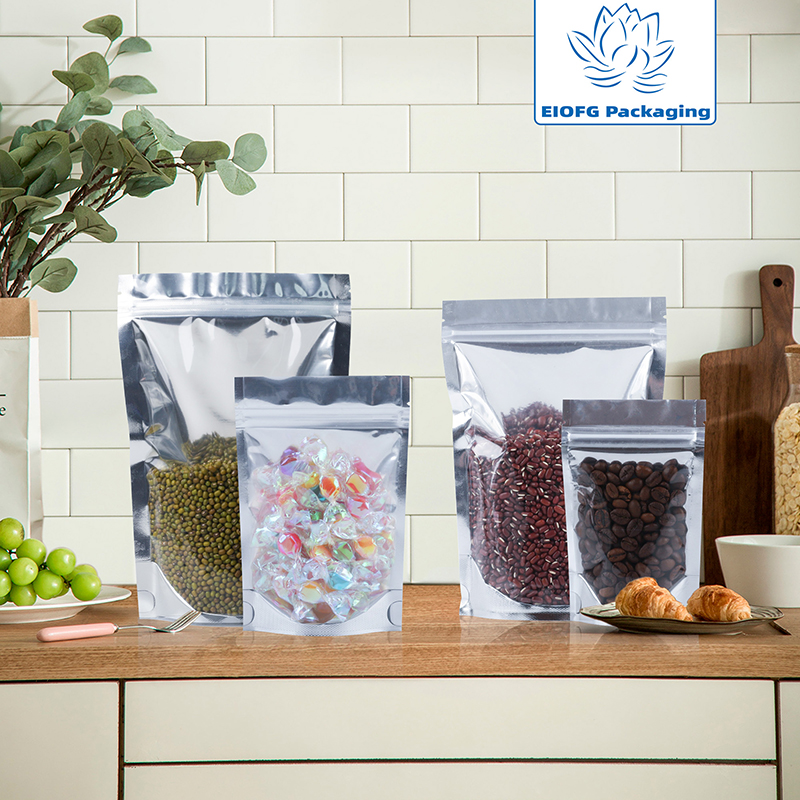
Format versatility drives massive adoption across grocery categories. Different food types require distinct structural profiles. A flexible plastic food pouch adapts easily to these demands. Stand-up pouches dominate dry goods and snacks because they command shelf attention. Flat-bottom bags mimic traditional cereal boxes but use far less plastic. Pillow pouches remain the standard for single-serve items and potato chips.
You must map physical features to consumer outcomes. Successful brands design packaging around the user experience. Adding specific functional elements improves how consumers interact with your product daily.
The packaging-to-product ratio represents a massive operational advantage. Rigid containers weigh heavily compared to the food inside. Flexible formats house high product volumes inside minimal material weights. A few grams of film can hold pounds of coffee or flour. This metric is absolutely critical for optimizing your Plastic Food Packaging spend. You buy less material while delivering more product safely.
Shelf-life engineering relies on strict barrier properties assessment. You cannot guess how a film will perform. Procurement teams must evaluate two critical technical specifications. Oxygen Transmission Rate (OTR) measures how much oxygen passes through the film. Moisture Vapor Transmission Rate (MVTR) tracks water vapor movement. Keeping these numbers low prevents premature food spoilage.
Modern films rely on complex material stratification. This is the multi-layer reality of flexible formats. A single bag often contains three distinct functional layers glued together. Each layer performs a specific, non-negotiable job for product safety.
| Layer Type | Common Materials | Primary Function |
|---|---|---|
| Structural Layers | PET, PE, or BOPP | Provides printability, scuff resistance, and tensile strength. |
| Barrier Layers | Aluminum foil, Metallized films, EVOH | Blocks UV light, oxygen, and moisture ingress effectively. |
| Sealant Layers | LLDPE (Linear Low-Density Polyethylene) | Melts under pressure for secure, reliable heat sealing. |
Balancing these layers involves calculated cost trade-offs. High-barrier films cost significantly more upfront. EVOH and aluminum foil drive up the initial unit price. However, they deliver incredible return on investment. They extend retail shelf life by months. They also drastically reduce costly spoilage claim rates from retail partners.
Packaging food requires meeting strict regulatory baselines safely. You must verify compliance for direct food contact continuously. In the US, the FDA governs these rules. In Europe, the EFSA sets the standards. You must pay special attention to migration limits. Inks and adhesives cannot leach into the food supply under any circumstances.
We must address the recycling reality check transparently. Traditional multi-material flexible films are notoriously difficult to recycle. Municipal sorting facilities cannot separate glued layers of PET, aluminum, and PE. Consequently, most of these wrappers end up in landfills. Brands must avoid making false recyclability claims to maintain consumer trustworthiness.
The industry is rapidly developing emerging solutions. Many brands are transitioning to "Recycle-Ready" mono-material PE structures. These bags use only polyethylene, making them eligible for store drop-off recycling programs. However, you face notable trade-offs. Mono-materials typically have a narrower processing window on commercial sealing equipment. They also offer slightly lower barrier performance compared to heavy EVOH or foil laminates.
Extended Producer Responsibility (EPR) legislation is changing the financial landscape. Looming compliance taxes will penalize brands producing heavy, unrecyclable waste. Governments charge fees based on packaging weight. Lightweighting your products through flexible formats actively mitigates future financial exposure. You pay fewer taxes because you generate less physical waste.
Transitioning packaging formats requires extensive equipment integration planning. You must assess the capital expenditure needed accurately. Retrofitting rigid container lines is often impossible. You will likely need to invest in Vertical or Horizontal Form-Fill-Seal (VFFS/HFFS) machinery. This equipment requires significant floor space and high upfront capital.
Alternatively, many brands evaluate the toll-packing route initially. Outsourcing to a co-packer lowers your initial capital expenditure. Purchasing pre-made pouches allows you to fill products semi-automatically. This approach reduces financial risk during market testing.
Here is a simple chart comparing rollout strategies:
| Rollout Strategy | Capital Expenditure | Setup Speed | Best Use Case |
|---|---|---|---|
| Pre-made Pouches | Low | Fast | Small batch runs, market testing |
| Toll-Packing (Co-man) | Low | Medium | Outsourced rapid production scaling |
| VFFS/HFFS Machinery | High | Slow | High volume, continuous in-house runs |
Supply chain vulnerabilities present another major hurdle. Custom-printed rollstock often carries long lead times. You might wait twelve weeks for film delivery. You must also manage Minimum Order Quantities (MOQs) carefully. Over-ordering ties up cash flow. Under-ordering halts your production lines entirely.
Seal integrity risks ruin product launches. You must identify common failure points during the switch. Improper heat-seal calibration causes supply chain leakers. If temperatures run too low, the LLDPE layer fails to bond. If temperatures run too high, the structural PET layer melts. Rigorous machine testing prevents these disastrous outcomes.
You must evaluate vendor capabilities beyond basic price per unit. A cheap bag often results in costly machine downtime. Require advanced capabilities in high-definition flexographic or digital printing. Digital presses handle SKU proliferation beautifully. They allow you to run small batches for seasonal flavors without expensive printing plates.
Quality assurance and certification are non-negotiable requirements. You must mandate strict manufacturing standards. Look for BRCGS, SQF, or equivalent GFSI-recognized certifications. These accreditations ensure food safety compliance at the manufacturing level. An uncertified vendor exposes your brand to severe recall risks.
Prototyping and testing protect your investment. Never commit to commercial scale-up without physical data. Ensure the vendor provides extensive shelf-life testing. Demand burst testing to simulate warehouse stacking pressure. Conduct drop testing to see how the seals handle rough courier handling. Hard data prevents costly packaging failures later.
The dominance of the flexible plastic food pouch across retail is undeniable. This shift is driven by measurable reductions in freight costs, highly improved barrier technologies, and maximum retail shelf efficiency. Brands abandoning heavy glass and metal immediately realize logistical savings.
However, successful adoption requires deliberate execution. You must implement rigorous vendor vetting protocols. You need realistic sustainability goals centered around mono-materials. Finally, you must ensure precise alignment with your existing filling equipment capabilities. By following these steps, you protect your product and your profit margins simultaneously.
A: Yes, it is significantly cheaper when calculating overall landed costs. While the unit cost of Plastic Food Packaging varies, the true savings come from logistics. Flexible formats weigh a fraction of glass. They allow you to ship vastly more units per pallet. This drastically reduces your freight and warehousing expenses.
A: Traditional multi-material structures cannot be recycled curbside. Glued layers of foil and plastic confuse municipal sorting machines. However, the industry is shifting toward mono-material PE structures. A modern mono-material flexible plastic food pouch can often be recycled through designated retail store drop-off programs.
A: MOQs depend entirely on the printing method. Digital printing allows for incredibly low MOQs. You can often order just a few thousand units for market testing. Conventional flexographic printing requires physical plates and extensive setup. Flexo runs typically demand MOQs of 10,000 to 50,000 units to achieve economies of scale.
A: Flexible pouches extend shelf life remarkably well. They utilize high-barrier layers like EVOH to block oxygen and moisture completely. Furthermore, these bags seamlessly support modified atmosphere packaging (MAP). Manufacturers flush the bags with nitrogen before sealing, which halts oxidation and preserves perishable foods much longer.