

Stand Up Pouches have become an increasingly popular packaging choice due to their versatility, cost-effectiveness, and ability to enhance product visibility on retail shelves. Their self-standing feature makes them an ideal solution for products ranging from food and beverages to cosmetics and household goods. However, as sustainability becomes a growing concern in the packaging industry, there is increasing demand for environmentally friendly options. Consumers and businesses alike are pushing for recyclable packaging solutions to reduce waste and minimize the environmental impact of single-use plastics. As such, the recyclability of Stand Up Pouches is a key consideration, with manufacturers focusing on developing more sustainable materials and recycling technologies to meet these demands.
Stand Up Pouches are constructed using a combination of plastics, laminates, and foils, each contributing specific functional properties to the overall performance of the pouch. These materials are chosen for their ability to provide strength, flexibility, and protection for the contents inside.
The most common plastics used in Stand Up Pouches include polyethylene (PE), polypropylene (PP), and polyester (PET). These materials are lightweight, durable, and offer excellent sealing properties. They provide flexibility for easy storage and transport, while also ensuring that the pouch maintains its shape when standing upright. Polyethylene (PE) is particularly used for its moisture barrier, while polypropylene (PP) offers strength and heat resistance.
Stand Up Pouches often incorporate laminated layers to enhance their barrier properties. Laminates are typically created by fusing multiple materials together, such as a layer of plastic combined with foil or paper layers. These laminates protect the contents from external elements like oxygen, light, and moisture, which helps extend shelf life and maintain product quality. The layers can be tailored depending on the specific needs of the product being packaged, such as food, cosmetics, or chemicals.
Aluminum foil is commonly used in Stand Up Pouches, primarily for its barrier properties. It helps prevent air, moisture, and light from compromising the contents of the pouch. Foils are often used in the middle layer of a multi-layer pouch, or as part of the bottom gusset that allows the pouch to stand. This layer is particularly valuable for preserving products like coffee, snacks, and liquids that require long shelf lives or protection from environmental factors.
While the multi-layer composition of Stand Up Pouches offers significant benefits in terms of product protection, it presents challenges for recyclability. The use of different materials—plastics combined with foils—makes it difficult for conventional recycling systems to process them efficiently. Here’s why:
Separation Complexity: The layers of materials need to be separated before they can be recycled. This process can be complex and costly, and many recycling facilities are not equipped to handle the separation of multi-layered pouches.
Limited Recycling Infrastructure: Many areas do not have the necessary infrastructure to recycle multi-layer pouches, particularly those with foil or mixed materials. As a result, these pouches often end up in landfills rather than being properly recycled.
The recyclability of Stand Up Pouches is influenced by:
Material Composition: Pouches made from a single material (mono-material) are easier to recycle than multi-layer ones. Polyethylene (PE) pouches are easier to recycle compared to those that mix plastic with foil.
Local Recycling Capabilities: Some areas lack the infrastructure to process multi-layer pouches. Recycling success depends on local facilities’ ability to handle complex materials.
Separation of Materials: Multi-layer pouches need to be separated before recycling, which many facilities aren’t equipped to do, making recycling more challenging.
Multi-layer pouches, often combining plastic and foil, are hard to recycle due to:
Material Bonding: Layers are tightly bonded, making them difficult to separate during recycling.
Lack of Standardized Recycling: Not all facilities have the technology to handle multi-layer pouches, limiting recycling options.
Contamination: Residues from food or liquids can contaminate the recycling process, complicating efforts.
The recyclability of Stand Up Pouches varies by material:
Polyethylene (PE): PE-based pouches are recyclable in many curbside programs, especially if they are mono-material, but multi-layer PE pouches with foil are harder to process.
Polypropylene (PP): PP-based pouches are recyclable, but fewer recycling programs accept them compared to PE.
Aluminum Foil and Laminates: Foil layers complicate recycling, requiring specialized systems that are not widely available, leading to more waste.
As demand for sustainable packaging rises, significant innovations have been made in developing recyclable and eco-friendly materials for Stand Up Pouches. Manufacturers are increasingly using mono-material pouches made from a single type of plastic, such as polyethylene (PE), which is easier to recycle compared to multi-layered pouches. There are also bio-based plastics derived from renewable resources, like PLA (polylactic acid), which are designed to offer similar benefits while being more environmentally friendly. These innovations aim to reduce the reliance on traditional, harder-to-recycle materials while maintaining the performance and shelf-life of the packaging.
Several brands are already taking steps toward more sustainable packaging:
Unilever: Unilever has committed to using 100% recyclable plastic packaging, including Stand Up Pouches, by using mono-material pouches made from PE and PP, which are more compatible with recycling systems.
Nestlé: Nestlé is exploring the use of biodegradable materials for its packaging, including Stand Up Pouches made from plant-based and compostable materials, as part of their broader sustainability efforts.
PepsiCo: PepsiCo is working with recyclable polyethylene-based films for their snack products, aiming to create a circular economy for packaging by improving the recyclability of their Stand Up Pouches.
These examples demonstrate the growing trend of using recyclable films or biodegradable alternatives, helping manufacturers meet consumer demand for eco-friendly products and reduce their environmental footprint.
Brands play a critical role in driving the shift towards recyclable packaging. By investing in sustainable packaging options like recyclable Stand Up Pouches, brands can:
Set Industry Standards: Major brands can set an example by integrating recyclable or biodegradable options into their product lines, influencing the packaging industry as a whole.
Educate Consumers: Brands have the platform to educate consumers on the importance of recycling and proper disposal of packaging, making it easier for consumers to participate in sustainability efforts.
Commit to Circular Economy: Many brands are committing to a circular economy, where packaging materials can be reused or recycled indefinitely, closing the loop on product waste.
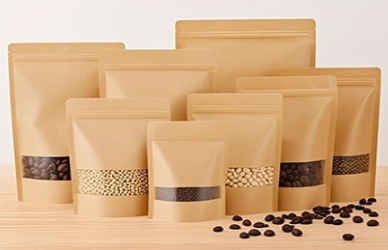
Recycling Stand Up Pouches requires proper disposal and the right collection systems:
Check Local Guidelines: Not all facilities accept multi-material pouches. Verify with local recycling programs if they accept them.
Clean Before Recycling: Ensure pouches are free of food or liquid residues, as contamination can hinder the recycling process.
Separate Materials (When Possible): If the pouch has mixed materials like plastic and foil, follow guidelines for separating layers if required.
Use Dedicated Collection Points: Some areas provide collection bins for flexible packaging. Look for such bins to ensure proper disposal.
To identify recyclable Stand Up Pouches:
Look for Recycling Symbols: Check for recycling symbols or labels like PE or PP to indicate recyclability.
Check Material Information: Brands often label their pouches as mono-material, making them easier to recycle.
Manufacturer Programs: Many brands provide clear recycling instructions as part of sustainability efforts, helping consumers dispose of pouches correctly.
Local recycling programs are vital for managing multi-material pouches:
Specialized Facilities: Some areas have systems to handle flexible packaging, ensuring proper recycling.
Advanced Sorting: Facilities with advanced technology can separate materials in multi-layer pouches for recycling.
Consumer Education: Local programs educate consumers on recycling practices, helping improve recycling rates for Stand Up Pouches.
Not all Stand Up Pouches are recyclable due to the multi-layer materials they are made from. Some pouches may be accepted in specific recycling programs.
Stand Up Pouches often require separate recycling processes and may not be accepted in the same bins as plastic bottles. Check local guidelines.
Pouches made from single-material plastics like polyethylene (PE) or polypropylene (PP) are easier to recycle compared to multi-layer options.
Manufacturers are exploring recyclable films, biodegradable options, and mono-material pouches to improve sustainability and ease of recycling.
The recyclability of Stand Up Pouches remains a challenge due to their multi-layer construction, which often combines materials like plastic, foil, and laminates. While mono-material pouches made from materials like polyethylene (PE) or polypropylene (PP) are easier to recycle, many multi-layer pouches require specialized recycling systems that are not widely available. As the demand for sustainable packaging grows, it’s crucial for the packaging industry to continue innovating, exploring materials like biodegradable plastics, and improving recycling technologies. Ongoing innovation and the expansion of recycling infrastructure are key to improving the sustainability of Stand Up Pouches, ensuring that they can be more easily processed, reused, and reduced in environmental impact.


