

Stand Up Pouches (SUPs) have become an increasingly popular choice in the packaging industry due to their versatility, convenience, and ability to enhance product presentation. These pouches are designed to stand upright on shelves, providing excellent visibility for the product and making them ideal for retail displays. The unique self-standing feature, combined with the ability to be sealed tightly, ensures the contents are protected from air and moisture, helping to preserve freshness. Stand Up Pouches are widely used across various industries, including food and beverage, cosmetics, household goods, and more. Whether for snacks, liquids, or powders, they offer a lightweight, durable, and cost-effective packaging solution. In this article, we will guide you through the process of filling Stand Up Pouches efficiently, ensuring optimal packaging results that maintain product quality and appeal.
One of the key advantages of Stand Up Pouches is their ability to stand upright on store shelves. Unlike traditional flat bags or boxes, these pouches maintain a stable, self-supporting structure, which increases visibility and improves the product’s presence on the shelf. This feature allows products to be easily noticed by customers, helping to boost brand exposure and drive sales. The dynamic design of Stand Up Pouches also provides ample space for eye-catching graphics, branding, and labels, which further enhances their appeal in a competitive retail environment.
Stand Up Pouches are a great solution for businesses looking to optimize storage and reduce shipping costs. Unlike rigid containers like bottles or boxes, these flexible pouches are lightweight and take up less space. Their unique design enables them to be stacked more efficiently, maximizing the use of storage space in warehouses or during transport. Furthermore, the reduced weight and compact nature of Stand Up Pouches help to lower shipping costs, especially when transporting large quantities, making them a cost-effective packaging option for both manufacturers and retailers.
Stand Up Pouches are incredibly versatile and suitable for a broad range of products across various industries. Whether you're packaging food items such as snacks, coffee, or frozen meals, or household goods like detergents, pet food, or cosmetics, Stand Up Pouches provide an excellent solution. These pouches can be made from various materials, including plastic, foil, and biodegradable options, to suit different types of products. They are also customizable in terms of size, seal types, and features like spouts or zip closures, making them adaptable to nearly any packaging need. This flexibility makes Stand Up Pouches a popular choice for companies looking for both functionality and aesthetic appeal in their packaging.
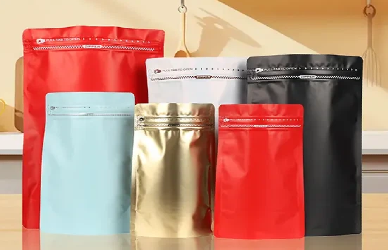
Before starting the filling process, it is essential to thoroughly inspect each Stand Up Pouch to ensure it is free from any defects or damage. Check for any holes, tears, or weak seams that could compromise the integrity of the pouch and lead to leaks or product contamination. If defects are found, discard the faulty pouches and replace them with new ones to ensure the best possible quality for your product. Additionally, make sure the pouches are correctly oriented and ready for the filling process, whether that involves positioning the spout at the top or preparing for a zipper closure.
The method you use to fill Stand Up Pouches depends on the scale of your production. For small runs or artisanal products, manual filling might be sufficient. This involves hand-pouring or using a simple filling device, making it ideal for low-volume production where precision and speed are not critical. However, for larger production runs, automatic filling machines are recommended. These machines are designed to handle high volumes efficiently, ensuring consistent filling quantities and faster processing times. Depending on your specific product, you may also choose between different types of automatic filling equipment, such as auger fillers, volumetric fillers, or vacuum fillers.
To maintain consistency in your packaging, it's important to control several aspects of the filling process. Adjust the filling volume to ensure each pouch contains the correct amount of product, whether it’s a solid, liquid, or powder. Speed is another crucial factor; optimize the filling speed to balance production efficiency with accuracy. Finally, ensure precision in each fill to avoid overfilling or underfilling the pouches, which could lead to wasted material or product spillage. Regular calibration and checks of your filling equipment can help maintain high standards and avoid discrepancies between pouches.
Once the pouch is filled, it is essential to seal it properly to ensure the product remains fresh and secure. The most commonly used sealing method is heat-sealing technology, which uses heat to fuse the top of the pouch together. This creates a strong, airtight seal that prevents leaks, contamination, or spoilage of the product. Make sure that the sealing machine is set to the correct temperature and pressure, as improper sealing can cause weak seals or damaged pouches. For added security, some pouches come with additional features like zip locks, which can be sealed after the initial heat sealing to create a tamper-proof closure that preserves the product's freshness over time.
When it comes to filling Stand Up Pouches, the choice between manual filling and automated filling depends primarily on your production scale, budget, and product type.
Manual Filling:
Manual filling is ideal for small-scale or custom packaging runs. It typically involves hand-pouring or using basic filling equipment, like a simple funnel or pump. This method is often used by artisanal producers, startups, or businesses with low-volume needs. The main advantage of manual filling is its low upfront cost and flexibility for smaller quantities. However, it is time-consuming, labor-intensive, and might not ensure precise filling consistency for larger batches.
Automated Filling:
On the other hand, automated filling systems are designed for high-volume production. These systems offer speed, precision, and consistency and are typically used by larger manufacturers who need to fill thousands of pouches quickly and efficiently. Automated filling machines can fill the pouches to an exact volume, reducing human error and minimizing product wastage. The initial investment cost is higher compared to manual methods, but the long-term benefits in terms of speed, accuracy, and reduced labor costs make it an attractive choice for large-scale operations.
Choosing the right filling equipment for your Stand Up Pouches also depends on the type of product you're packaging. Different products require different filling technologies to ensure accuracy and efficiency.
Vacuum Fillers:
Vacuum fillers are especially suited for products that are liquid, semi-liquid, or powdered. These machines work by creating a vacuum that draws the product into the pouch, which helps to fill it efficiently while reducing air pockets and preventing product leakage. Vacuum filling is ideal for products such as sauces, oils, and soups that need to be filled with high precision and minimal spillage. This method ensures a clean fill, and it's commonly used in food packaging.
Auger Fillers:
Auger fillers are perfect for powdered or granular products such as coffee, sugar, flour, or spices. The auger system uses a rotating screw to push the product into the pouch in precise quantities. This type of filling equipment is highly accurate and ensures that even small, fine powders are filled into pouches with minimal waste. Auger fillers are typically used when the product requires a controlled, uniform amount in each pouch, especially when dealing with dry goods.
Stand up pouches offer better shelf visibility, space optimization, and product preservation with a secure, airtight seal.
Yes, manual filling works for smaller runs, but automated filling systems are recommended for large-scale production for better consistency and speed.
Auger and vacuum fillers are ideal for precise, high-volume filling, ensuring efficiency and accuracy during the process.
Use a heat-sealing machine to create a secure, airtight seal that prevents leaks and preserves the product quality.
In summary, filling Stand Up Pouches efficiently requires attention to detail at every step, from preparation to sealing. Ensuring the pouch is free from defects, selecting the appropriate filling method (manual or automated), and controlling the filling volume, speed, and precision are all essential for maintaining consistency and product quality. Additionally, choosing the right type of filling equipment, such as vacuum fillers for liquids or auger fillers for powders, helps streamline the process and optimize packaging efficiency. Finally, sealing the pouch properly with heat-sealing technology ensures a secure, airtight closure that preserves the product's freshness. By following these best practices, businesses can achieve high-quality packaging that enhances product presentation, extends shelf life, and reduces waste, making Stand Up Pouches a valuable choice for a wide range of products.


