


Author: Site Editor Publish Time: 12-11-2026 Origin: Site


Running out of packaging right before a major roast day is a nightmare. Supply chain unpredictability brings production lines to a sudden halt. An efficient roasting schedule quickly turns into a logistical mess, leaving your customers waiting. Navigating wholesale packaging procurement requires more than picking a pretty design. It demands a rigorous understanding of the engineering and logistical variables dictating when materials actually hit your warehouse floor.
In this guide, we peel back the layers of the supply chain. We will uncover exactly what drives lead time for wholesale coffee packaging, from the initial pre-press design phase to final delivery at your roastery door.
Stock vs. Custom: Utilizing ready-to-ship pouches offers the fastest turnaround, whereas custom projects require an extended timeline for bespoke manufacturing.
Pre-Production Matters: The design sign-off phase is a frequent bottleneck. Streamlining communication here eliminates weeks of unnecessary delays.
Printing Techniques: Cylinder engraving extends initial setup times compared to the faster, tool-free digital printing process.
Logistics are Crucial: Your chosen freight method is the final variable defining your receipt date.
Planning is Everything: Accurately forecasting inventory and maintaining a relationship with a reliable manufacturer are your best defenses against operational downtime.
To effectively manage a coffee roastery supply chain, you must first define what this timeline actually represents. In the packaging sector, timelines are never arbitrary. They are the sum of sequential manufacturing and logistical milestones. It is essential to realize that this period is the total elapsed time from the moment a purchase order is processed to the moment finished goods are unloaded at your facility. It is not merely the time it takes to print a roll of film.
Procurement managers should view this timeline through three distinct lenses: the pre-production planning phase, the physical manufacturing phase, and the final transit period. Miscalculating these dates has severe bottom-of-funnel implications. Packaging is a primary dependency for product distribution. Without protective pouches, roasted coffee cannot be shipped. This leads to stalled production lines and the rapid staling of high-quality beans.
Furthermore, global supply chain volatility has fundamentally reshaped procurement strategies. Recent market shifts highlight that raw material shortages—particularly for sustainable films like PLA or high-barrier EVOH—have extended baseline manufacturing schedules across the entire sector. Roasters can no longer rely on just-in-time inventory models. Maintaining lean stock while securing a consistent brand presence is now a critical survival metric. Inaccurate forecasting directly impacts cash flow and storage costs, making proactive planning a massive competitive differentiator.
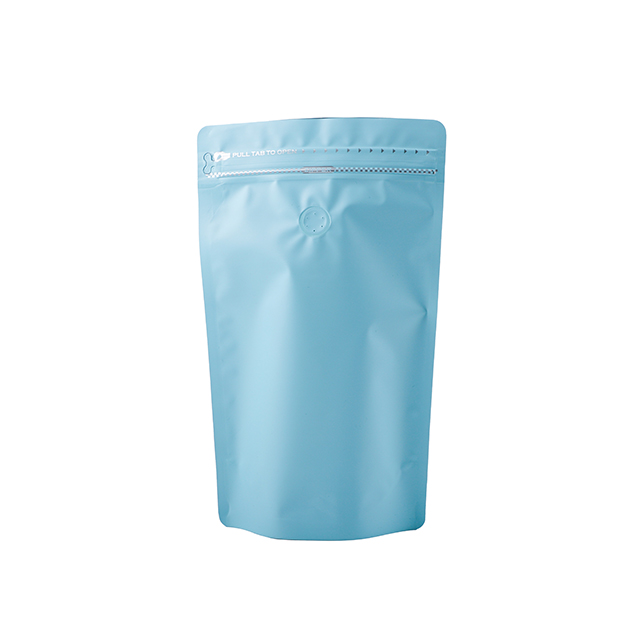
The most critical decision in your procurement strategy is whether to purchase off-the-shelf solutions or invest in custom manufacturing. This choice creates a fundamental shift in your expected timeline and operational flexibility.
Stock Coffee Bags are pre-manufactured, unprinted pouches kept in a supplier warehouse. Because the extrusion, lamination, and conversion phases are already complete, the timeline is reduced strictly to order processing and transit. This typically spans just three to seven business days. Premium in-stock options often feature matte finishes, WIP one-way degassing valves, and robust PET/VMPET/PE material structures in standard 250g, 500g, and 1kg capacities. This rapid deployment serves as an ideal bridge for startup roasteries testing new markets or brands applying manual labels.
Conversely, ordering custom packaging requires a significantly more robust timeline. These bespoke projects generally demand four to eight weeks from order placement to factory completion, excluding international shipping. This extended duration is a strict necessity of building a product from scratch. Engineers must calibrate specific bag sizes, extrude high-barrier films for oxygen and moisture resistance, and execute brand-specific print runs.
Packaging Type | Average Lead Time | MOQ Requirement | Best Application Scenario |
|---|---|---|---|
In-Stock Pouches | 3 to 7 Days | Low | Emergency restocks, startups, labeled seasonal roasts |
Custom Printed | 4 to 8 Weeks + Transit | High | Established retail brands, massive wholesale distribution |
Before a single drop of ink touches a roll of film, administrative and design alignment must occur. This pre-production phase is heavily dependent on buyer responsiveness. It is frequently the most common source of preventable delays.
The process initiates with dielines. These flat, two-dimensional templates dictate how the bag will be cut, folded, and heat-sealed. Submitting artwork that perfectly aligns with these engineering specifications is vital. Design files must be submitted in high-resolution vector formats using the CMYK color space. When artwork arrives with incorrect bleed margins or low-resolution elements, the prepress department must halt the workflow. This back-and-forth cycle between your creative team and the factory engineers easily adds weeks to your schedule.
Once files are properly formatted, the manufacturer generates a digital proof. This proof acts as a binding contract for the visual output of your packaging. Obtaining formal Artwork Approval is a mandatory checkpoint. The factory will not proceed to physical production until this sign-off is received. If your brand demands extreme color precision, requesting a physical hard-copy proof is highly recommended. While this adds one to two weeks to the schedule, it serves as an invaluable insurance policy against unexpected color variations on the final shelf product.
The method chosen to apply your design to the packaging substrate fundamentally alters the production schedule. Different printing technologies carry unique setup requirements, particularly for your initial order.
Gravure Printing is the industry standard for high-volume, premium flexible packaging. It involves engraving your design onto solid copper cylinders, requiring one dedicated cylinder for each color in your artwork. The manufacturing of these cylinders is a meticulous engineering process that adds one to two weeks to your initial order timeline. However, this is a front-loaded investment. Since the factory retains these cylinders in storage, future reorders bypass the engraving phase entirely. This causes subsequent lead times to drop significantly. Gravure is favored by large-scale operations for its unmatched color consistency and high-speed output.
Alternatively, digital printing functions much like a high-end commercial printer. It transfers digital files directly onto the substrate without needing plates or cylinders. Eliminating the tool-making process saves valuable time on initial runs. This makes it an excellent choice for short-run seasonal roasts or brands looking for a rapid market entry. Decision-makers must weigh this speed against unit economics. Digital printing often carries a higher per-unit cost at mass-wholesale volumes compared to traditional gravure methods.
Once the printing phase concludes, the material exists as a flat roll of film. Transforming this into a functional, protective pouch involves a complex sequence of chemical and mechanical processes.
Coffee bags must be constructed from multiple protective layers to keep the product fresh. A standard high-barrier structure utilizes PET for structural integrity, Aluminum foil or EVOH for oxygen and moisture blocking, and LLDPE for reliable heat sealing. These layers are bonded through lamination. A mandatory curing period in an environmentally controlled room follows immediately. This allows the adhesives to fully cross-link and harden. Rushing this stage is a massive operational risk. Uncured bags will delaminate under the weight of the coffee.
Finally, the cured film moves to the conversion stage. Heavy machinery folds, gussets, and heat-seals the material into three-dimensional pouches. This phase also integrates functional hardware. One-way degassing valves, resealable pocket zippers, or tin ties are applied here. Each feature requires precise mechanical calibration. The more complex your bag functionality, the more care is required during the conversion line to ensure absolute seal perfection.
After your bags pass rigorous quality inspections and are packed into cartons, the logistics phase begins. Moving finished goods from the factory floor to your warehouse is a major variable in your overall turnaround time.
For international wholesale procurement, buyers must weigh the balance between speed and cost through their chosen Shipping Schedule. Air freight is the expedited option. It offers delivery in five to ten business days. It is highly reliable for urgent restocks. However, it is priced by volumetric weight, making it cost-prohibitive for massive bulk shipments. Sea freight remains the industry standard due to its unmatched cost-effectiveness. The trade-off is time. Ocean transit ranges from 30 to 45 days, heavily dependent on port congestion and shipping lane availability.
Transit timelines are not solely dictated by time on the water. Once cargo reaches the destination port, it must clear customs. Missing documentation, random inspections, or seasonal port congestion unexpectedly hold up shipments. Experienced roasters consistently build a buffer of one to two weeks into their planning to account for these harsh logistical realities.
To avoid production stalls, procurement teams must move beyond a reactive mindset. Prioritize accurate inventory forecasting immediately. By analyzing historical sales data and factoring in a strict safety stock buffer, you can trigger reorders long before your shelves look empty. If your roastery consumes 200 bags a day and your supplier requires 45 days for delivery, calculate a reorder point that accounts for both your daily burn rate and any potential transit delays.
Specifically, consider adopting a hybrid packaging strategy. Relying solely on custom-printed bags creates an inherent operational vulnerability. Many successful brands maintain a reserve of unprinted, valved pouches for emergency fills or sudden B2B client acquisitions. Keeping these on hand allows you to use custom labels to maintain professional branding while waiting for your primary custom order to arrive.
Always prioritize a partnership with an experienced manufacturer. A supplier offering in-house formatting and dedicated account management will catch potential design errors before they become costly production bottlenecks. This ensures your packaging supply remains as reliable as your roast profile.
Understanding the strict drivers of production schedules allows you to take control of your supply chain rather than being a victim of it. Whether opting for the immediate availability of neutral pouches or the premium finish of custom gravure-printed packaging, the key lies in proactive planning and clear communication. Streamlining your approval processes and working with reliable manufacturing partners ensures your materials arrive exactly when you need them.
Ready to optimize your packaging procurement? Whether you need the rapid deployment of premium in-stock pouches or fully customized gravure-printed bags, choosing the right manufacturing partner makes all the difference. Explore reliable, high-barrier solutions tailored to your roastery's exact specifications at Mstar Packaging to keep your production line moving without delay.
The timeline for custom wholesale coffee packaging typically ranges from 4 to 8 weeks. This period is split into three phases: 1 to 2 weeks for pre-production and artwork proofing, 2 to 3 weeks for manufacturing and conversion, and the final transit time. If you choose air freight, expect delivery within 5 to 10 days. Sea freight adds 30 to 45 days to your total timeline.
Ready-to-ship pouches provide the fastest turnaround in the industry. Most orders are processed and dispatched within 3 to 7 business days. Because these products are already manufactured and sitting in inventory, they effectively bypass the entire production queue. This makes them an ideal rapid-response solution for unexpected stockouts.
For your very first order, yes. Traditional cylinder printing requires the physical engraving of custom copper rollers for each color in your design. This adds 1 to 2 weeks to the initial timeline. Digital printing transfers designs directly to the material, making the first run significantly faster. However, for reorders, the gap closes. Once your cylinders are created and safely stored, printing speed for large runs is highly efficient and economically competitive.
The most frequent bottleneck is the design sign-off phase. Manufacturers cannot begin production without official approval on digital or physical proofs. Common issues like incorrect file formats, missing bleed margins, or color profile mismatches force files back to the design team. This creates a cycle of revisions that easily delays a project by weeks.
Global supply chain disruptions severely impact raw material availability. Shortages in specialized barrier films, degassing valves, and eco-friendly resins can temporarily halt production lines. Furthermore, port congestion and fluctuating freight capacities extend transit times unpredictably. Brands are combatting this by shifting from just-in-time models to maintaining higher safety stock levels.
Minimum order quantities depend heavily on the chosen printing technology. Digital printing allows for lower minimums, often starting around 1,000 to 5,000 units, making it accessible for limited edition roasts. Traditional cylinder printing requires higher minimums, typically starting at 10,000 units per SKU, due to the extensive mechanical setup and material waste involved in calibrating the presses.
Yes, you can expedite your order by choosing a faster freight method. Utilizing air freight saves several weeks of transit time compared to standard ocean freight. Additionally, some manufacturers offer rush production services for an additional fee, moving your order to the front of the manufacturing queue. It is always wise to compare the cost of these premium services against the potential loss of revenue from production downtime.


