


Author: Site Editor Publish Time: 16-08-2026 Origin: Site


Inadequate packaging during long-distance freight operations carries a massive operational penalty. You open a trailer door at the destination only to find crushed cartons, spoiled goods, and shifted pallets. These rejected loads directly impact your bottom line through product breakage and replacement delays. Long-distance logistics present a constant conflict. You must balance maximum product protection against dimensional weight penalties. You also have to account for transit-specific stressors like continuous vibration, humidity spikes, and multi-node handling. Carrier schedule unpredictability further complicates the equation. Extended transit times mean your goods face prolonged exposure to harsh conditions. Solving this requires a systematic, evidence-based framework for evaluating Transport Packaging. You need to select materials based on specific transit modes and product fragility. Compliance standards dictate material selection. By matching the structural integrity of your materials to the exact route, you minimize damage and optimize freight spend.
Mode-Specific Matching: Transport packaging materials must be engineered to withstand the unique stressors of the chosen transit mode (e.g., continuous low-frequency vibration in road freight vs. moisture and salt exposure in ocean freight).
Compliance Over Convenience: Specialized requirements, such as cold-chain logistics or international freight, demand certified, compliance-driven packaging (e.g., ISPM-15, UN-certified) rather than standard off-the-shelf corrugated options.
Empirical Validation: Never deploy a new packaging configuration at scale without standardizing testing protocols (ISTA, ASTM) to validate structural integrity.
Multi-node transfers introduce severe mechanical stressors to your freight. Forklifts drop pallets. Conveyors jam. Automated sorters subject cartons to dynamic compression. Shock events occur during cross-docking when workers hastily move freight between trailers. Continuous vibration degrades material strength over thousands of miles. A box holding 500 pounds in a static warehouse collapses under 200 pounds of dynamic load inside a moving truck.
Environmental stressors compromise structural integrity over extended transit times. Extreme temperature fluctuations cause condensation inside trailers. Humidity spikes soften corrugated fibers. This reduces stacking strength by up to fifty percent. Atmospheric pressure changes during air transit cause sealed containers to expand or rupture. You must map packaging durability directly to carrier delivery schedules. Account for potential delays, extended warehousing, and prolonged exposure to the elements during long-distance routing. A shipment sitting in a rail yard for three extra days faces entirely different environmental loads than one moving continuously.
You must define acceptable damage rates versus the financial cost of over-packaging. Zero damage is rarely cost-effective. Achieving it requires excessive material that inflates freight costs. Establish a baseline metric balancing product replacement costs against packaging expenditures.
Conduct a product fragility assessment to determine exact cushioning needs. This involves calculating the G-factor requirements of your specific items. The G-factor measures the maximum deceleration a product withstands before breaking. Highly fragile items like electronics have a low G-factor, typically between 15 and 40G. Rugged mechanical parts have a high G-factor, often exceeding 80G. Match your cushioning density and thickness precisely to this metric.
Follow these steps to establish baseline metrics:
Identify the critical velocity change for the product based on anticipated drop heights.
Determine the shock transmission characteristics of available cushioning materials.
Calculate the required bearing area to support the product weight without bottoming out.
Determine the exact thickness of cushioning needed to keep deceleration below the product's G-factor.
High-value goods face a significant risk of theft during multi-node cross-docking. Extended transit times increase the window of opportunity for pilferage. Thieves target clearly labeled, inadequately sealed freight sitting in sorting facilities.
You must evaluate structural deterrents to protect your shipments. Opaque stretch wrapping conceals the identity of the products on a pallet. Tamper-evident security tape leaves a permanent residue if removed. This instantly signals interference. Strapped unit loads make it difficult for opportunistic thieves to extract individual cartons without specialized tools.
Implementing physical barriers drastically reduces shrinkage during long-distance transport. Consider adding heavy-duty corner boards under the strapping. This prevents the straps from cutting into the cartons while adding rigid vertical support to the pallet load.
Road transport subjects freight to continuous low-frequency vibration. Potholes and uneven highways send shockwaves directly through trailer suspensions into your pallets. Sudden braking causes unsecured loads to shift violently forward. Forklift handling errors at busy cross-docking facilities frequently puncture cartons or splinter pallets.
Mitigating these risks requires specific structural solutions. Heavy-duty palletization forms the foundation of ground freight security. You must enforce strict stretch wrapping tension standards to bind the load into a single, rigid unit. Upgrading from an 80-gauge to a 120-gauge stretch film provides superior puncture resistance for irregular loads. Incorporate vibration-dampening cushioning for sensitive items. Foam-in-place polyurethane or engineered polyethylene foam absorbs road frequencies before they reach the product.
When shipping Less-Than-Truckload (LTL), your freight shares trailer space with unknown cargo. Your packaging must withstand side-impacts from heavier, irregularly shaped pallets loaded next to it. Eliminate pallet overhang entirely. Cartons extending past the edge of the pallet absorb 100% of the impact when pallets bump together in transit.
Ocean freight involves prolonged transit times stretching from weeks to months. Containers sit in port yards exposed to extreme weather. The primary risks include high humidity, salt-laden air, and severe container shifting caused by sea swells. Temperature cycles inside the container create container rain. Condensation drips directly onto your freight.
Standard corrugated boxes fail under these conditions without intervention. You need moisture barrier bags to seal out humidity. Calculate and insert the correct volume of desiccants to absorb trapped moisture. Heavy-duty export crating provides the necessary structural rigidity against side-to-side vessel rolling.
For metal components, Volatile Corrosion Inhibitor (VCI) packaging is mandatory. VCI molecules settle on metal surfaces, forming a microscopic layer that prevents rust during the voyage. Ensure all wood used in ocean freight blocking and bracing meets international treatment standards.
Air freight presents a completely different set of physical challenges. Rapid atmospheric pressure changes occur during ascent and descent. Unheated cargo holds experience sudden, extreme temperature drops. Airlines enforce strict dimensional weight penalties. Bulky packaging becomes financially ruinous.
You must utilize lightweight, high-strength composite materials for air transit. Pressure-vented containers prevent sealed bags or drums from bursting at high altitudes. Optimized volumetric footprints are non-negotiable. Every inch of wasted space increases your freight bill.
Design your outer cartons to fit tightly within standard airline Unit Load Devices (ULDs). This maximizes space utilization. Keep tare weight to an absolute minimum by replacing heavy wood pallets with corrugated or plastic alternatives where feasible.
Transit Mode Stressor Comparison
Transit Mode | Primary Mechanical Stressor | Primary Environmental Stressor | Critical Packaging Requirement |
|---|---|---|---|
Road Freight | Low-frequency vibration, sudden braking | Dust, moderate temperature shifts | Rigid unitization, stretch wrap tension |
Ocean Freight | Lateral shifting, container sway | Saltwater exposure, high humidity | Moisture barriers, export crating |
Air Freight | Turbulence, rapid acceleration | Pressure drops, freezing temperatures | Lightweight materials, pressure venting |
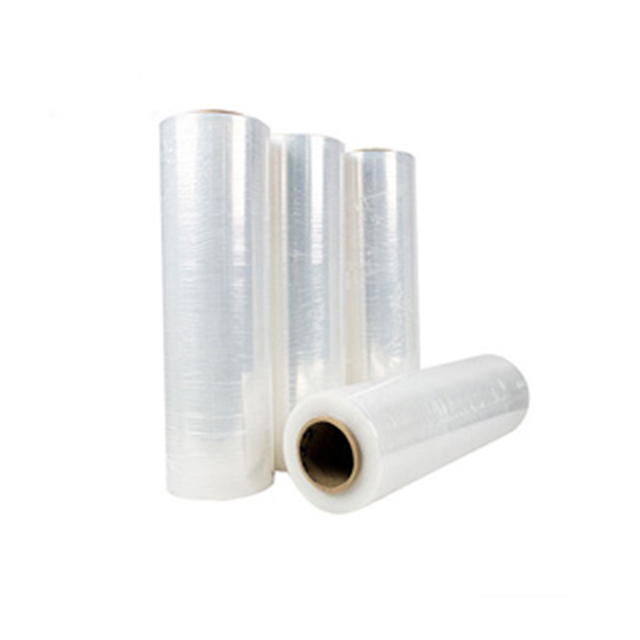
Corrugated fiberboard remains the backbone of global logistics. It offers an excellent strength-to-weight ratio. These solutions work best for standard retail goods, lightweight components, and secondary packaging applications. Single-wall corrugated handles light duty. Double-wall or triple-wall configurations support heavier industrial parts.
Corrugated materials have strict limitations. They are highly susceptible to edge-crush failure under heavy dynamic loads. Moisture degradation ruins their structural integrity over long transit times. Without specialized wax or polymer coatings, a damp corrugated box loses its stacking strength entirely.
You must evaluate the Edge Crush Test (ECT) rating. This ensures the box withstands warehouse stacking and transit compression. Do not rely solely on the Mullen Burst Test for long-distance freight. ECT provides a much more accurate measurement of how a box will perform at the bottom of a heavy pallet load.
Wood provides unmatched rigidity and load-bearing capacity. Wood crating and pallet systems are the standard for heavy machinery, oversized freight, and industrial equipment. A properly engineered wood crate protects sensitive machinery from forklift impacts and crane rigging stresses. Standard GMA 48x40 pallets work for general freight, but heavy industrial loads require custom block pallets for four-way forklift access.
International shipping introduces a strict evaluation dimension for wood materials. You must comply with mandatory ISPM-15 heat-treatment certification requirements. Customs authorities reject and quarantine freight if the wood lacks the official IPPC stamp.
This stamp proves the wood was heat-treated or fumigated to eradicate invasive pests. Never use uncertified raw wood for cross-border long-distance shipping. When designing crates, utilize diagonal bracing to prevent racking. Ensure the skid base accommodates standard forklift tines from all four sides.
Reusable and returnable transit packaging utilizes durable plastics, metals, or composites designed for multiple trips. These systems excel in closed-loop supply chains. They are ideal for high-value components and predictable long-distance routes where you control both the origin and destination.
Implementing RTP requires analyzing specific trade-offs. You face a higher upfront capital expenditure compared to expendable corrugated boxes. However, you measure this against the lower per-trip cost over a multi-year lifecycle.
RTP eliminates recurring disposable material costs. It improves sustainability metrics and provides superior, consistent protection against transit damage. You must implement a robust tracking system. Lost RTP assets quickly negate any operational savings. Use RFID tags or barcode scanning to monitor container inventory across your logistics network.
Transporting temperature-sensitive goods over long distances demands flawless thermal engineering. You must choose between active and passive insulated containers. Active containers use powered refrigeration units to maintain exact temperatures. They are reliable but heavy and require power sources. Passive containers rely on advanced insulation and chemical coolants to delay temperature shifts.
When using passive systems, evaluate the duration limits of your coolants. Phase Change Materials (PCMs) provide precise temperature control but require specific freezing protocols before use. Dry ice sublimates constantly. Its cooling power diminishes over extended, multi-day transit periods.
Reusable insulated containers must feature high-density impact absorption. They have to survive harsh warehouse handling while maintaining an unbroken thermal seal. Vacuum Insulated Panels (VIPs) offer maximum thermal resistance with minimal wall thickness, preserving valuable internal payload space.
Shipping hazardous materials triggers strict regulatory oversight. You must adhere to UN-certified packaging requirements. These regulations dictate exact performance standards for drop heights, stacking loads, and hydrostatic pressure resistance. A failure in hazmat packaging results in severe fines, carrier embargoes, and environmental hazards.
The packaging design must integrate accurate labeling and documentation directly into its structure. Tamper-evident seals are mandatory. For highly fragile goods accompanying hazmat shipments, the internal cushioning must prevent any movement that could puncture primary containers.
Custom-molded foam or engineered suspension systems isolate the fragile components from external shock. Use absorbent materials like vermiculite inside the secondary packaging. This contains any accidental spills before they breach the outer shipping carton.
Carriers charge based on the amount of space a package occupies, not just its physical weight. Choosing the right Shipping Packaging requires balancing material thickness against these dimensional weight fees. Over-sized boxes filled with excessive void fill trigger massive DIM penalties.
You must calculate the tipping point for your operations. Determine where thicker shipping materials cost more in dimensional freight fees than the value of the product damage they prevent. Shaving just one inch off a carton's dimensions saves significant capital across a high-volume shipping lane.
Optimize your box sizes to fit the product snugly. Leave just enough room for engineered cushioning. Implement cartonization software in your warehouse. This technology calculates the exact box size needed for every order, eliminating human error and reducing wasted space.
Material unit cost is only one part of the equation. You must evaluate the hidden costs of complex packaging configurations. Consider the time required for warehouse staff to assemble boxes, pack items, insert void-fill, and seal the cartons. A cheaper box that takes three times longer to assemble ultimately costs your operation more in labor.
Automation compatibility dictates how well you can scale operations. Your chosen materials must work seamlessly with case erectors, automated taping machines, and robotic palletizers. Inconsistent corrugated board warps in automated machinery, causing jams and downtime.
Select materials engineered with tight tolerances. Keep your fulfillment lines running at maximum velocity. Design pack stations ergonomically. Ensure workers can access tape, void fill, and cartons without excessive reaching or bending. Switch from manual hand-taping to water-activated tape dispensers to speed up the sealing process and create a stronger bond.
Damaged freight leads to complex, time-consuming insurance claims. Carriers routinely deny claims if they deem the packaging insufficient for the transit mode. Utilizing ISTA-certified shipping materials directly impacts your freight insurance premiums. Insurers recognize certified designs as lower risk.
Documented, standardized packaging protocols provide the necessary evidence to successfully win damage claims against long-distance carriers. If you prove your load met specific engineering standards before transit, the liability shifts to the carrier.
Take photographs of secured loads before the trailer doors close. This documentation, combined with certified materials, protects your financial interests. Ensure the Bill of Lading accurately reflects the packaging type and condition at the time of origin pickup.
Never assume a new box design will survive a cross-country route. You must implement strict pre-deployment testing using ISTA 3A and ASTM D4169 standards. These protocols remove the guesswork from packaging engineering.
Simulate the exact drop, compression, and vibration scenarios specific to your intended long-distance route. Laboratory testing replicates the harsh realities of the supply chain. A rotary vibration table exposes weaknesses in carton sealing. An incline impact tester simulates a forklift ramming into a pallet.
Validating your designs in a lab prevents catastrophic failures in the field. Conduct field trials after lab testing. Send test shipments equipped with shock loggers through your actual carrier network. Analyze the data to confirm the lab results match real-world transit conditions.
A perfectly protected product still fails if it gets lost in transit. Ensure your packaging surfaces accommodate secure, scannable routing labels. The material must support RFID tags and IoT data loggers without blocking signal transmission.
Poor label adhesion leads to lost freight and severe logistical delays across complex carrier networks. Wax-coated corrugated or heavily textured plastics often reject standard label adhesives. Cold environments cause standard glues to crystallize and flake off.
Test your label adhesives against the specific surface tension of your packaging materials under extreme temperature conditions. Standardize label placement. Ensure warehouse staff apply labels to the correct panel of the carton, avoiding seams and tape lines that distort barcodes.
Relying on a single supplier for critical shipping materials introduces massive operational risk. Packaging material stockouts bring fulfillment centers to a complete halt. You must build redundancy by qualifying secondary packaging suppliers who meet your exact specifications.
Implement strict quality assurance checks upon receiving packaging materials. Ensure consistent material strength across different manufacturing batches. Conduct routine Mullen Burst Tests or Edge Crush Tests on incoming corrugated deliveries.
Reject batches that fall below your engineered specifications before they reach your packing lines. Maintain a safety stock of critical packaging components. This buffers your operations against sudden supply chain disruptions or unexpected spikes in order volume.
Audit your current damage rates to identify specific failure points in your long-distance routes.
Request physical sample materials from packaging engineers to test automated machinery compatibility.
Initiate an ISTA-certified trial run on a high-risk shipping lane before executing full procurement.
Standardize your pallet wrapping tension protocols across all warehouse facilities.
A: Primary packaging is the retail-facing container holding the actual product, designed for consumer appeal. Transport packaging is the rugged outer layer, such as corrugated cartons, pallets, and stretch film. It is engineered specifically to protect goods against mechanical and environmental stressors during logistics and long-distance shipping.
A: Dimensional weight is calculated by multiplying the external length, width, and height of the package in inches. You divide that cubic volume by a carrier-specific dimensional divisor. Carriers compare this dimensional weight to the actual physical weight and charge based on whichever number is greater.
A: ISPM-15 is an international phytosanitary measure requiring all raw wood packaging materials to be heat-treated or fumigated. Customs authorities quarantine or destroy international shipments if wood pallets lack the official ISPM-15 compliance stamp. This prevents the spread of invasive insects across borders.
A: Protect ocean freight by sealing products inside moisture barrier bags and adding calculated amounts of desiccants to absorb trapped humidity. For metal components, use Volatile Corrosion Inhibitor (VCI) films. Ensure outer corrugated cartons feature moisture-resistant coatings to maintain stacking strength in humid environments.
A: The best vibration-dampening materials include engineered polyethylene foam, polyurethane foam-in-place systems, and custom-molded expanded polypropylene (EPP). These materials absorb continuous low-frequency road vibrations and shock impacts. They prevent kinetic energy from transferring directly into fragile products during transit.
A: Certified packaging, such as ISTA-tested designs, provides documented proof that the shipment was engineered to withstand standard transit stressors. When damage occurs, this certification shifts liability to the carrier. It proves the damage resulted from carrier negligence rather than insufficient packaging, increasing claim success rates.


