

Author: Site Editor Publish Time: 01-01-2026 Origin: Site
In today's industrial world, the need for reliable, efficient, and cost-effective packaging solutions is paramount. Plastic films have become an essential material used across various industries for packaging, protection, and transportation. These films come in a wide range of types, each serving unique purposes based on the specific requirements of an industry or product. This article will explore the main types of industrial plastic films, focusing on their key applications, properties, and benefits, with an emphasis on their role in industry packaging.
Plastic film refers to a thin, flexible material made from plastic polymers. It is used in various industries for packaging, insulating, and protecting goods and materials. Plastic films can be clear, colored, or opaque, and are available in different thicknesses. These films are produced through extrusion or other plastic processing methods, which allow them to be customized for specific uses, such as food packaging, industrial packaging, and stretch wrapping.
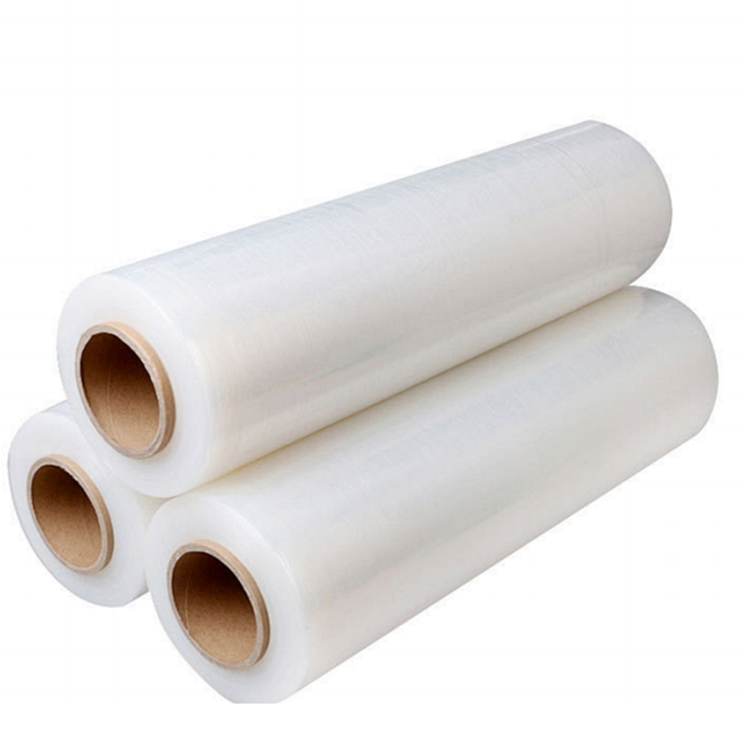
Stretch Film
Stretch film is one of the most widely used types of plastic film in industrial packaging. It is known for its ability to stretch significantly and conform to the shape of the items it covers. Typically used for securing goods on pallets, stretch film wrapping is a popular choice for warehouse and logistics operations due to its strength and elasticity. It helps protect products from dust, dirt, moisture, and tampering while maintaining load stability during transportation.
Key Features of Stretch Film:
Applications:
Pallet wrap for securing goods in place during transport
Stretch wrapping of irregularly shaped items
Bundling smaller packages together
High elasticity and strength
Cost-effective and efficient
Easy to apply and remove
Provides security and protection to goods
Shrink Film
Shrink film is another highly effective packaging material used in various industries. This film is made from materials like polyolefin or PVC, and it shrinks tightly around the product when heated, creating a secure, protective barrier. It is often used to wrap individual products, bundles, or even entire pallets. Shrink film offers excellent protection against moisture, dirt, and tampering.
Key Features of Shrink Film:
Applications:
Packaging food items
Wrapping consumer goods and electronics
Bundling products for retail display
Shrinks tightly around the product
Creates tamper-evident packaging
Provides a clean and professional appearance
Available in various thicknesses and types
BOPP Film (Biaxially Oriented Polypropylene Film)
BOPP film is a type of plastic film that is stretched in two directions, giving it a high degree of strength and clarity. This film is commonly used in food packaging, as well as for packaging consumer goods and textiles. It is known for its excellent printability, resistance to moisture, and high tensile strength. BOPP film is often used for product labeling, overwraps, and flexible packaging.
Key Features of BOPP Film:
Applications:
Packaging snacks, candies, and bakery products
Overwrapping DVDs, books, and electronics
Producing custom printed packaging for retail goods
High clarity and transparency
Good moisture resistance
High tensile strength and durability
Excellent printability for branding
Polyethylene Film (PE Film)
Polyethylene film is one of the most widely used plastic films in various industries due to its versatility, low cost, and excellent barrier properties. There are different types of polyethylene films, including low-density polyethylene (LDPE), high-density polyethylene (HDPE), and linear low-density polyethylene (LLDPE). These films are used for packaging a variety of products, from food items to industrial goods.
Key Features of Polyethylene Film:
Applications:
Packaging bags and pouches
Wrapping large bulk items or industrial products
Produce packaging, including vegetables and meats
High moisture and vapor barrier properties
Flexibility and puncture resistance
Available in a variety of thicknesses
Easy to heat seal for packaging
Polyvinyl Chloride (PVC) Film
PVC film is a type of plastic film that is highly flexible and resistant to chemical damage, making it ideal for a wide range of applications. It is often used in the medical, food, and consumer goods industries. PVC film is available in various thicknesses, making it suitable for a range of packaging needs, including shrink and stretch applications.
Key Features of PVC Film:
Applications:
Packaging for food and beverages
Medical packaging (e.g., for sterile items)
Industrial product packaging
Excellent clarity and gloss
Good resistance to oils, chemicals, and abrasion
Can be used in both shrink and stretch applications
High barrier properties
Polyamide Film (Nylon Film)
Polyamide (nylon) films are strong, flexible films with excellent barrier properties. These films are widely used in packaging applications where high strength, puncture resistance, and high-temperature resistance are required. Nylon film is commonly used in the packaging of products that require longer shelf life, such as meats, cheeses, and other perishable goods.
Key Features of Polyamide Film:
Applications:
Packaging of perishable foods (e.g., meat, cheese)
Medical packaging, particularly for sterile products
Protective films for electronic components
High tensile strength and puncture resistance
Excellent barrier properties against gases and moisture
High-temperature resistance
Metalized Film
Metalized film is a type of plastic film that has a thin metal layer (usually aluminum) deposited onto it. This process gives the film excellent barrier properties against moisture, light, and oxygen. Metalized film is widely used in food packaging, as it helps extend the shelf life of products by protecting them from environmental factors.
Key Features of Metalized Film:
Applications:
Packaging of snacks and convenience foods
Wrapping for cosmetics and pharmaceuticals
Flexible packaging for consumer goods
Excellent barrier properties (moisture, oxygen, light)
Reflective surface for enhanced aesthetic appeal
Ideal for extending shelf life
Polycarbonate Film
Polycarbonate film is a transparent, strong, and durable material with excellent impact resistance. It is commonly used for applications where optical clarity and high strength are required. While not as commonly used for packaging as other types of plastic film, polycarbonate film is used in specialty applications, including packaging for sensitive or high-value items.
Key Features of Polycarbonate Film:
Applications:
Packaging for high-end electronics
Medical packaging for delicate instruments
Protective covers and labels
High impact and heat resistance
Excellent optical clarity
Resistant to UV radiation
Plastic films are extensively used in various industries to package, protect, and preserve products. Some of the primary applications of plastic films in industry packaging include:
Food Packaging: Plastic films, particularly BOPP and polyethylene films, are used to wrap snacks, beverages, frozen foods, and perishables. The films offer excellent moisture and oxygen barriers, helping to extend shelf life and maintain product freshness.
Consumer Goods: Products such as electronics, toys, and textiles are often wrapped or packaged using PVC, BOPP, or polyethylene films to provide protection during shipping and handling.
Industrial Packaging: Heavy-duty polyethylene films, such as stretch film and shrink film, are used to secure and protect bulk goods, pallets, and machinery during transit. Stretch film wrapping is commonly used to secure goods on pallets. Due to its strength and elasticity, it is a popular choice for mixed pallets in export containers, as well as for long-distance sea freight and domestic land transport.
1. What is the difference between stretch film and shrink film?
Stretch film is used to wrap products tightly by stretching it around them, offering strong holding power. It is primarily used for securing goods on pallets. In contrast, shrink film shrinks when heated and forms a tight seal around the product, providing excellent protection and tamper resistance.
2. Which type of plastic film is the best for food packaging?
The best choice for food packaging depends on the product. BOPP and polyethylene films are common for snack and produce packaging, while PVC film and shrink film are often used for meat, dairy, and high-end food products.
3. Can plastic films be recycled?
Yes, many plastic films are recyclable. However, recycling rates vary depending on the type of plastic. Polyethylene films, for example, are recyclable, but the infrastructure for recycling plastic films is still being developed in many areas.
4. Why is stretch film used for pallet wrapping?
Stretch film is highly elastic, allowing it to tightly wrap around a pallet, securing the products in place. It offers protection against moisture, dust, and tampering while ensuring stability during transportation.
5. What are the environmental impacts of plastic films?
Plastic films, like other plastic products, contribute to environmental pollution if not properly disposed of. However, some types of plastic films are designed to be biodegradable or recyclable. Efforts are underway to improve the sustainability of plastic films, including the development of alternative materials.
Plastic films are a versatile, cost-effective, and essential material in industry packaging. From stretch film and shrink film to BOPP and polyethylene, there is a plastic film solution for nearly every packaging need. These films provide critical protection, improve shelf life, and offer flexibility in packaging processes, making them indispensable in today's industrial and consumer goods sectors. As industries continue to innovate and look for sustainable solutions, the future of plastic films will likely involve improved recycling capabilities and the development of more environmentally friendly materials.


