

Author: Site Editor Publish Time: 02-01-2026 Origin: Site
Wrap film, a term that encompasses several types of films used for packaging and protecting goods, is an essential material in industries ranging from logistics to retail. The evolution of wrap films has led to the development of several types, each serving unique needs. It will also cover key related terms, such as stretch film, pallet wrap, and stretch wrapping, and their connection to wrap films.
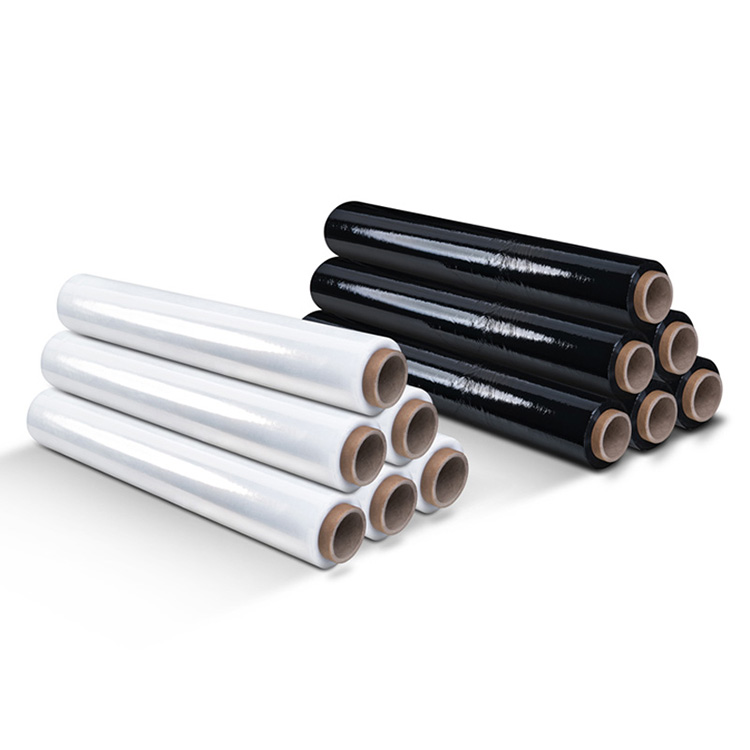
Wrap film, also known as stretch film, is a highly stretchable plastic film used to secure, bundle, and protect items during storage and transportation. It is commonly used in various industries to wrap goods and ensure they remain intact during transit. Wrap films are made from polymers such as linear low-density polyethylene (LLDPE) and are designed to provide high tensile strength, puncture resistance, and superior cling to hold items tightly together.
Choosing the wrong type of wrap film is one of the most common causes of pallet collapse and excessive film consumption in logistics operations.
Stretch film is a popular form of wrap film that can stretch to several times its original length. This elasticity provides a strong hold on the items being wrapped, ensuring that the load stays secure. Stretch film is typically transparent, which allows for easy visibility of the products. It is available in various thicknesses, widths, and roll lengths, catering to different packaging needs.
Pallet wrap, often referred to as stretch wrap or stretch film, is primarily used to wrap large items on pallets. It provides stability to goods during transport and storage, preventing products from shifting or falling off the pallet. Pallet wrap can be used with manual or automatic wrapping machines and is available in both hand rolls and machine rolls.
Machine length stretch wrap rolls are designed for use with stretch wrapping machines. These rolls are typically longer and wider than hand rolls, allowing for quicker and more efficient wrapping of products on pallets. Machine-length rolls can be used in automated packing systems for industries with high-volume packaging requirements.
Cast stretch film is made through a process where the resin is cast onto a chilling roller to form a thin layer. This type of stretch film is less elastic compared to blown films but is known for its clarity and smoothness, making it ideal for packaging products that require high visibility.
Blown stretch film is made by forcing the resin through a die to create a tube-like film. It is typically thicker than cast stretch film, making it more resistant to punctures and tears. Blown stretch film is ideal for wrapping irregularly shaped products and can provide a stronger, more secure hold.
Wrap film serves a variety of functions in different industries, with its primary application being in the packaging of goods for transportation. Below are some of the key areas where wrap film is utilized:
Wrap film is widely used in packaging applications, particularly in the logistics industry. It is used to secure products on pallets, ensuring that the items do not shift or fall during transport. This is particularly important for industries that deal with fragile or heavy goods, where stability is crucial.
Stretch film, often used for wrapping products on pallets, ensures that items are securely held together. This is done by wrapping the product with multiple layers of stretch film, ensuring that the load remains intact. Pallet wrap is also designed to protect products from dust, dirt, moisture, and other environmental factors.
Wrap films are also commonly used in food packaging, particularly for items that require airtight seals. These films help to keep food products fresh by preventing contamination and moisture loss. Stretch films, in particular, are used in the food industry to wrap items like fruits, vegetables, and meats, ensuring that they remain secure and fresh during transportation and storage.
Wrap film is frequently used in the retail and consumer goods industries to package products for sale. For instance, multiple items may be bundled together using stretch film to create a unified package. This not only helps in securing the products but also serves as a marketing tool, as the transparency of the film allows customers to view the items inside.
In addition to bundling products, wrap films are also used in retail packaging for promotional purposes. For example, some products may be wrapped in stretch film that features a printed logo or advertisement. This enhances the visual appeal of the packaging, drawing customers’ attention to the product.
Machine length stretch wrap rolls are essential for industries where large machines or heavy equipment need to be protected during storage or transit. The film is designed to withstand heavy-duty applications, such as wrapping large machinery, tools, and industrial components. Its high-tensile strength ensures that items remain securely wrapped, reducing the risk of damage during handling.
Stretch wrapping machines, which use stretch film rolls, are often employed to wrap products quickly and efficiently in industrial settings. These machines apply consistent tension and force to the film, ensuring that products are securely packaged. The use of stretch wrap in industrial packaging is especially beneficial in sectors like manufacturing, construction, and automotive.
Wrap film is often used to protect products from contaminants such as dirt, dust, moisture, and other environmental factors. Stretch film is particularly effective in providing a barrier between the product and external elements. For example, items such as electronic devices, textiles, and furniture can be wrapped in stretch film to shield them from dust or moisture during storage.
In the transportation and shipping industries, wrap film is crucial for ensuring that goods arrive at their destination safely. By securely bundling items together and protecting them from external factors, stretch film helps to minimize the risk of product damage during shipping. Whether shipping large bulk orders or individual items, wrap film provides a cost-effective way to protect goods in transit.
The use of wrap film offers several advantages, making it an essential packaging material in various industries:
Cost-Effective: Wrap film is an affordable solution for packaging, particularly in bulk. It reduces the need for additional packaging materials like boxes and crates.
Durable and Protective: Stretch film provides excellent strength and puncture resistance, ensuring that products are securely packaged and protected during transit.
Versatile: Wrap film can be used for a wide range of applications, from packaging consumer goods to securing industrial machinery. It is available in various thicknesses and sizes to meet specific needs.
Easy to Use: Wrap film is easy to apply, either by hand or using automated wrapping machines. It requires minimal training and can be used in high-volume environments.
Transparency: The transparency of wrap film allows for easy inspection of the packaged product without the need to open the packaging. This is especially important in industries like food packaging, where visibility is crucial.
Environmental Benefits: Many types of stretch film are recyclable, making them an environmentally friendly packaging option.
Q1: What is the difference between stretch film and wrap film?
Stretch film is a type of wrap film, but not all wrap films are stretch films. While stretch films can stretch to several times their original length, wrap films may refer to a broader category of films used for wrapping purposes. Wrap films also include shrink films, which shrink when heated.
Q2: Can wrap film be used for outdoor applications?
Yes, some types of wrap films are designed for outdoor use. UV-resistant stretch films can provide protection against sunlight and environmental exposure, making them suitable for outdoor applications.
Q3: How does stretch film provide product security?
Stretch film holds items tightly together, preventing them from shifting during transportation. Its elasticity provides a secure grip on the items, while its puncture resistance ensures that the packaging remains intact, even during handling.
Q4: What are the common industries that use wrap film?
Warehouse with mixed pallet heights
Export shipments with long-distance sea freight
Cold storage environments (condensation risk)
Manual wrapping vs semi-auto machines
Wrap film is a versatile and cost-effective solution for packaging and protecting goods across various industries. Whether used for securing pallets, packaging food products, or protecting machinery, wrap films such as stretch film and pallet wrap play a crucial role in ensuring that goods remain intact and secure during storage and transportation. With its ability to stretch, cling, and provide puncture resistance, wrap film continues to be an indispensable tool in the world of packaging.


