

Author: Site Editor Publish Time: 30-12-2025 Origin: Site
In the world of logistics and packaging, efficiency is crucial for cost savings, productivity, and ensuring the safety of goods. One of the most significant advancements in packaging technology is automated stretch wrapping. This method involves using machinery to wrap stretch film around pallets, securing products in place during transit and storage. Automated stretch wrapping has become increasingly popular due to its superior efficiency compared to manual methods. But why exactly is it so much more efficient? This article delves into the reasons why automated stretch wrapping is a game-changer for businesses and industries worldwide, examining its benefits, applications, and the future of this technology.
1. Manual wrapping isn't just a "sometimes" waste of membrane;
it's almost a "structural necessity" to overuse membranes in real-world warehouse environments.Manual pre-stretching is impossible (this is the root cause). Human hands cannot consistently apply a stable, high-proportion stretch to the film.Once workers can't stretch it any further, they'll choose to wrap it a few more times rather than pull it tighter.
2. Human "Psychological Safety Compensation" Mechanism (Very Crucial)
This phenomenon occurs in almost all warehouses Workers' Real Thoughts (Google highly values this kind of genuine behavior):
"If it's not wrapped enough, it's my responsibility if something goes wrong."
"Wrap it a few more times, the film is cheap anyway."
The result is:Increased overlap Extra wraps at the bottom and top Repeated wrapping at corners This "risk-averse over-wrapping" is an instinct in manual operation.
3. Humans cannot perceive "Load Containment Force" (LCF).
What is Load Containment Force (LCF)?
What truly determines a pallet's stability is not "how many times it's wrapped around the container,"
but rather: the continuous tension the membrane applies to the goods.
The fatal flaw of manual methods:Humans can only "see" and "feel," they cannot quantify tension.
Therefore, the only way to compensate for this uncertainty is:
Adding a membrane.
Automated equipment uses "tension," while humans use "layers."
4. Artificial coating ≠ Less film, actually more film (counterintuitive but true)
This is a counterintuitive yet true point that Google loves:
❌ Artificial = Less film
✅ Actual = More film + worse adhesion
Reason:The film isn't stretched thinner Each layer of film is close to its original thickness But the tension is insufficient . It can only be achieved by piling on more layers
5. Automation isn't about "using less membrane," but about "using only the necessary membrane."
This is a key difference in understanding:Automation isn't about being "stingy," but rather: using only the necessary tension and the necessary number of layers in the required locations.
This is something humans cannot do.
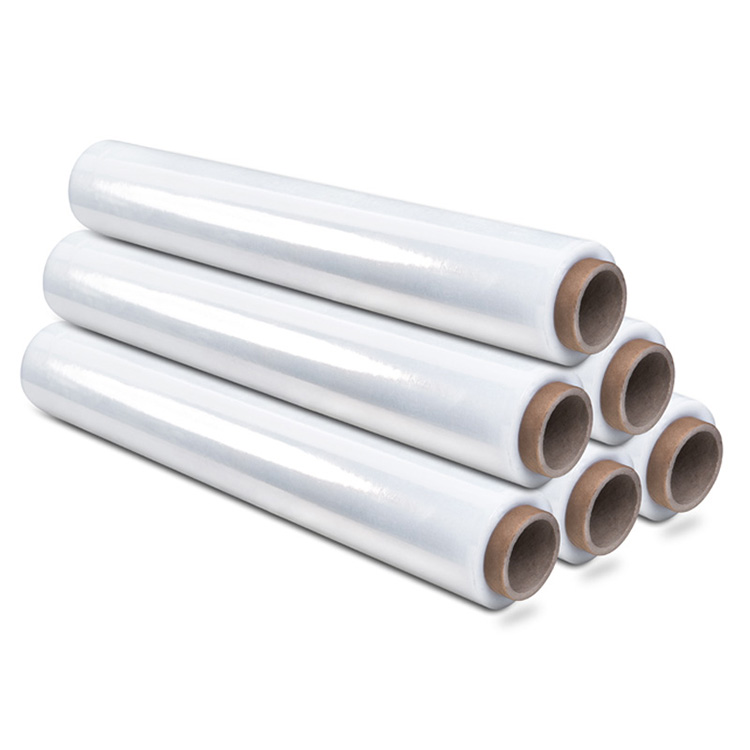
Automated stretch wrapping has revolutionized the packaging industry, especially in settings that require wrapping large volumes of products or pallets. By replacing manual labor with machines, businesses can significantly reduce their costs while increasing packaging speeds. Furthermore, automated stretch wrapping offers improved consistency and accuracy, which are essential in meeting industry standards.
One of the primary benefits of automated stretch wrapping is the speed at which it can wrap pallets compared to manual methods. While a manual wrapper can only wrap a few pallets per hour, an automated stretch wrapping machine can wrap dozens in the same time frame. This increase in speed is particularly beneficial in high-volume production environments like warehouses, distribution centers, and manufacturing facilities.
With automation, downtime between processes is minimized, which leads to faster throughput, and ultimately, improved productivity. In industries where time is money, automated stretch wrapping is a major factor in meeting tight deadlines and improving supply chain efficiency.
Automated stretch wrapping ensures a consistent application of stretch film around each pallet. Manual wrapping can lead to inconsistent tension, wrapping patterns, and overlap, which affects the integrity and presentation of the packaged product. Automation eliminates these human errors, ensuring that each pallet is wrapped uniformly, resulting in more reliable packaging.
Consistent wrap tension also prevents overuse of stretch film, which can lead to unnecessary waste. This consistency extends to the load containment as well, meaning the goods are securely wrapped and more protected during transit.
Manual labor is often one of the highest operating costs for businesses involved in packaging. With automated stretch wrapping, the need for workers to wrap each pallet by hand is eliminated. This leads to a significant reduction in labor costs and allows employees to be redirected to other value-adding tasks within the operation. Automation also helps businesses avoid the risks associated with manual handling, such as repetitive strain injuries or accidents.
Stretch wrapping by hand can be physically demanding, especially when wrapping large or heavy pallets. The repetitive nature of manual wrapping can result in musculoskeletal injuries over time. Automated stretch wrapping machines take the physical strain out of the process, reducing the likelihood of worker injuries. This is especially important in industries where workers need to lift heavy items or operate in hazardous conditions.
Automated machines are designed with safety features such as sensors, safety barriers, and emergency stops, reducing the potential for workplace accidents.
Automated stretch wrapping machines can be programmed to use the exact amount of stretch film required to secure the load, reducing waste. This precise application minimizes the overuse of plastic film, which not only lowers material costs but also helps reduce the environmental impact of packaging waste. Given the rising concerns about sustainability and waste reduction, this optimization makes automated stretch wrapping a more eco-friendly option compared to manual wrapping.
Properly wrapped pallets are essential for ensuring the safety of goods during transit. Automated stretch wrapping helps improve the stability of loads, preventing items from shifting or toppling over during transportation. The tight and secure wrapping prevents damage to products, especially fragile or high-value items.
Automation ensures that each load is wrapped with the right amount of tension and film layers, ensuring that each pallet maintains its integrity. This is particularly crucial when transporting goods over long distances, where load stability is a key factor in preventing damage.
Automated stretch wrapping machines come with programmable settings that allow for customization based on the type of load being wrapped. Whether it’s a small pallet, large or oddly shaped items, or sensitive materials, automated systems can adjust film tension, speed, and the number of layers applied to the stretch film. This flexibility allows businesses to optimize their wrapping process for various products, improving both efficiency and safety.
Modern automated stretch wrapping systems are equipped with data tracking and inventory management capabilities. This allows businesses to track the number of pallets wrapped, monitor film usage, and gather data for quality control. Such information can be invaluable for improving processes, reducing costs, and enhancing inventory management.
These systems often feature sensors and scanners that ensure that the correct wrapping patterns are applied to each pallet, reducing errors and increasing inventory accuracy.
Automated stretch wrapping machines are designed to operate in spaces that are optimized for both performance and safety. These machines can be integrated with other parts of the packaging process, such as labeling and palletizing systems, helping streamline operations. This integration allows for better use of space within warehouses and production areas, improving the overall flow of goods.
Another key benefit of automated stretch wrapping is its ability to integrate with existing conveyor and palletizing systems. This means businesses don’t have to overhaul their entire logistics system when adopting automated wrapping technology. The machine can be easily incorporated into the current setup, making the transition smoother and more cost-effective.
Automated stretch wrapping machines are widely used in warehouses where large quantities of products need to be wrapped quickly and securely. These machines work in conjunction with conveyors to move pallets to the wrapping station, where they are automatically wrapped and prepared for shipment.
In the food and beverage industry, automated stretch wrapping is used to secure products like bottles, cans, and boxes. This ensures that the products are protected during transport and that the integrity of the packaging remains intact.
For pharmaceutical products, secure packaging is crucial. Automated stretch wrapping machines ensure that each pallet of pharmaceuticals is wrapped tightly to prevent contamination, tampering, or damage during storage and transport.
In the retail and e-commerce industries, automated stretch wrapping is essential for securing products before shipping to customers. Whether it’s individual packages or bulk items, stretch wrapping provides a secure and efficient packaging solution.
Automated stretch wrapping is also used for securing automotive parts and machinery before they are shipped. These items often require special handling to prevent damage, and automated systems help ensure that they are packaged securely.
As technology continues to advance, the future of automated stretch wrapping looks promising. Innovations such as the integration of Artificial Intelligence (AI) and Internet of Things (IoT) technologies are expected to make stretch wrapping systems even smarter and more efficient. For example, machines could soon be able to detect product dimensions automatically, adjust wrapping parameters in real-time, and even predict maintenance needs before issues arise.
The push for more sustainable practices will also drive advancements in the materials used for stretch wrapping, leading to eco-friendly films and more energy-efficient machines. These developments will make automated stretch wrapping even more attractive for businesses looking to stay ahead in a competitive marketplace.
Automated stretch wrapping is more efficient for several reasons, from speed and accuracy to cost savings and sustainability. Its ability to consistently and precisely wrap pallets makes it an invaluable tool for businesses looking to streamline their packaging processes. As technology continues to evolve, the benefits of automated stretch wrapping are set to expand, making it an even more essential part of modern logistics and packaging.


