

Author: Site Editor Publish Time: 09-12-2025 Origin: Site
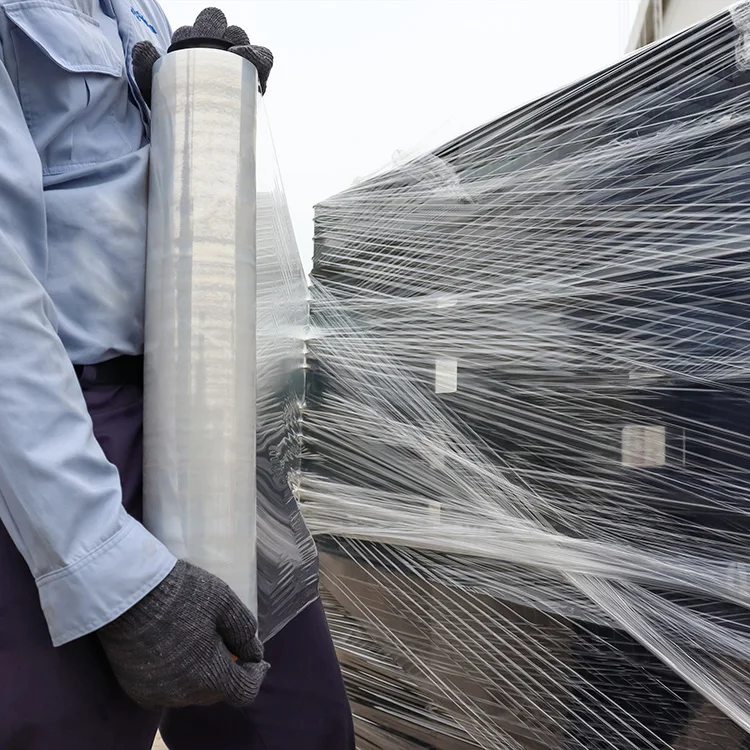
In the rapidly changing logistics environment of North America, businesses face increasing pressure to control operating costs while minimizing cargo damage, optimizing warehouse efficiency, and achieving sustainability goals. Whether transporting goods along the US-Canada corridor or within domestic distribution centers, cargo stability remains one of the most easily overlooked yet crucial aspects of transportation security.
It is in this context that high-performance stretch film transcends its role as a basic consumable, becoming a truly cost-saving tool.
Fuel surcharges, labor shortages, and long-haul freight costs continue to climb. A single unstable pallet collapsing during transit can result in losses ranging from hundreds to thousands of dollars, including rework time and claims costs.
Large retailers require palletized cargo to be stable, secure, and consistent. Uneven packaging or damaged film can lead to rejection or rework at the receiving terminal.
North American carriers report that unstable pallets are a leading cause of cargo damage, often due to poor film quality or excessive stretching that fails to maintain sufficient hold.
Warehouses rely heavily on automation. Film damage during packaging slows down workflows and causes downtime, especially with automated wrapping machines.
Reduce plastic use
Use recyclable materials
Increase pallet-to-film utilization (reducing thickness without sacrificing strength)
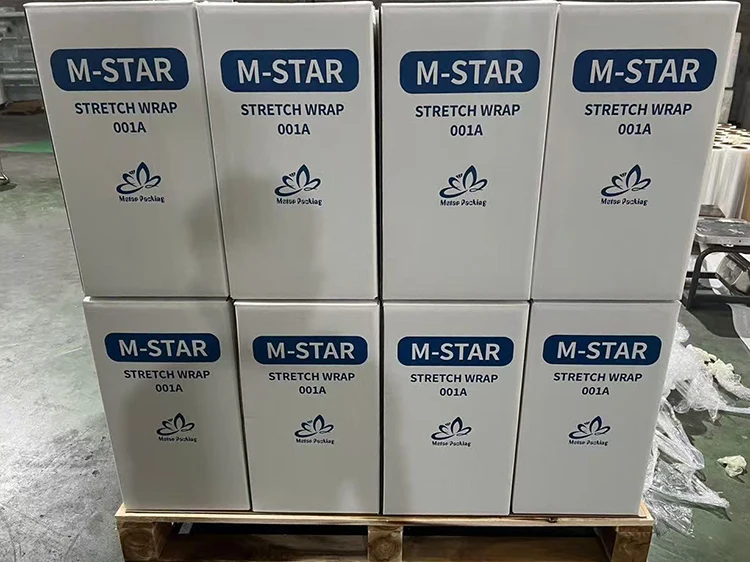
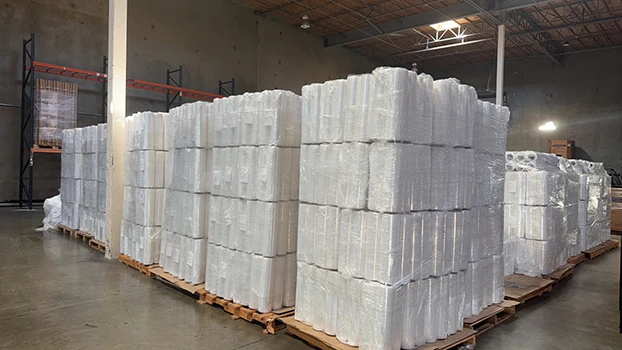
High-performance linear low-density polyethylene (LLDPE) film, with its pre-stretch capability, provides superior puncture resistance, holding power, and tear strength, reducing pallet collapse during transport and handling.
Modern stretch films achieve the same or even greater cargo stability at thinner thicknesses, reducing plastic usage by up to 30-50%.
Machine-grade film ensures:
Consistent pre-stretch ratio
Minimum film breakage
Faster wrapping cycles
This is crucial for North American third-party logistics (3PL) companies and high-capacity warehouses.
Many shippers now prefer to use recyclable or thinner films. Sustainable stretch film options help brands:
Reduce their environmental footprint
Meet customer sustainability expectations
Comply with regional recycling policies (e.g., California SB54)
Suitable for food, beverage, building materials, manufactured products, and e-commerce logistics.
Avoids common problems of lower-grade films such as sticking, uneven thickness, and edge folding.
We provide solutions for all types of users, from small retailers to automated distribution centers.
Recyclable film options
Low-thickness formulation
Optimized design to reduce plastic usage per pallet
Supports private label manufacturing, OEM, and custom pallet packaging solutions.
Long-haul transportation (US → Canada, cross-US East/West coast routes, or Mexico routes)
Warehouses equipped with automated pallet wrapping machines
Heavy or unstable product types
High inventory and high throughput environments
Sustainability reporting requirements
Businesses typically achieve ROI through:
Fewer shipping claims
Shorter wrapping times
Lower pallet film costs
Greater retailer compliance
In the competitive North American logistics environment, the difference between efficient and high-risk operations often hinges on a seemingly simple yet crucial factor—the stretch film you use.
With high-performance materials, superior stretch ratios, and a sustainability-focused product selection, M-Star Packaging helps businesses secure more pallets, reduce damage, and enhance supply chain resilience.
Tell us your pallet weight, packing method, and shipping route—we'll match you with the ideal stretch film solution.
Get a quote now
inquiry@mstar-packaging.com
+86 13600151752


