


Author: Site Editor Publish Time: 26-08-2026 Origin: Site


Freshly roasted coffee is a highly volatile product. Within hours of roasting, beans release significant amounts of carbon dioxide. Trapping this gas inside standard packaging causes bags to swell and rupture. Conversely, exposing beans to ambient air degrades fragile flavor compounds rapidly. Oxidation ruins an excellent roast before it ever reaches the consumer.
For commercial roasters and serious home roasters, proper packaging is essential. Utilizing packaging featuring one-way degassing technology serves as a non-negotiable quality control measure. You need to shield delicate aromatics from environmental threats. A reliable barrier keeps oxygen out while letting built-up pressure escape.
This guide evaluates bag formats, barrier materials, and sourcing strategies. You will discover how to protect your roast effectively during transit and storage. We will also explore ways to optimize your retail presentation. Mastering these packaging fundamentals ensures your product delivers the exact flavor profile you intended.
Understanding degassing physics helps roasters preserve delicate flavor profiles. Coffee beans undergo complex chemical reactions during the roasting process. These reactions create trapped carbon dioxide inside the cellular structure of the bean. Post-roast, beans enter a critical 24- to 72-hour peak off-gassing window. During this phase, they release gas rapidly.
Immediate packaging remains critical for flavor retention. Leaving beans in open bins allows aromatics to dissipate into the room. You lose essential volatile compounds. By sealing beans quickly, you trap these desirable flavors. However, sealing beans quickly requires a pressure-release mechanism. This is where specialized hardware becomes necessary.
The standard degassing valve relies on simple but precise mechanics. It features a flexible rubber diaphragm positioned over a microscopic vent. Manufacturers coat this diaphragm using a viscous sealing fluid. When internal bag pressure rises from releasing CO2, it pushes against the diaphragm.
The pressure temporarily breaks the fluid seal. Carbon dioxide escapes into the atmosphere. Once internal pressure equalizes, ambient air attempts to enter the bag. Atmospheric pressure pushes the diaphragm flat against the vent. The viscous fluid reseals the opening completely. This ingenious mechanism blocks atmospheric oxygen entirely.
Failing to use proper coffee bags with valve technology introduces severe quality issues. Non-valved sealed bags trap the expanding CO2. They eventually balloon under pressure and burst open during transit. A ruptured bag destroys product safety and creates messy logistical failures.
Some roasters attempt to solve this by intentionally poking holes in bags. Others wait days for beans to degas fully before sealing them. Both methods invite catastrophic oxidation. Oxygen causes premature staling. The beans lose their brightness and acquire a flat, cardboard-like taste. Valved packaging eliminates both the bursting risk and the staling risk.
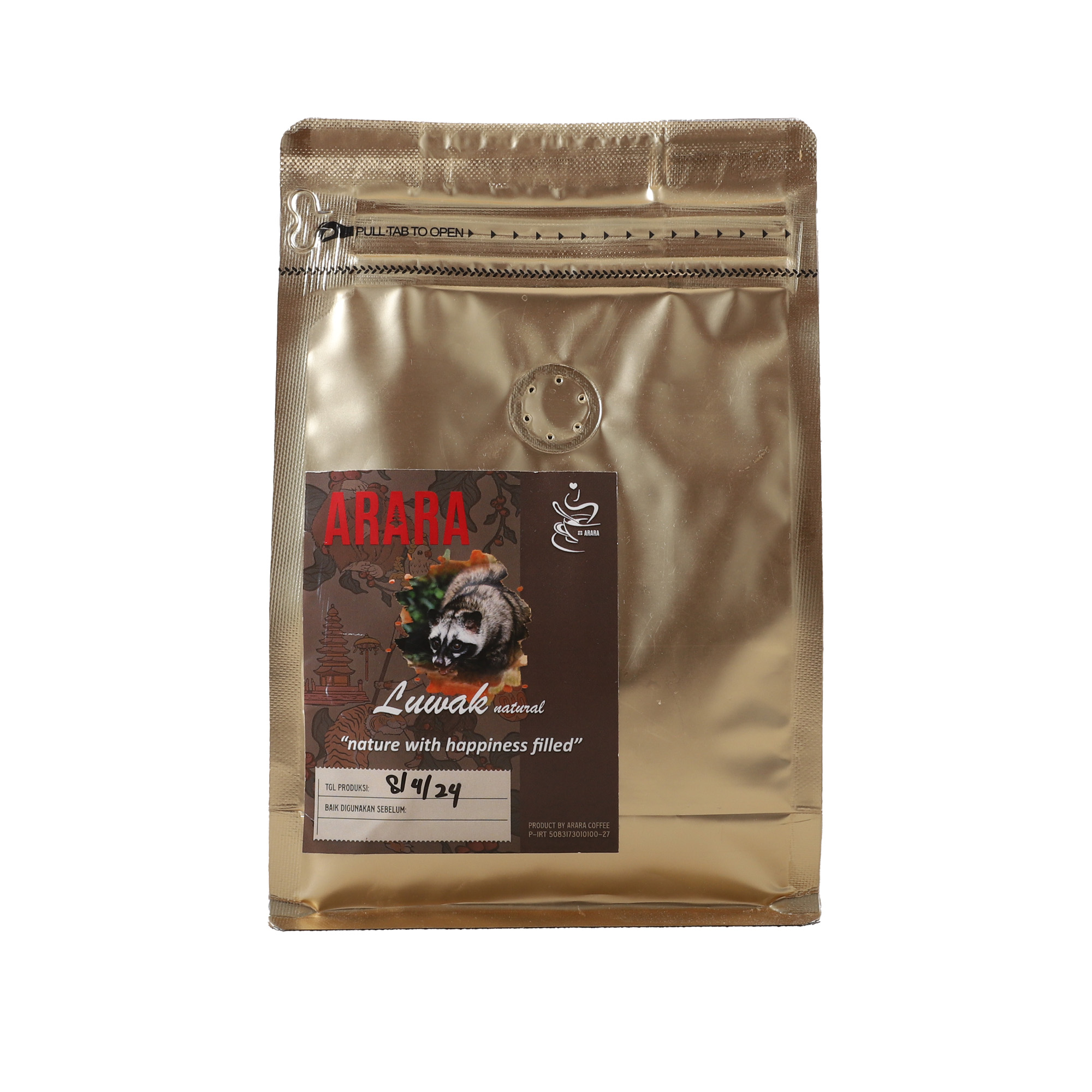
Choosing the correct physical bag shape impacts both logistics and marketing. Your selection dictates shelf visibility, packing efficiency, and customer experience. Roasters must align bag architecture to their specific sales channels.
The modern retail environment often demands flexibility and prominent branding. A stand up coffee bag with valve provides excellent shelf presence. These typically accommodate 8oz to 12oz of roasted beans. The design features a bottom gusset. This gusset expands when filled, granting structural stability on grocery shelves.
Retailers appreciate how easily these pouches display facing forward. Packers appreciate their standard heat-seal compatibility. They fit smoothly into standard impulse sealers. Furthermore, the inclusion of a resealable zipper enhances the consumer experience at home.
Side gusset designs represent the traditional industry standard. They lack a rigid flat bottom but expand deeply on the sides. This shape maximizes interior volume. They are heavily favored for wholesale distribution, bulk storage, and 5lb commercial applications.
These bags offer superior volume-to-footprint efficiency. You can pack them tightly into shipping boxes without wasting empty space. They stack beautifully on warehouse pallets. While they may not stand up perfectly alone on a retail shelf, they remain unmatched for high-volume cafe supply lines.
Block bottom bags serve as the ultimate premium retail option. They combine the best features of stand up pouches and side gusset bags. The flat, rigid base provides superior shelf-standing stability. They never tip over on display shelves.
This design offers five distinct printable surfaces. You get a front, back, bottom, and two side panels for branding. This maximizes your marketing real estate. However, roasters must weigh these visual benefits against higher per-unit production expenses. Block bottom formats require more complex manufacturing machinery.
Bag Architecture Comparison Chart
| Format Type | Primary Use Case | Volume Range | Shelf Stability |
|---|---|---|---|
| Stand Up Pouch | Standard Retail | 8oz - 12oz | Good (Bottom Gusset) |
| Side Gusset | Wholesale / Bulk | 1lb - 5lb | Fair (Requires Support) |
| Block Bottom | Premium Retail | 10oz - 16oz | Excellent (Rigid Base) |
A high-quality valve cannot compensate for a low-quality bag film. Material barrier properties determine your product's actual shelf life. You must block external elements like moisture, oxygen, and ultraviolet light.
Roasters primarily choose between aluminum foil laminates and metalized polyester (VMPET). Pure foil offers the highest possible barrier. It possesses near-zero Oxygen Transmission Rates (OTR) and Moisture Vapor Transmission Rates (MVTR). Foil serves well for extended global shipping.
Metalized films provide an excellent alternative for regional distribution. Manufacturers deposit a microscopic layer of aluminum onto a plastic film. This achieves strong high-barrier properties while remaining lighter and more flexible than pure foil. Metalized films handle standard 3-to-6 month retail shelf life requirements effortlessly.
Some brands utilize transparent or windowed valved bags to showcase bean quality. Consumers love seeing the roast profile before buying. However, this creates a strict preservation trade-off. High consumer visibility brings extreme vulnerability to UV light degradation.
UV radiation accelerates the breakdown of coffee oils. It forces beans to go rancid quickly. We recommend clear bags exclusively for rapid-turnover local markets. If your beans sit on a bright supermarket shelf for weeks, avoid transparent materials entirely.
The packaging industry continues developing recyclable and compostable films. PLA (Polylactic Acid) and modified polyethylene structures gain popularity daily. They appeal to environmentally conscious consumers.
Roasters face a specific operational caveat here. The degassing valve itself must also carry certified compostable or recyclable status. If you attach a standard plastic valve to a compostable bag, you ruin single-stream compliance. End-users cannot easily detach the valve before disposal. Always verify material matching when sourcing sustainable packaging.
Your business scale dictates your packaging procurement strategy. Sourcing choices impact cash flow, warehouse space, and brand perception. Small brands need agility, while national brands require consistency.
Emerging brands benefit greatly from standardized packaging. Many start by buying stock coffee bags with valve technology to maintain maximum flexibility. This approach proves ideal for micro-roasters and seasonal limited releases.
Stock procurement provides essential operational agility. You avoid massive minimum order quantities (MOQs). You do not tie up capital in empty packaging inventory.
We recommend the following implementation tactics for stock bags:
As your retail footprint expands, manual labeling slows down your production lines. Transitioning to a custom valve coffee bag becomes a volume-driven necessity. Pre-printed packaging elevates your brand equity immediately.
You must evaluate your production volume thresholds. Inline custom printing streamlines operations significantly. Workers spend time roasting and packing rather than applying stickers by hand.
Consider the logistics of customized printing. Traditional rotogravure printing offers the highest quality and lowest per-unit price. However, it requires expensive metal cylinder plate fees and massive MOQs (often 10,000+ units). Alternatively, digital custom printing eliminates plate fees entirely. Digital methods offer faster lead times and accommodate lower MOQs, making the transition smoother for growing roasteries.
Procuring excellent materials solves only half the problem. Executing the final pack requires rigorous quality assurance. Manufacturing errors ruin high-barrier protections instantly.
You must invest in commercial-grade impulse or direct heat sealers. Consumer-grade sealers lack the thermal power required for thick multi-layer films. Mismatched bag thickness (mils) and sealer heat settings lead to disastrous micro-leaks.
If the heat remains too low, the inner polymer layers fail to bond. If the heat runs too high, you scorch the exterior film and weaken the seal. Operators must calibrate their machines daily. Perform regular water-submersion tests to verify seal integrity.
Improper valve placement creates hidden failure points. If manufacturers place the valve too close to the top fill line, problems occur during packing. Coffee chaff and fine dust get pushed into the valve area.
This dust fouls the sensitive rubber diaphragm. It compromises the viscous sealing fluid. The diaphragm then fails to reseal cleanly, leading directly to invisible oxygen ingress. Always inspect incoming bag inventory to ensure standard valve placement roughly two to three inches below the zipper.
Different materials handle transit stress differently. Pure aluminum foil laminates provide ultimate oxygen barriers but suffer from flex-cracking. When boxes vibrate aggressively during freight shipping, rigid metalized films can develop microscopic pinholes along sharp creases.
These pinholes destroy the hermetic environment. If you ship cross-country via heavy freight, consider switching to high-barrier nylon blends. Nylon offers superior puncture resistance and flexibility. It survives rough transit handling much better than rigid foil.
Selecting the ideal valved packaging requires balancing multiple technical variables. You must consult a final decision matrix analyzing your volume thresholds, shelf-life demands, branding aesthetic, and logistical realities. A micro-roaster needs agile stock pouches, while a regional distributor demands robust custom block-bottom films.
As a logical next step, audit your current roast-to-shelf timeline. Determine exactly how long your beans sit in warehouses and retail displays. Request physical material samples from suppliers to test heat sealer compatibility before committing to a bulk order.
Take action today to protect your roasting craftsmanship. Browse extensive catalogs of professional valved packaging. Contact a dedicated packaging specialist to discuss custom printing quotes and secure the right barrier materials for your unique blend.
A: No. They slow degradation significantly, but coffee still possesses a finite peak flavor window (typically 3–6 weeks depending on the roast profile and barrier material).
A: Waiting allows volatile aromatics to escape into the environment rather than being preserved in the bag, resulting in a flatter cup profile.
A: Standard plastic valves are not. You must explicitly source certified compostable or recyclable valves paired with matching bag materials for true sustainability.
A: Digital printing has lowered MOQs to typically 1,000–5,000 units, while traditional plate printing usually requires 10,000+ units.


