

Author: Site Editor Publish Time: 03-03-2026 Origin: Site
The world of packaging has evolved considerably over the years, with a wide range of options available to meet different product needs. One of the most popular and practical options for packaging today is the Back Seal Bag. This bag style is commonly used in various industries due to its durability, ease of use, and cost-effectiveness. A Back Seal Bag offers a reliable and flexible packaging solution that helps protect the product inside while maintaining consumer convenience.
Shenzhen M-star Packaging Group Limited, established in 2011, has built a strong reputation for producing high-quality flexible packaging solutions. The company specializes in Back Seal Bags, offering customizable solutions to businesses in various industries, including food, beverage, consumer goods, and more. In this article, we will explore what Back Seal Bags are, how they are used in different industries, and why they continue to be a preferred choice for businesses worldwide.
A Back Seal Bag is a type of flexible packaging where the seal is created on the back side of the bag, leaving the top and bottom open for easy filling. Once filled, the top and bottom are sealed, creating a secure, protective barrier for the product. These bags are commonly used for various applications and come in many sizes, depending on the specific requirements of the product being packaged.
The structure of a Back Seal Bag is relatively simple but effective. The primary components of the bag include:
The Bag Body: Made from flexible materials such as polyethylene (PE), polypropylene (PP), or multi-layer laminates, the body of the bag provides strength and protection. These materials offer excellent barrier properties against moisture, oxygen, and other contaminants.
The Back Seal: The defining feature of the bag is the sealed back, which is created using heat sealing or adhesive bonding. The back seal ensures that the bag remains securely closed, keeping the contents protected and tamper-proof.
The Open Top and Bottom: These open ends allow for easy filling of the product. After filling, the top and bottom are sealed to secure the contents inside.
Optional Features: Many Back Seal Bags come with additional features such as tear notches, spouts, resealable zippers, and window options, depending on the product's needs.
There are several variations of Back Seal Bags, each designed for different applications. Some of the most common types include:
Flat Back Seal Bags: These are the most basic form of Back Seal Bags, ideal for lightweight, flat items such as snacks or dried fruits.
Stand-Up Back Seal Bags: These bags have a gusset at the bottom, allowing them to stand upright on store shelves. They are often used for products that require more shelf visibility, such as beverages and pet food.
Pillow-style Back Seal Bags: These bags have a traditional pillow shape and are commonly used for heavier products like grains, flour, and rice.
The versatility of Back Seal Bags makes them suitable for a wide range of products, and their flexibility in size and design ensures that they can be customized to meet the specific needs of various industries.
Back Seal Bags are widely used in several industries, including food packaging, consumer goods, medical products, and more. Their ability to provide protection, maintain product integrity, and offer efficient packaging solutions makes them a go-to choice for many businesses.
Dominating the Global Food Supply Chain, the back-seal configuration is prized for its hermetic integrity. By minimizing the number of seal interfaces, we significantly reduce the "leak rate" during high-speed Vertical Form Fill Seal (VFFS) operations, ensuring that everything from volatile coffee grounds to hygroscopic powders remains shelf-stable. These bags are used to package a wide variety of food products, such as:
The Snack Revolution: For light-sensitive products like artisanal crisps, our back seal bags incorporate an opaque metallized layer to block UV degradation, preventing oil oxidation and off-flavors, keeping the products fresh and safe from contamination.
Dry Goods: Products like rice, pasta, and flour are commonly packaged in Back Seal Bags. The bags help protect the dry goods from moisture and other environmental factors that could lead to spoilage.
Frozen Foods: Back Seal Bags are also used to package frozen foods, such as vegetables, fruits, and ready-to-eat meals, as they provide a tight seal that helps prevent freezer burn.
Back Seal Bags offer excellent shelf appeal due to their ability to be stacked efficiently in retail environments, maximizing shelf space and visibility.
In the consumer goods sector, Back Seal Bags are used for packaging various non-food items. Some examples include:
Pet Food: Back Seal Bags are commonly used for packaging dry pet food and treats. The bags offer convenience for both storage and feeding, while also keeping the contents fresh.
Cosmetic Products: Some cosmetic items, such as powders, lotions, and face masks, are packaged in Back Seal Bags. These bags protect the contents and are often designed with attractive printing to enhance brand visibility.
Back Seal Bags are also widely used for packaging products like cleaning supplies, pharmaceuticals, and even textiles. Their versatility makes them suitable for almost any product that needs durable, protective packaging.
Suggested Table:
Application | Benefit | Example Product |
Snacks | Extended shelf life | Chips |
Dry Goods | Protection | Coffee beans |
Non-food | Clean storage | Hardware |
As shown in the table above, Back Seal Bags are ideal for various applications, providing benefits like extended shelf life, protection from contaminants, and a clean storage environment.
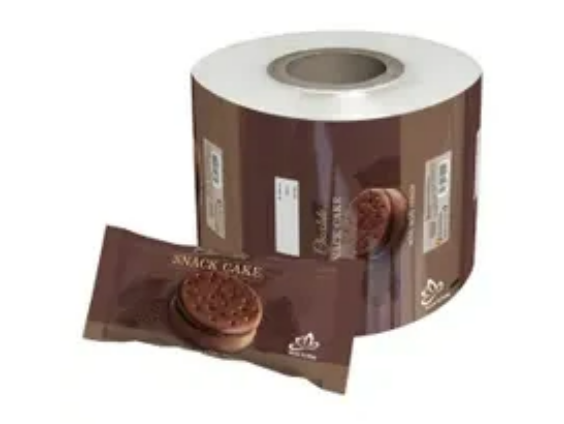
Back Seal Bags offer numerous functional benefits that make them a practical choice for many businesses.
Engineered with precision heat-sealing technology, our back seals eliminate the risk of "channel leaks." This ensures hermetic integrity even under the mechanical stress of high-speed vacuum filling that helps protect the contents from moisture, air, and contaminants. This seal ensures that the product remains intact and fresh until the consumer opens it. Additionally, the sealing process is quick and efficient, making it ideal for high-volume packaging lines.
Back Seal Bags can be customized with a variety of design features, including full-color printing, logos, product information, and brand messaging. The large printable area allows businesses to showcase their branding effectively and create an eye-catching product presentation.
The flexibility of Back Seal Bags also extends to their design options. They can be made with different materials, such as clear films, opaque films, or metallized films, depending on the product's needs. This versatility in design ensures that businesses can create packaging that aligns with their product's characteristics and marketing strategy.
Customization is one of the key advantages of Back Seal Bags. Brands can choose from various design options to make their packaging stand out on the shelf.
Many Back Seal Bags come with optional windows that allow consumers to see the product inside. This feature is especially beneficial for food products, where visual appeal is a key factor in the purchasing decision. Transparent or semi-transparent windows help customers gauge the product’s quality and freshness, building trust with the brand.
Back Seal Bags can also be customized with matte or gloss finishes, depending on the desired look and feel. Our Soft-Touch Matte Coating provides a tactile, non-glare surface that excels under supermarket LED lighting, reducing glare and enhancing brand readability compared to standard films, while a glossy finish enhances color vibrancy and provides a high-shine, attention-grabbing effect.
These customization options ensure that brands can create packaging that reflects their identity, product type, and target market.
Choosing Back Seal Bags for your packaging needs can provide several advantages over other packaging options.
The production process for Back Seal Bags is efficient and cost-effective. These bags are easy to fill, and the back sealing process ensures that the bags are securely closed with minimal labor. This makes Back Seal Bags ideal for businesses looking to streamline their packaging processes and reduce production time.
The design of Back Seal Bags is not only practical but also aesthetically pleasing. Their clean lines, customizable printing options, and ability to showcase the product inside make them an attractive choice for retailers and consumers alike. Consumers are more likely to purchase products with packaging that stands out, and Back Seal Bags provide an excellent balance of form and function.
Back Seal Bags are a reliable, flexible, and cost-effective packaging solution used across a wide range of industries. From food packaging to consumer goods, these bags provide strong protection, customizable design options, and excellent shelf appeal. Whether you need a bag for snacks, pet food, or cosmetics, Back Seal Bags offer the versatility and durability your product requires. Shenzhen M-star Packaging Group Limited specializes in producing high-quality Back Seal Bags designed to meet the needs of your business. If you’re looking for the right packaging solution, contact us today to learn more about how Back Seal Bags can enhance your products and packaging strategy.
Back Seal Bags are commonly used in food packaging, pet food, pharmaceuticals, and non-food consumer goods due to their durability and protective properties.
Unlike stand-up pouches and 3 side seal bags, Back Seal Bags offer excellent seal integrity and flexibility, making them ideal for flat items and those requiring strong protection.
Yes, Back Seal Bags can be customized with various printing options, window features, and finishes such as matte or gloss to meet specific product and brand requirements.
Many Back Seal Bags are made from recyclable materials, making them an eco-friendly packaging option. However, businesses should ensure proper recycling programs are in place.


