

Author: Site Editor Publish Time: 26-01-2026 Origin: Site
Choosing the right Stand Up Pouch for your product is essential to ensure optimal protection, functionality, and appeal. Stand Up Pouches have become a popular choice across various industries due to their versatility, cost-effectiveness, and ability to enhance shelf visibility. However, with the wide range of options available, selecting the appropriate pouch requires careful consideration of several factors, including the product type, protection needs, material, and customization features. Whether you’re packaging food, beverages, cosmetics, or household goods, choosing the right Stand Up Pouch ensures your product is preserved, easy to use, and presented attractively on store shelves. This article explores the key considerations to help you make an informed decision when selecting the perfect Stand Up Pouch for your product.
The first step in selecting the right Stand Up Pouch is understanding your product's nature. Whether it's liquid, solid, or perishable will influence the pouch material and design.
Liquids: For products like juices or soups, choose pouches with spouts for easy pouring and a leak-proof seal.
Solid: Snacks, dried fruits, or powders benefit from gussets for added volume and stability, allowing the pouch to stand upright.
Perishable Items: For fresh food or dairy, consider vacuum-sealable or high-barrier pouches to maintain freshness and extend shelf life.
Choosing the right pouch ensures your product stays intact and is easy to handle.
Understanding your product’s shelf life is key to selecting the right pouch. Packaging can significantly affect how long a product stays fresh.
Short Shelf Life: Perishable products like dairy need high-barrier pouches to protect against air and moisture, such as foil-lined or vacuum-sealed pouches.
Long Shelf Life: Dry products, like snacks or grains, need moisture-resistant materials, such as heat-sealable films, to stay fresh.
The packaging should match your product’s freshness needs to avoid spoilage.
The right pouch offers the necessary protection against air, moisture, light, and oxygen.
Air/Oxygen: Oxygen-barrier films, like metallized or foil laminates, are ideal for products sensitive to oxidation, such as coffee.
Moisture: Waterproof films are essential for products like snacks or powders that need to stay dry.
Light: Opaque or foil pouches protect light-sensitive products like cosmetics or medications.
Understanding these protection needs helps choose the pouch that maintains your product's quality and extends shelf life.
Stand Up Pouches are primarily made from different types of plastics, each offering specific advantages:
Polyethylene (PE): Known for its flexibility, moisture resistance, and low cost, PE is ideal for products like snacks, dried fruits, and liquids.
Polypropylene (PP): Recognized for its strength, heat resistance, and clarity, PP is used for dry goods, cosmetics, and personal care products.
Polyester (PET): PET provides excellent barrier protection against oxygen and moisture, making it suitable for coffee, snacks, and products needing longer shelf life. Its higher stiffness and clarity make it ideal for premium packaging.
Choosing the right plastic material depends on the product’s needs and barrier requirements.
Laminates and foils enhance the barrier properties of Stand Up Pouches, offering better protection against light, oxygen, and moisture:
Laminates: These combine layers of plastics, paper, and foil to increase strength and protection, making them ideal for sensitive products needing longer shelf life.
Foils: Aluminum foil is widely used for its ability to block light, moisture, and oxygen, protecting products like coffee, snacks, and cosmetics.
Multi-layer pouches are best for products requiring extended freshness and high protection.
With growing sustainability concerns, many manufacturers are choosing eco-friendly materials for Stand Up Pouches:
Recyclable Materials: Mono-materials like PE or PP are more easily recyclable, helping reduce waste and supporting recycling streams.
Biodegradable Options: Compostable films and biodegradable plastics made from PLA (polylactic acid) provide an eco-friendly solution without compromising functionality.
Choosing sustainable materials helps brands meet consumer demand for greener packaging options.
Choosing the right size and shape for a Stand Up Pouch is essential for both functionality and product presentation:
Pouch Size: Ensure the pouch fits the volume and weight of the product. Proper sizing reduces wasted space and ensures efficient packaging.
Gussets: Adding gussets to the sides or bottom increases pouch volume and stability, allowing it to stand upright on shelves.
Spouts: For liquid products like juices or soups, spouts provide easy pouring and prevent spills, enhancing convenience for consumers.
The right size, gussets, and spouts ensure a functional, well-fitting pouch.
The closure system is key for ensuring product freshness and convenience:
Zippers: Resealable zippers are ideal for products like snacks and coffee, allowing multiple uses while keeping contents fresh.
Heat Seals: For single-use items or tamper-proof packaging, heat seals or adhesive seals are more appropriate, commonly used for liquids or cosmetics.
Choosing the right closure ensures convenience and product protection.
Customization allows for impactful branding and visual appeal:
Printing: High-quality printing with vibrant colors, logos, and product details enhances brand recognition and consumer appeal.
Windows: Transparent windows let consumers view the product inside, which increases trust and is ideal for food products like snacks.
Special Finishes: Matte finishes, spot UV coating, and embossing add a premium look and feel, enhancing visual appeal.
Effective branding and printing help make your product stand out and communicate quality.
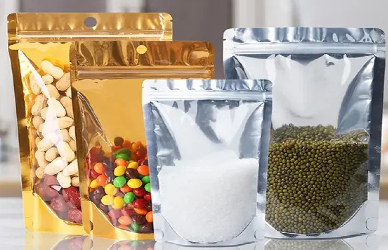
Ease of use is essential for consumer satisfaction, and several features can improve the user experience:
Spouts: Ideal for liquids like juices and sauces, spouts provide easy pouring and prevent spills.
Handles: For bulkier items like pet food or detergents, handles enhance portability and ease of carrying.
Windows: Transparent windows offer visibility, allowing consumers to see the product inside, which is especially useful for snacks and dried fruits.
These features improve both convenience and product appeal.
Stand Up Pouches excel in storage and transport efficiency:
Durability: Flexible, tear-resistant pouches protect products like snacks and cosmetics during shipping.
Space-Efficiency: Their lightweight design allows for compact stacking, reducing storage and shipping costs.
The combination of durability and space-saving design makes Stand Up Pouches an ideal choice for cost-effective distribution.
Selecting a Stand Up Pouch involves balancing cost with essential features. Advanced features like resealable zippers, spouts, and multi-layer laminates may raise production costs but provide added value by improving product protection and consumer convenience. Consider your product’s needs, such as barrier protection or ease of use, and weigh these against your budget to find the most cost-effective solution that meets your requirements.
Sustainability is a key consideration, and there are eco-friendly options for Stand Up Pouches that don't sacrifice functionality:
Recyclable Materials: Mono-material pouches made from polyethylene (PE) or polypropylene (PP) are easier to recycle, reducing environmental impact while maintaining durability.
Biodegradable Films: Compostable pouches made from renewable materials like PLA offer an eco-friendly alternative for food and cosmetic packaging.
Reduced Plastic Usage: Some manufacturers are using thinner materials or fewer layers to reduce plastic use while still ensuring protection and freshness.
By using sustainable materials, Stand Up Pouches can be both cost-effective and environmentally responsible.
Key factors include the type of product, shelf life, required protection from external elements, and customization needs to enhance branding.
Consider the product’s protection needs—plastics like PE, PP, or PET offer different benefits, while laminates and foils provide additional barrier properties.
Yes, Stand Up Pouches are versatile and can be used for food, beverages, cosmetics, personal care, and household products, depending on the material.
Yes, many Stand Up Pouches are now made with recyclable or biodegradable materials, offering a more sustainable packaging solution for environmentally conscious brands.
Choosing the right Stand Up Pouch involves several key considerations, including the product type, shelf life, and protection requirements, as well as the customization features like size, shape, and closures. It’s essential to balance cost with the necessary features, ensuring the pouch not only meets the product's functional needs but also enhances consumer appeal. Additionally, as sustainability becomes a key concern, selecting eco-friendly materials can help align packaging choices with brand values and consumer expectations. Ultimately, the right Stand Up Pouch should provide excellent protection, ease of use, and an attractive design that reflects both the product's needs and the brand's commitment to quality and sustainability.


