


Author: Site Editor Publish Time: 17-08-2026 Origin: Site


Supply chain transit directly impacts your bottom line. Product damage, inflated freight costs, and sustainability penalties often stem from suboptimal material choices. Engineering and procurement teams face a continuous challenge on the warehouse floor. You must balance structural integrity with dimensional weight (DIM) constraints and tightening environmental regulations. Selecting the wrong material inevitably leads to either over-packaging, which wastes capital, or under-packaging, which results in catastrophic product loss during transit.
This guide provides an evidence-based framework for evaluating, comparing, and selecting materials based on payload requirements, transit modes, and overall lifecycle expenditure. By understanding the technical properties of different substrates, logistics professionals can engineer solutions that survive the harsh distribution environment while optimizing freight efficiency. We will break down exactly how to match your payload to the right transit shell.
Material selection must be driven by quantifiable metrics, including Edge Crush Test (ECT) ratings, drop-test performance, and DIM weight calculations, rather than upfront unit cost alone.
Corrugated cardboard remains the industry standard for lightweight, single-use transit, while engineered wood and heavy-duty plastics dominate heavy freight and Returnable Transit Packaging (RTP) loops.
Flexible transport materials (poly mailers, foil-lined envelopes, and bulk bags) are increasingly critical for reducing DIM weight in high-volume e-commerce and bulk commodity shipping.
The effectiveness of the outer transport layer is entirely dependent on the internal protective packaging; the two must be engineered as a cohesive system to mitigate shock and vibration.
Regulatory compliance (e.g., ISPM-15 for wood, extended producer responsibility for plastics) is now a primary filter for international transport packaging selection.
Before evaluating specific materials, supply chain operators must define the operational demands placed on the shipment. A transit shell does not exist in a vacuum. It acts as a functional barrier designed to absorb the specific hazards of a known distribution environment. You cannot select a material without first mapping the physical journey of the product.
The primary function of any transit shell is to maintain its shape under compression. Material strength must align with the product's weight, its inherent fragility, and the stacking configurations used in warehousing. A palletized load double-stacked in a humid distribution center requires vastly different compressive strength than a single parcel moving through a mechanized sorting facility. Engineers must calculate the required safety factor based on the anticipated dwell time in storage and the maximum static load the bottom-tier box will endure.
To accurately determine the structural requirements for a new shipment profile, operations teams should follow a strict evaluation sequence:
Identify the primary packaging fragility limit and load-bearing capacity.
Calculate the maximum static load during warehouse storage, factoring in pallet stacking heights.
Determine the primary transit modality and map the associated mechanical hazards.
Evaluate the ambient temperature and humidity conditions of the routing path.
Assess the end-user disposal capabilities to ensure material compliance.
The outer transit layer must complement the primary packaging. If the primary container is a fragile glass bottle, the outer shell requires high rigidity and substantial shock absorption. Conversely, if the primary packaging is a durable flexible pouch containing dry goods, the outer layer merely needs to provide puncture resistance and unitization. The structural reliance shifts depending on what the inner container can independently withstand. You must view the primary and secondary layers as a single, integrated unit.
Carriers penalize volume. Dimensional weight pricing means that shipping a large, lightweight box often costs the same as shipping a small, heavy one. Material thickness directly impacts the outer dimensions of the parcel. Selecting materials that offer high strength-to-thickness ratios allows shippers to reduce the external footprint. This reduction lowers freight costs across parcel, Less-Than-Truckload (LTL), and Full-Truckload (FTL) networks. Every fraction of an inch saved on the outer dimensions translates to massive freight savings over high volumes.
Material selection is heavily scrutinized through the lens of sustainability and international law. Procurement teams must evaluate end-of-life recyclability, the carbon footprint of material production, and strict shipping mandates. Non-compliance with international standards can result in shipments being quarantined, rejected, or destroyed at customs checkpoints. You must verify that your chosen materials meet the specific import regulations of the destination country.
The mode of transport dictates the specific hazards the material will face. Ocean freight exposes packaging to prolonged high humidity, salt spray, and dynamic compressive forces from vessel pitch and roll. Air freight introduces rapid atmospheric pressure and temperature fluctuations. Over-the-road (OTR) trucking subjects loads to continuous low-frequency vibration and sudden braking impacts. The chosen material must demonstrate resilience against the dominant hazards of its specific routing.
Understanding the physical properties, testing standards, and inherent limitations of core materials is necessary for optimizing the supply chain. Each substrate offers a specific balance of tare weight, rigidity, and structural performance.
Corrugated fiberboard is the undisputed baseline for secondary and tertiary packaging. It is utilized extensively for e-commerce shippers, rigid boxes for premium retail transit, and lightweight palletized loads. Its strength relies on its geometry: a fluted corrugated medium sandwiched between two flat linerboards. The quality of the linerboard, typically graded as kraft (virgin fibers) or testliner (recycled fibers), dictates the overall puncture resistance.
Engineers specify corrugated performance using flute profiles and standardized testing. Flute profiles dictate the board's characteristics. A-flute offers maximum cushioning. B-flute provides excellent crush resistance and a flat surface for printing. C-flute is the industry standard compromise for shipping boxes. E and F flutes are micro-flutes used for primary retail cartons requiring high-resolution graphics.
Performance is measured via two primary metrics. The Mullen Burst Test measures the force required to puncture the face of the board, indicating how well the box will contain heavy, shifting parts. The Edge Crush Test (ECT) measures the top-to-bottom compression strength of the board, which directly correlates to how much weight a box can support when stacked on a pallet. Modern logistics heavily favors ECT-rated boards because warehouse stacking strength is usually the primary failure point.
Despite its versatility, corrugated board has strict limitations. It is highly vulnerable to moisture and high humidity, which plasticizes the paper fibers and can reduce stacking strength by up to fifty percent in a matter of days. Furthermore, corrugated structures experience creep—a gradual degradation of structural integrity over prolonged transit or storage times under continuous load.
Corrugated Flute Profile Specifications
Flute Type | Flutes per Linear Foot | Approximate Thickness | Primary Application |
|---|---|---|---|
A-Flute | 33 | 1/4 inch | Maximum cushioning for fragile items |
B-Flute | 47 | 1/8 inch | Die-cut boxes, canned goods, printing |
C-Flute | 39 | 3/16 inch | Standard shipping cartons, glass packaging |
E-Flute | 90 | 1/16 inch | Retail cartons, cosmetics, micro-packaging |
F-Flute | 125 | 1/32 inch | Fast food clamshells, premium retail |
Flexible materials are rapidly replacing rigid boxes in scenarios where the product does not require structural crush protection. Applications include high-volume e-commerce utilizing poly and kraft envelopes, cold-chain logistics using foil-lined thermal mailers, and dry bulk goods transported in woven polypropylene Flexible Intermediate Bulk Containers (FIBCs).
Technical evaluation of flexible materials focuses on tear resistance, puncture resistance, and barrier properties. Poly mailers made from co-extruded polyethylene offer excellent moisture barriers and tear strength at a fraction of the weight of a corrugated box. Foil-lined mailers reflect radiant heat, providing short-duration thermal regulation for temperature-sensitive goods. For agricultural and bulk commodity transport, the utility of synthetic polymers is often contrasted against natural fibers like jute or cotton, which provide necessary breathability to prevent condensation and mold growth in organic payloads.
The primary limitation of flexible packaging is its zero structural rigidity. It is entirely reliant on the primary packaging or internal protective elements for crush resistance. If a product can be damaged by compression, a flexible mailer is an inappropriate outer shell.
Wood remains essential for heavy machinery, industrial components, high-value fragile goods requiring custom crating, and standard palletization. It provides unparalleled load distribution and rigidity for heavy freight. When dealing with loads exceeding several thousand pounds, wood is often the only viable substrate.
Packaging engineers evaluate raw lumber, plywood, and oriented strand board (OSB) based on the specific load requirements. Raw softwood lumber is typically used for standard pallets and heavy-duty skids. Plywood offers superior shear strength and dimensional stability, making it ideal for fully enclosed export crates that must resist diagonal racking forces during crane lifting. OSB provides a cost-effective alternative to plywood for crate paneling, though it offers slightly lower moisture resistance.
The critical reality of using wood is regulatory compliance. The ISPM-15 standard dictates that all raw wood packaging materials used in international export must be debarked and either heat-treated or fumigated with methyl bromide to prevent the global transmission of wood-boring pests. Treated wood must be stamped with the IPPC mark. Failure to comply guarantees customs rejection at the port of entry.
Plastics are engineered for durability, making them the primary choice for Returnable Transit Packaging (RTP), totes, bins, drums, and stretch films used for pallet stabilization. When a supply chain operates in a closed loop, plastics offer unmatched longevity.
High-Density Polyethylene (HDPE) and Polypropylene (PP) are the dominant polymers. HDPE is favored for its exceptional impact resistance, especially at low temperatures, making it ideal for heavy-duty pallets and drums stored in cold environments. PP offers superior chemical resistance and a higher melting point, suitable for totes that must undergo high-temperature sanitation washes. Emerging bio-plastics, such as Polylactic Acid (PLA) and Polyhydroxyalkanoates (PHA), are being introduced as drop-in replacements for traditional single-use stretch films, offering industrial compostability.
The trade-offs with industrial plastics involve capital allocation. They require high initial tooling and unit costs, which must be offset by a long-term return on investment achieved through hundreds of transit cycles. Additionally, traditional polymers face intense environmental scrutiny, and the recycling infrastructure for recovering heavy industrial plastics remains fragmented.
Metals are reserved for the most demanding distribution environments. You will find them used for hazardous materials (Hazmat), bulk liquids, military logistics, and ultra-heavy industrial transport. They provide an absolute barrier against external elements.
Steel drums are evaluated based on their UN performance ratings for containing specific classes of dangerous goods. They offer absolute barriers against moisture, gases, and light, alongside extreme temperature resistance. Aluminum cases provide a high strength-to-weight ratio and natural corrosion resistance, frequently used for sensitive aerospace or electronic testing equipment. Wire mesh containers are utilized in heavy manufacturing for secure, visible parts routing on the assembly line.
The limitations of metal are its extreme tare weight, which drastically impacts freight costs, and its susceptibility to rust and corrosion if steel components are not properly galvanized or coated.
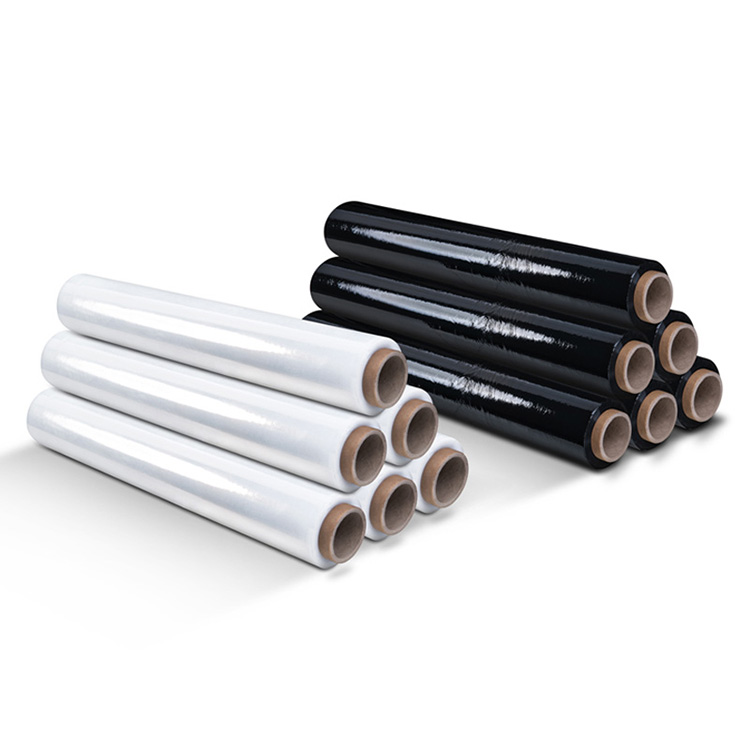
The outer shell cannot function effectively without an engineered internal system. Integrating robust Protective Packaging is mandatory to isolate the payload from the kinetic energy of the supply chain. Without internal dampening, the outer shell simply transfers impact energy directly into the product.
Foams provide shock absorption, vibration dampening, and precise blocking and bracing within the transport shell. The selection criteria depend entirely on the cellular structure of the polymer and the fragility of the payload.
Polyurethane (PU) is an open-cell foam. It is highly compressible, soft, and recovers its shape quickly. This makes PU ideal for lightweight, fragile items because it allows the product to decelerate gently during a drop. Polyethylene (PE) is a closed-cell foam. It is dense, rigid, and highly resistant to moisture and chemicals. PE is specified for heavier items that require multi-impact protection and strict immobilization within the crate.
Air-filled materials serve primarily as void fill to prevent product migration inside the box, and as surface protection against abrasion. They are lightweight and highly effective for parcel shipping.
When evaluating these materials, facility managers must weigh the benefits of on-demand inflation systems against transit risks. On-demand air pillow machines save massive amounts of warehouse space compared to storing pre-inflated bubble rolls. However, air pillows carry a distinct puncture risk. If a single pillow bursts due to atmospheric pressure changes in air freight or a sharp product edge, the entire void fill system fails, allowing the product to move freely and sustain damage.
The push to eliminate single-use plastics has accelerated the adoption of biodegradable and highly recyclable internal protection. Operations are actively seeking materials that match foam performance without the environmental liability.
Engineers are replacing foam with molded pulp, which offers excellent shock absorption for lightweight goods and is universally recyclable. Engineered corrugated inserts—intricately folded structures designed to suspend the product—can match the drop-test performance of EPS foam while utilizing a single-material waste stream. Emerging mycelium packaging, grown from agricultural waste and mushroom roots, provides a direct, compostable alternative to custom-molded styrofoam, meeting stringent drop-test standards without compromising sustainability mandates.
Internal Payload Security Options
Material Category | Primary Function | Shock Absorption Level | Recyclability Profile |
|---|---|---|---|
Polyurethane (PU) Foam | Lightweight cushioning | High (for light items) | Low (specialized facilities only) |
Polyethylene (PE) Foam | Heavy blocking and bracing | High (for heavy items) | Low to Moderate |
Air Pillows | Void fill, migration prevention | Low | Moderate (store drop-off) |
Molded Pulp | End-caps, custom cavities | Moderate | High (curbside recyclable) |
Engineered Corrugated | Suspension, void fill | Moderate to High | High (curbside recyclable) |
Selecting the optimal material requires translating technical features into financial and operational outcomes. Procurement must analyze these trade-offs mathematically to ensure the packaging system supports the broader logistics strategy.
The decision between expendable and returnable systems is a fundamental supply chain pivot. Single-use materials like corrugated board and wood offer low upfront unit costs and require zero reverse logistics. However, they generate high waste and require continuous repurchasing. Plastic and metal RTP systems require high capital expenditure and a managed reverse logistics network to retrieve the empty assets.
To calculate the break-even point in a closed-loop supply chain, divide the total cost of the RTP asset, including the cost of return freight and washing per cycle, by the cost of the single-use alternative it replaces. If the asset survives past that specific cycle count, you achieve a positive return on investment. If the supply chain cannot guarantee asset recovery, RTP becomes a massive financial liability.
Engineers face the continuous challenge of right-sizing. Over-engineering the internal protection increases the external dimensions of the box, which directly increases DIM weight charges and carbon emissions per shipment. Conversely, under-engineering the protection to save on freight spikes the cost of goods sold through unacceptable damage rates and customer returns.
Optimization requires iterative drop testing, such as ISTA 3A protocols, to find the exact threshold where the material thickness is minimized without breaching the product's fragility limit. You must test the packaging to failure to understand its true capabilities.
Packaging must be framed as an insurance policy for the product. Evaluating materials based solely on unit price is a critical error. Teams must calculate the Total Cost of Packaging (TCP).
TCP factors in the material costs, the labor required to assemble and pack, the outbound freight costs, and the statistical probability of product replacement. A cheaper corrugated box might save a fraction of a cent per unit, but if it increases the damage rate on a high-value product, the overall expenditure skyrockets. Investing in a higher-grade material that eliminates damage is mathematically superior in almost every scenario.
Theoretical material performance must survive the friction of real-world commercial operations. Sourcing, storage, and disposal introduce distinct logistical challenges that look very different on a spreadsheet than they do on the loading dock.
Relying on a single-source packaging material exposes the operation to severe volatility. Paper mill capacity fluctuations can cause corrugated shortages, while geopolitical events routinely spike the resin indices used to price plastics and foams. Procurement teams must diversify their packaging Bills of Materials (BOMs), qualifying secondary materials or alternative designs that can be deployed immediately if the primary material becomes unavailable or cost-prohibitive.
The physical footprint of packaging materials prior to use heavily impacts facility overhead. Flat-packed corrugated boxes and uninflated poly mailer rolls require minimal pallet positions. In contrast, rigid plastic totes, steel drums, or pre-assembled wooden crates consume massive amounts of warehouse volume before they ever hold a product. Facility managers must calculate storage costs when comparing rigid versus collapsible material formats.
The operational friction of disposing of mixed-material packaging at the destination is a growing concern. A wooden crate secured with steel banding, lined with PE foam, and wrapped in stretch film requires significant labor to dismantle and segregate into distinct waste streams. End-users despise complex disposal processes.
Furthermore, Extended Producer Responsibility (EPR) laws are forcing manufacturers to account for the lifecycle of their materials. In many jurisdictions, companies are taxed based on the volume and non-recyclability of the packaging they introduce into the market. Selecting single-stream, highly recyclable materials reduces these tax liabilities and simplifies disposal for the end-user.
Conduct a baseline audit of your current damage rates and freight penalties to identify under-performing materials.
Request formal ISTA testing for any new material prototypes before committing to full-scale procurement.
Consult with a certified packaging engineer to optimize your current configurations and eliminate unnecessary void fill.
Diversify your supplier base to protect your operations against regional material shortages and resin price spikes.
A: Steel and heavy-duty High-Density Polyethylene (HDPE) are the most durable materials available. Steel provides unmatched puncture and temperature resistance for hazardous materials. Thick HDPE offers exceptional impact resistance and longevity, making it the standard for returnable transit totes and heavy-duty industrial pallets.
A: Transport Packaging is the rigid or semi-rigid outer shell designed to handle environmental hazards, stacking compression, and logistical stress. Protective packaging is the internal system specifically engineered to mitigate shock, dampen vibration, and immobilize the product within that outer shell.
A: Poly, kraft, or foil envelopes should be used when shipping non-fragile items, such as apparel or soft goods, that do not require structural crush protection. Replacing boxes with flexible mailers drastically reduces dimensional weight, significantly lowering parcel shipping costs and reducing warehouse storage requirements.
A: Glass is strictly considered primary packaging. It holds the product directly but is highly fragile and requires robust secondary transport protection to survive transit. Foil is frequently integrated into transport packaging as a thermal liner in cold-chain logistics to reflect radiant heat and maintain temperature stability.
A: ISPM-15 is an international mandate requiring all raw wood packaging used in export to be debarked and either heat-treated or fumigated. This process prevents the global spread of wood-boring insects and diseases. Compliant wood is stamped with an official IPPC mark to pass customs.
A: The choice depends on the supply chain loop. Plastic is ideal for closed-loop, returnable systems where the high initial cost is recovered over hundreds of uses, prioritizing longevity and moisture resistance. Corrugated board is chosen for open-loop, single-use distribution where low unit cost, lightweight transit, and curbside recyclability are prioritized.


